
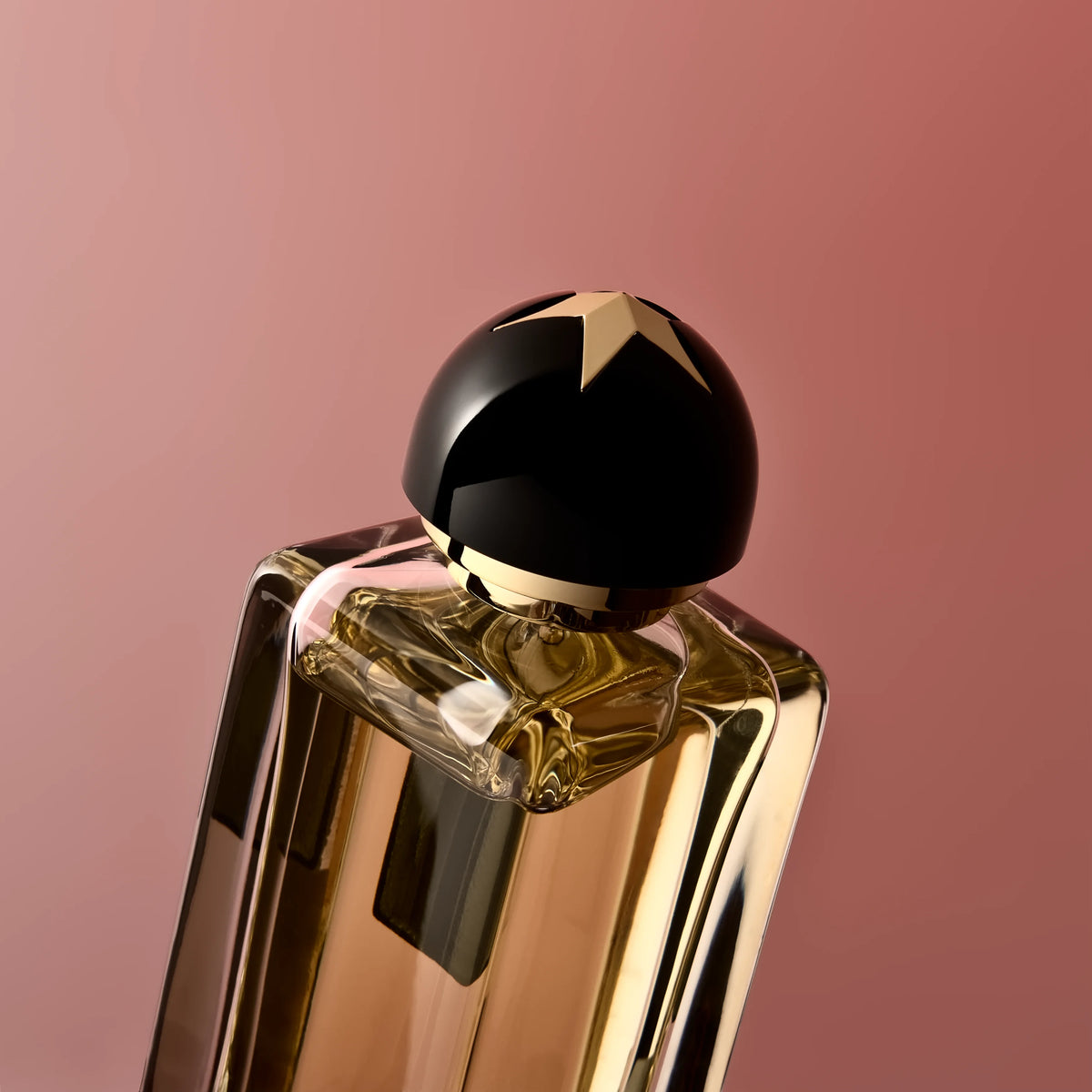
Should You Rub in Cologne? Why Perfumers Say No—and What to Do Instead
Should You Rub in Cologne?
Rubbing cologne into the skin is a common habit that actively damages the fragrance you are trying to wear. You should not rub cologne in. Spray it, place it, and leave it alone. The friction generated by rubbing wrists together creates heat that accelerates the evaporation of top notes, the delicate opening layer of the scent that a perfumer spent considerable effort crafting. Those notes are meant to fade gradually into the heart of the fragrance, not disappear in thirty seconds.
This article covers the full picture of how to wear fragrance correctly: why rubbing is a mistake, what the proper spray technique looks like, where on the body to apply cologne, how many sprays to use, how concentration changes everything, and how to make a scent last longer. By the end, you will have a complete technique, not just a single corrected habit. You will also find answers on common fragrance mistakes that affect how a scent develops on your skin.
---
Why Rubbing Cologne Into Your Wrists Undermines the Scent
Rubbing cologne into your wrists is one of the most widespread mistakes in fragrance, and it costs you the best part of what you applied. The friction breaks molecular bonds in the top notes before they have a chance to settle and transition naturally into the heart of the composition.
To understand why this matters, consider how a fragrance is built. Every well-composed scent unfolds in three layers. Top notes are the first impression: citrus, light herbs, green accords. They evaporate quickly by design, typically within fifteen to thirty minutes, and their job is to introduce the scent. Heart notes follow: florals, spices, the structural core of the fragrance. Base notes arrive last and longest: woods, musks, resins, ambers. These are what remain on your skin hours later.
Rubbing wrists together collapses this sequence. The heat and friction cause the top notes to burn off almost instantly, which means you skip straight to the heart, often missing the most characterful opening moments of the composition. You also physically separate the fragrance molecules from the surface of the skin, which reduces how well they bond.
The common belief that rubbing helps cologne "absorb" or "activate" is a misconception. Fragrance does not need activation. It needs skin contact and time. Longevity depends on more than concentration: the formulation, your skin type, and the conditions you are in all play a role, but rubbing works against every one of them. Spray, then step back and let the scent do what it was designed to do.
---
How to Apply Cologne Correctly: Spray, Place, Leave
The correct technique for applying cologne is straightforward: spray directly onto bare skin at a pulse point, hold the bottle roughly five to eight centimetres away, and do not touch the area afterward. Follow these steps and the fragrance will develop as the perfumer intended.
The correct sequence:- Shower and dry your skin thoroughly. Applying to clean skin gives the fragrance a neutral base.
- Apply an unscented moisturiser if your skin tends to run dry. Hydrated skin holds fragrance significantly better than dry skin.
- Hold the bottle five to eight centimetres from the target area and spray once.
- Choose a pulse point: the inner wrists, the base of the throat, the inside of the elbows, or behind the ears. These areas produce warmth that helps diffuse the scent.
- Walk away. Do not rub, dab, or press the sprayed areas together.
One technique worth correcting is spraying cologne into the air and walking through the mist. This wastes most of what you spray, since the majority of the fragrance falls to the floor or clothing at random. You also lose control over where the scent lands and how strongly it projects.
Clothing versus skin is a genuine choice with real trade-offs. Fabric preserves fragrance longer because it does not metabolise the molecules the way skin does. A scent sprayed on a wool collar can last many hours. The disadvantage is that clothing removes the role of your skin chemistry, which interacts with the composition and makes it your own. How to apply perfume so it actually lasts all day explores this balance in more detail, and applying eau de parfum correctly covers the nuances for higher-concentration formats specifically.
---

Vertigo 236
Vertigo 236 applies perfectly using the spray-and-place technique perfumers recommend.
$125.00 - $195.00
Shop Now →How Many Sprays of Cologne Should You Use?
Two to three sprays is the right starting point for most colognes applied to bare skin. That is enough for the scent to project without overwhelming the people around you. From there, adjust based on concentration, context, and the specific composition.
Lighter concentrations, such as eau de cologne and eau de toilette, tend to project less and fade faster, so three sprays is reasonable. Richer formats, like eau de parfum or extrait, carry more aromatic material per millilitre and can project strongly from a single spray. One or two is often sufficient.
Context shapes the decision as much as the bottle does. For an office environment, err toward restraint: one or two sprays on a pulse point below the collar, where the scent stays close to the body. An evening setting gives you more latitude, where three sprays across wrists and neck works well without being intrusive.
A mistake many people make is adding more sprays when a fragrance smells faint to them. Nose fatigue, not weak projection, is usually the cause. The people around you can almost certainly still smell the scent clearly. Over-applying to compensate is one of the most reliably unpleasant things you can do with cologne. Refer to how many sprays of perfume to wear for a deeper breakdown, and how concentration changes what you wear explains why the format in your hand should guide the amount.
---
How Concentration Affects Application and Longevity
Concentration is the single biggest variable in how a fragrance behaves on skin. Higher concentration means more aromatic material, which translates to stronger projection, longer wear, and fewer sprays required. The table below summarises the approximate relationships.
| Format | Typical Concentration Range | Expected Wear Time | Sprays Suggested |
|---|---|---|---|
| Eau de Cologne (EdC) | 2 to 4% | 2 to 3 hours | 3 to 4 |
| Eau de Toilette (EdT) | 5 to 15% | 3 to 5 hours | 2 to 3 |
| Eau de Parfum (EdP) | 15 to 20% | 5 to 8 hours | 1 to 2 |
| Extrait de Parfum | 20 to 40% | 8 hours or more | 1 |
These ranges are approximations. Skin chemistry, humidity, body temperature, and the specific formulation all affect how a fragrance actually performs. A well-crafted EdT from a house that uses quality raw materials may outlast a poorly constructed EdP. Treat the table as a guide, not a guarantee.
Understanding concentration also gives you an entry point into the 3:1:1 rule for fragrance application, which offers a structured way to think about where and how much to apply relative to the format you are wearing.
---
How to Make Cologne Smell Stronger and Last Longer
The single most effective way to make cologne last longer is to apply it to moisturised skin. Fragrance clings to hydrated skin far better than to dry skin, which lets the top notes evaporate too quickly and leaves the base notes with little to anchor them. Apply an unscented body lotion to pulse points before you spray.
Beyond moisturising, a few other habits make a consistent difference:
Pulse points: Apply to areas where the skin is warm: inner wrists, neck, inner elbows, behind the knees for a lower, longer-lasting trail. Heat diffuses fragrance without the need for rubbing. Storage: Store cologne away from direct light, heat, and humidity. A bathroom cabinet is actually one of the worst places to keep fragrance, since steam and temperature fluctuations degrade the composition over time. A drawer or wardrobe shelf is better. Reapplication: Reapplying during the day is practical and acceptable, particularly with lighter concentrations. A single touch-up spray in the afternoon is enough to revive the scent. Avoid re-spraying on top of the same area repeatedly without allowing the skin to breathe between applications. A practical guide to wearing fragrance covers these habits in more depth. If you are refining your approach through testing, using fragrance samples to refine your technique explains how sampling gives you time to observe how a scent evolves through its dry-down on your specific skin.---

Bohemia 265
Bohemia 265's woody notes develop beautifully when applied correctly without rubbing.
$125.00 - $195.00
Shop Now →Frequently Asked Questions About Cologne Application
These answers address the questions that do not fit neatly into a single technique section but come up consistently for anyone learning to wear fragrance well.
How can you make cologne smell stronger?
Apply to moisturised skin at pulse points, and choose an eau de parfum or extrait if you find lighter formats fade too quickly. Avoid rubbing the applied area, which causes the top notes to burn off and reduces the perceived strength of the scent after the opening.
Should fragrance be sprayed on skin or on clothing?
Both are valid, and each has trade-offs. Skin allows the fragrance to interact with your body chemistry, making the scent personal and dynamic. Clothing preserves longevity because fabric does not metabolise the aromatic molecules the way skin does. Many people use both: skin for the dynamic development, clothing for staying power.
How many sprays of cologne should you apply?
Two to three sprays is a sensible default for most eau de toilette and eau de parfum formats. Richer concentrations like extrait often only need one spray. Context matters: one spray at the office, two or three for an evening out.
How often should you reapply cologne throughout the day?
Once is usually sufficient for most eau de parfum formats. Lighter concentrations may benefit from a single reapplication mid-afternoon. If you are layering fragrances or using a complementary body product, one application is typically enough.
Where on the body should cologne be applied?
Apply to pulse points: inner wrists, the base of the throat, behind the ears, and the inside of the elbows. These areas generate warmth that diffuses the scent naturally. For a subtler trail, the back of the knees works well, particularly for lighter formats. A lighter fragrance format applied to the hair or décolletage can also extend the sillage.
Does cologne type affect how much you should use?
Yes, directly. An extrait at 30% concentration projects significantly more than an eau de toilette at 8%. Use fewer sprays with higher concentrations, and more with lighter ones. Always start with less: you can add, but you cannot take it away once applied.
How long does cologne typically last on the body?
Eau de cologne lasts roughly two to three hours on most skin types. Eau de toilette typically lasts three to five hours. Eau de parfum tends to reach five to eight hours, and extrait can project for eight hours or more. Dry or warm skin, and hot weather, generally reduce longevity across all formats.
Is it harmful to apply cologne directly to skin?
Cologne applied to intact, healthy skin is generally safe for most people. Those with sensitive or reactive skin may experience irritation from certain aromatic compounds, particularly in higher concentrations. If sensitivity is a concern, spraying on clothing is a reasonable alternative, with the understanding that the scent will develop differently than it would on skin.
What is the proper technique for applying cologne spray?
Hold the bottle five to eight centimetres from the skin, spray once onto a pulse point, and leave the area untouched. Do not rub, dab, or press the sprayed areas together. Allow the scent to dry naturally and develop through its own stages.
How does concentration level impact application amount?
Higher concentration means more aromatic material per millilitre, which produces stronger projection from fewer sprays. An extrait generally requires one spray where an eau de toilette might call for two or three to achieve comparable presence. Start with fewer sprays than you think you need, then assess after the dry-down.
---
The Right Technique Is Simple, and It Changes Everything
Not rubbing cologne into your skin is not a small adjustment; it is the difference between wearing a fragrance and wearing a truncated version of it. The technique itself is minimal: spray onto a pulse point, hold the bottle at an appropriate distance, and step away. Everything else follows from that restraint.
Good application technique matters most when the fragrance itself is worth experiencing fully. A thoughtfully composed scent, built by a perfumer working with quality materials, is designed to unfold across time. The top notes open, the heart develops, the base settles. Rubbing collapses that sequence. Correct technique honours it.
If you are working on building your fragrance knowledge alongside your technique, understanding what sets a niche fragrance apart is a useful next step. And if you are still in the process of finding the scent that suits you, sampling before committing is always the right approach. The Maison Noir Discovery Set offers a way to explore several compositions on your own skin, at your own pace, before choosing where to begin.
Read more
A cologne sample is a small, trial-sized quantity of a fragrance, typically 1–2 ml, intended for on-skin evaluation before purchasing a full bottle.
Olfactory adaptation is the process by which your nose stops registering a constant stimulus, including the scent you are wearing, usually within thirty...