How to Use Fragrance Samples to Find Your Perfect Scent
How to Use Fragrance Samples to Find Your Perfect Scent
A fragrance sample is a small, trial-sized quantity of a perfume, typically between 1 ml and 2 ml, that lets you wear and evaluate a scent on your own skin before committing to a full bottle. Used well, samples are the most reliable method for finding your scent.
A composition that smells extraordinary on a paper strip or on someone else will read entirely differently on your skin. Skin chemistry, body temperature, and even diet shape how a fragrance develops over hours. A sample worn across a full day tells you what no counter experience can: does this scent feel like you? The sections below give you a systematic method for choosing, wearing, and evaluating fragrance samples so that every bottle you eventually buy is one you are certain about.
Why Testing Fragrance Samples Before Buying Matters
Skin testing is irreplaceable because fragrance is not static. A scent tried on a strip, or even briefly on your wrist at a counter, is only the opening chapter. The full story takes hours to tell.
Every fragrance moves through three broad layers. Top notes arrive immediately, built from light, volatile molecules: citrus, green accords, bright spice. They last roughly fifteen to thirty minutes before softening. Heart notes carry the true personality of the composition and may stay prominent for one to three hours. Base notes, often woods, musks, and resins, develop last and linger the longest, sometimes for the remainder of the day.
Skin chemistry shapes every stage. Your skin's pH, moisture level, and natural oils interact with the formula, bending certain notes forward and softening others. A composition that reads as brisk and fresh on one person can settle into something warmer and more resinous on another. This is not a flaw. It is how fine fragrance works.
Fragrance concentration is a related variable that samples help you assess. An Eau de Parfum carries more aromatic material than an Eau de Toilette, so the same accord will project differently and last longer. A sample lets you experience that reality before purchase.
There is also a practical argument: olfactory fatigue. Smelling six or eight fragrances in a single department store visit numbs your nose progressively. Samples let you space evaluations across days, so each one gets a fair hearing.
How to Choose Which Fragrance Samples to Try
The most effective way to choose which fragrance samples to request or purchase is to filter by fragrance family first, then narrow to two or three specific compositions.
Sampling without a filter leads to fatigue and inconclusive results. If you know you are drawn to warm, woody scents, there is little value in spending a week on bright aquatics. Fragrance notes work as a practical vocabulary here: once you understand what amber, vetiver, or bergamot contribute to a composition, you can read a note list and form a reasonable prediction before the sample even arrives.
Understanding how fragrance families differ sharpens that filter further. The broad families, such as woody, floral, citrus, and oriental, behave very differently on skin. Knowing which family consistently appeals to you cuts the candidate list considerably.
A curated Discovery Set addresses exactly this challenge. Rather than asking you to navigate an entire collection blind, it gathers representative samples into a single parcel so you can compare within a coherent aesthetic. Maison Noir's numbered fragrance system adds a second layer of navigation: each fragrance carries a number whose digits correspond to its dominant character on the house fragrance wheel. Bohemia 265 signals freshness, florals, and woody depth. Icarus 347 points toward tonka, forbidden fruit, and patchouli. You can read the numbers before the sample arrives and form a considered shortlist rather than a random one.
Keep your active testing window to two or three samples at most. Testing more simultaneously makes comparative evaluation unreliable. Rotate them on different days rather than wearing them in the same session.

Vertigo 236 Sample
Start your fragrance journey with Vertigo 236 Sample, a versatile citrus and woody blend that clarifies how aromatic accords develop on skin.
$8.00
Shop Now →How to Apply a Fragrance Sample Correctly
Apply a fragrance sample to clean, unscented skin on a pulse point, allow the mist or dab to settle without rubbing, and then wait. That waiting is not passive; it is the evaluation itself beginning.
Follow these steps for a consistent, accurate test:
Choose a pulse point. The inner wrist, the inside of the elbow, and the base of the neck are the most useful. These areas emit heat, which accelerates evaporation and projects the fragrance. For a full-wear test, the inner elbow is practical because it is less likely to be washed mid-day. Apply without rubbing. Rubbing generates friction heat and breaks down the top notes prematurely, compressing the arc you are trying to observe. Dab or mist, then let the skin absorb naturally. Give it time before forming an opinion. The first five minutes are dominated by the top notes and the alcohol carrier, which can distort the overall impression. Reserve judgment until at least twenty to thirty minutes in. Apply to bare skin, not over other products. Scented lotions or body washes introduce competing molecules. If you want to understand how to wear fragrance accurately, start with a neutral, unscented base.The physiology behind this is straightforward. Skin warmth converts the liquid formula into vapour, and that vapour carries the aromatic compounds into the air around you. Drier skin tends to absorb fragrance faster and project it closer to the body. Better-hydrated skin holds the molecules longer and diffuses them more evenly.
Application technique is not gendered. These principles apply to any skin, any person, any fragrance.
How to Evaluate a Fragrance Sample Over Time
A single wearing is not enough. Evaluate each sample across at least two separate days before forming a conclusion.
The first wearing often carries the noise of novelty: the fragrance is unfamiliar, your attention is heightened, and you may be tracking it self-consciously. The second wearing is where real clarity emerges. You notice whether you reached for it easily, whether it suited the context you were in, and whether it felt natural rather than performed.
On each wear, ask yourself three questions at three different points in the day:
At thirty minutes: Do the opening notes feel like a direction you want to continue? At two to three hours: Does the heart, the character at the composition's core, feel aligned with your taste? At the end of the day: How do you feel about the dry-down? Does the base suit you, or has it shifted into something less comfortable?Skin affinity is a real variable. Some compositions feel easy on certain skin types and effortful on others. The dry-down on your skin is the only data point that matters; the dry-down on a colleague's skin is irrelevant to your decision.
A sample journal is useful here, even a brief one. After each wear, write down the time of application, the conditions (season, temperature, activity), and a word or two about each phase. Over several samples, patterns emerge. You will notice which note families consistently satisfy you and which fade into something you do not enjoy.
How fragrance concentration affects longevity is worth tracking in your notes too. If a sample fades within two hours, the concentration and your skin's interaction may both be factors. Trying the same composition in a different concentration, if one is available, can clarify which is at work.
Olfactory adaptation is the one thing your journal cannot fully capture: once a fragrance is on your skin for a few hours, you will smell it less acutely than those around you do. This is normal and does not mean the fragrance has faded. When in doubt, a second opinion from someone nearby is more reliable than your own nose at that stage.
Reading Fragrance Notes: A Quick Reference for Sample Testers
Fragrance notes tell you, in structural terms, what a composition contains and when you will encounter each element. Understanding the three tiers helps you interpret what you are smelling during a sample evaluation.
| Note Tier | When You Smell It | Typical Duration | What It Signals |
|---|---|---|---|
| Top | Immediately on application | 15 to 30 minutes | First impression; lightest, most volatile molecules |
| Heart | After top notes soften | 1 to 3 hours | Core character and personality of the fragrance |
| Base | As heart fades, deep into wear | Several hours to all day | Lasting impression; warmth, depth, and dry-down skin-feel |
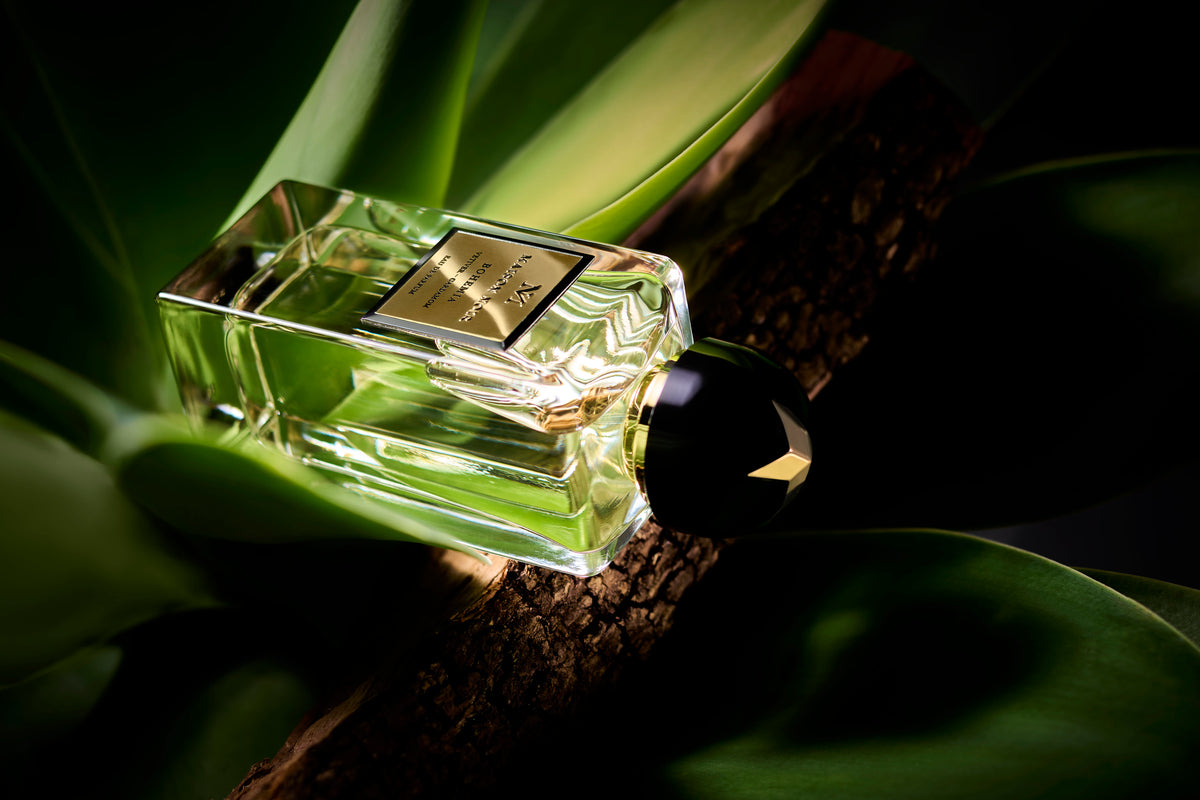
The table becomes practical when you apply it to a specific composition. Bohemia 265 opens with fresh bergamot and aromatic cardamom, its top notes. As those settle, woody depth emerges in the heart. The foundation is built on subtle amber vetiver, a base note that grounds the composition and determines how Bohemia 265 wears late in the day. Knowing this structure before you apply the sample means you are not surprised when the bergamot fades; you are waiting for what comes next.
This is how fragrance families and accords give you a genuine reading advantage. A note list is not just a list of ingredients; it is a map of the scent through time.
Icarus 967 Extrait Sample
For a deeper evaluation experience, try Icarus 967 Extrait Sample with its higher concentration. It clarifies how the same core composition behaves at different strength levels.
$10.00
Shop Now →From Samples to Shortlist: Making Your Final Decision
Move from samples to a shortlist by identifying which fragrances you reached for consistently, then testing each finalist against the occasions and seasons you actually dress for.
Consistent reach is the clearest signal. If a sample sat on your shelf untouched for ten days, that is a verdict. If you found yourself applying it on a second and third consecutive day, that is worth noting. Desire is its own data.
Once you have two or three finalists, run each through an occasion context check. Think through the settings where you want a signature scent: daily wear, professional environments, evenings out, quieter private moments. A fragrance that works beautifully for a slow weekend morning may feel too quiet for a room you want to enter with some presence.
The final check is presence and awareness. After a full day in a fragrance, do you remain glad you are wearing it? Does it feel like an expression of something, or does it feel incidental? The fragrances that pass that test without effort are the ones worth the full bottle.
There is no urgency here. A considered decision is the point.
Quandoley 805 Sample
Once you have narrowed your preferences, Quandoley 805 Sample offers a bold spicy and ambery profile to round out your shortlist with distinctive character.
$8.00
Shop Now →Frequently Asked Questions About Fragrance Samples
How many fragrance samples should I test at once?
Two to three samples at a time is the practical ceiling for meaningful evaluation. Testing more in parallel makes it difficult to assign clear impressions to individual compositions, and olfactory fatigue accumulates quickly when you switch between scents within the same session.
How long should I wear a fragrance sample before deciding?
Wear each sample for a full day, minimum, and ideally across two separate days before forming a conclusion. The first thirty minutes show you only the top notes. The dry-down, which develops over several hours, is where the fragrance reveals its true character on your skin.
Can I layer fragrance samples?
You can, but it is not advisable during the evaluation phase. Layering introduces a new variable: the interaction between two compositions. If you are trying to understand how each sample performs on its own, wear them separately on different days. Once you have decided on a fragrance you love, layering becomes a worthwhile creative practice.
Do fragrance samples expire?
Fragrance is sensitive to light, heat, and air exposure. Small samples, particularly those in open vials or rollerball formats that have been used several times, are more vulnerable to oxidation than sealed bottles. Store them in a cool, dark place and use them within a few months of opening. Properly stored, most fine fragrance formulas remain stable far longer than people expect.
Are fragrance samples the same concentration as the full bottle?
Generally, yes. When a sample is taken directly from the production batch, it matches the concentration of the full bottle it represents, whether Eau de Parfum, Eau de Toilette, or Extrait. However, some brands offer samples at a different concentration for cost or format reasons. If concentration matters to your decision, confirm the sample specification before drawing conclusions about longevity.
What if I love a sample but the full bottle smells different?
This is rare when both are the same concentration and production batch. More commonly, the difference lies in application method (sample sprayer versus bottle atomizer), storage conditions, or variations in how much time has passed since production. If you are concerned, request a sample of the same batch as the full bottle before committing, or purchase from a retailer with a straightforward return policy.
Should I test samples in the same season I plan to wear them?
Seasonality matters. A fragrance that feels perfect in winter, when skin is drier and you are dressed in heavier layers, may feel cloying in summer heat. If possible, test samples in the season you plan to wear them. If that is not possible, at minimum wear each sample across varying temperatures and activity levels to understand how it behaves under different conditions.
Your Next Step in Fragrance Discovery
The purpose of fragrance samples is not economy. It is certainty. By working through them methodically, you arrive at a bottle you chose with knowledge rather than hope.
Three principles carry the whole process. First, wear each sample to its dry-down; top notes are not the fragrance. Second, evaluate across at least two wears and different conditions before deciding. Third, use fragrance families and note structures to filter your shortlist before you begin, so you are comparing compositions that are genuinely relevant to your taste.
Think of the Maison Noir collection as a townhouse with numbered doors, each one opening onto a distinct olfactive world. You do not need to open every door. You need to find the ones that feel like yours.
The considered starting point is the Discovery Set, which brings the collection to you in sample form, ready to be worn, evaluated, and compared until you know.