
Perfume for Women: How to Move Past the Display Counter and Shop with Confidence
Perfume for Women: How to Move Past the Display Counter and Shop with Confidence
Start With the Notes, Not the Counter
Perfume for women is any fragrance marketed toward a female audience, though that label describes a sales category rather than a composition standard. If you have ever stood at a department store counter, overwhelmed by rows of identically shaped bottles while a sales assistant moved too quickly through spritzed paper strips, this guide is for you.
The most efficient way to choose a fragrance you will actually wear is to start with the note families: identify whether you gravitate toward florals, woody accords, warm ambers, or clean aromatic freshness, then let concentration and season narrow the field. That order of operations removes most confusion before you even lift a bottle.
This article covers why the "women's perfume" category is a marketing convention, how fragrance families work, what concentration levels actually change, how to read a note pyramid, and where to start your search whether your budget is modest or open. For a broader framework, the broader guide to finding your scent offers a useful foundation before you commit to any bottle.
Why "Perfume for Women" Is a Marketing Category, Not a Composition Rule
The category called "women's perfume" is a retail convention, not a statement about how a fragrance is built. Perfumers compose with molecules, naturals, and accords; none of those materials carry a gender. The floral heart in a bottle labelled for women and the floral heart in a bottle shelved under "unisex" may be structurally identical. What differs is the packaging design, the advertising imagery, and the price positioning.
This distinction expands your options considerably. Many of the most nuanced, lasting florals and ambers appear under unisex or even masculine labels. Limiting your search to the women's aisle means you may miss them entirely.
Niche fragrance houses have largely moved away from gendered collections. What distinguishes a niche fragrance house from a designer counter is partly this: niche perfumers compose for the nose first, leaving the marketing team with less to categorise. If you want to understand why this shift has gathered momentum, why unisex fragrance has become central to niche perfumery explains the trajectory clearly.
The practical takeaway: search by family, not by the label on the bottle. You will find more options and spend less time in the wrong aisle.
Fragrance Families: The Fastest Way to Know What You Like
Knowing which fragrance family appeals to you cuts the field from hundreds of options to a manageable shortlist. Families describe the dominant character of a scent, and once you identify yours, every subsequent choice becomes easier.
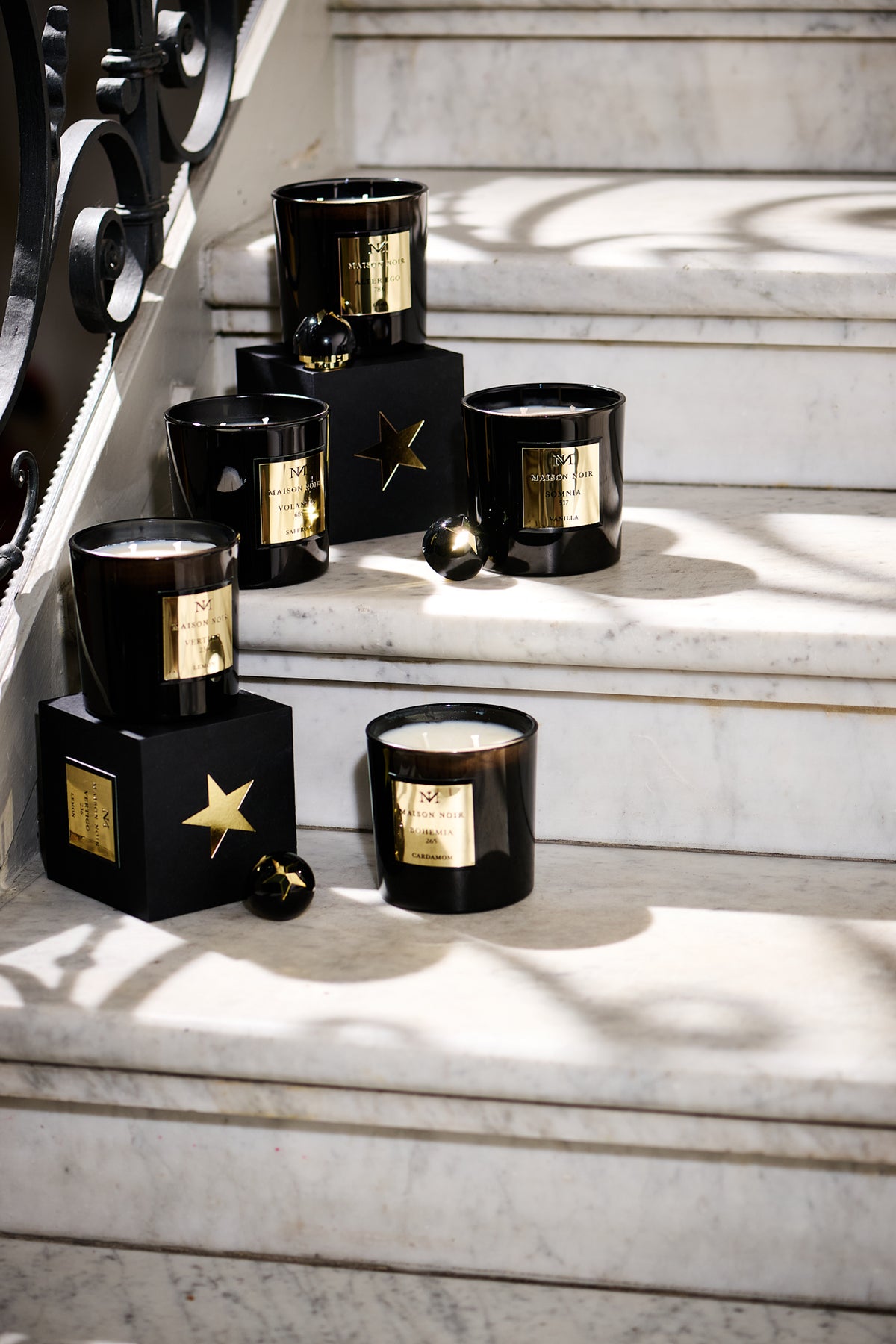
Floral. The broadest and most varied family. Floral perfumes for women range from single-note rose soliflores, refined and powdery, to lush bouquets layered over musk or woody bases. They suit daytime wear, spring and early summer, and almost any social setting. Romantic evenings, office environments, and casual weekend wear all have natural floral options. If this family interests you, a closer look at floral, fruity, and gourmand compositions gives detailed guidance on what separates a sheer floral from a heavier one. Woody and Earthy. Sandalwood, vetiver, cedarwood, and patchouli anchor this family. The mood is grounded and warm, often with a quiet authority that suits cooler months and evening wear particularly well. Woody compositions can read as assertive or contemplative depending on their supporting notes. Oriental and Amber. Warm resins, vanilla, labdanum, and spice define this family. These are heavier, sillage-forward fragrances that project well and last long. They tend toward evenings and autumn or winter wear. Oud sits within this family, though it deserves its own section below. Fresh and Aromatic. Citrus, green notes, aquatic accords, and herbs build this family. The overall effect is clean and energetic. These compositions work well in warmer months, active daytime contexts, and office environments where projection should stay restrained.At Maison Noir, each fragrance carries a number that encodes its dominant note families on a shared fragrance wheel, giving you a visual and numerical shorthand before you even read the description. It is a practical tool for navigating a collection without relying on marketing copy.

Discovery Set & Gift Card Bundle (CHF)
Explore fragrance families risk-free with curated discovery sets and bonus credit.
$150.00 - $230.00
Shop Now →Eau de Parfum vs. Eau de Toilette: What Concentration Actually Changes
Concentration determines how much aromatic material a formula contains relative to its alcohol and water base, and that ratio directly affects how a fragrance projects, diffuses, and fades on skin. Knowing this prevents a common mistake: assuming higher concentration is always better.
Industry norms, not regulated standards, place eau de toilette (EDT) typically between 5 and 15 percent aromatic concentration, and eau de parfum (EDP) between 15 and 20 percent, though these ranges vary by house and are not legally fixed. Parfum or extrait sits above 20 percent. For a detailed breakdown of what the concentration difference actually changes in wear, see what the concentration difference actually changes in wear.
EDTs generally project for three to five hours before fading noticeably. EDPs tend to last six to eight hours on most skin types, though this varies with skin chemistry, humidity, and how the fragrance is applied.
Women eau de parfum is a popular choice precisely because the balance between sillage and longevity suits varied occasions well. But a well-formulated EDT can outperform a poorly blended EDP, so concentration is a guide, not a hierarchy. How to apply perfume so it lasts as long as possible covers the application techniques that have the greatest practical effect on longevity.
The mistake to avoid: chasing the highest concentration regardless of formula. A thin or unbalanced composition remains thin at extrait strength. Quality of materials matters more than the number on the label.
Choosing by Family, Concentration, and Season: A Quick Reference
If you want to narrow a fragrance choice quickly, cross-referencing family, concentration, and season is the most reliable method. The table below gives you a working framework.
| Fragrance Family | Typical Mood | Best Concentration | Season | Occasion Example |
|---|---|---|---|---|
| Floral | Romantic, soft, fresh | EDT or EDP | Spring, Summer | Daytime events, gifting |
| Woody / Earthy | Grounded, warm, quiet | EDP or Extrait | Autumn, Winter | Evening, cooler days |
| Oriental / Amber | Rich, sensual, enveloping | EDP or Extrait | Autumn, Winter | Dinner, evening events |
| Fresh / Aromatic | Clean, energetic, light | EDT | Spring, Summer | Office, active days |
For autumn specifically, the woody and oriental families reward attention. Cooler air slows the diffusion of volatile top notes, which means richer base materials have time to develop and project without overwhelming. How to choose scents that work with autumn gives a more textured account of how temperature and humidity shift what a fragrance does on skin.
On cost: niche fragrances often carry a higher upfront price than designer mass-market options. However, the concentration and material quality typically mean you use less per application, and the longevity extends across more wears. For seasonal and occasion pairings across the full year, occasion and season fragrance guidance across the year is a useful reference to return to.
What Makes a Perfume Smell Appealing: Reading the Note Pyramid
A perfume smells appealing when its components unfold in a coherent, pleasing sequence on your skin, and that sequence is structured by what perfumers call the note pyramid. Understanding this structure changes how you test and choose.
Top notes are what you smell in the first five to fifteen minutes after application. They are typically bright and volatile: citrus, light aldehydes, green herbs. They create the first impression but are not the fragrance's character. Heart notes emerge as the top fades, usually between fifteen minutes and two hours after application. These are the fragrance's identity: florals, spice, green woods, aromatic herbs. When someone says a scent reminds them of jasmine or roses, they are describing the heart. Base notes anchor the composition and appear from roughly one hour onward, becoming the dominant impression by mid-afternoon. Musks, resins, vetiver, sandalwood, and vanilla live here.This structure explains why testing on a blotter strip misleads you. A blotter gives you top notes and little else. The only way to know how a fragrance wears is to apply it to skin and return after an hour. Skin chemistry and pH genuinely alter how a composition develops: the same formula can smell warmer, sharper, or softer depending on who wears it. How to use fragrance samples to find your perfect scent explains how to structure that testing process without spending money on full bottles first.

RosaEterna 163
RosaEterna 163 layers floral, clean, and woody notes for sophisticated complexity.
$125.00 - $195.00
Shop Now →Designer Counters vs. Niche Houses: Where to Start Your Search
The practical difference between a designer fragrance counter and a niche house is not price alone: it is the intended audience and the creative brief behind each composition. Designer houses, including names like Chanel, Dior, Valentino, Versace, and Burberry, compose for broad market reach. Their fragrances are often well-crafted, but the brief prioritises wearability across the widest possible audience.
Niche houses compose for a smaller, more deliberate audience. The creative constraints are narrower, which often allows for more unusual material choices, less linear compositions, and a stronger point of view. Finding the best niche fragrance for women means accepting that the discovery process takes longer but tends to produce something genuinely distinctive.
On cost: the objection that luxury fragrance is too expensive deserves taking seriously. Designer fragrance at a department store counter spans a wide range. Niche fragrance tends to sit at the higher end of that range. Quality materials cost more to source, and smaller production runs do not benefit from the same economies of scale as mass-market launches.
That said, many niche houses offer sample-first purchase paths precisely because they understand the barrier. Spending a modest amount on a sample set before committing to a full bottle is a rational approach to a significant purchase. What makes a niche fragrance house different explains what the structural differences actually are, so you can judge whether the distinction is meaningful for your preferences.
Oud, Gourmand, and Other Families That Surprise First-Time Buyers
Some fragrance families are unfamiliar to first-time buyers, and the surprise can go either way: immediate resonance or bewildering intensity. Knowing what to expect prevents you from dismissing a family too quickly or committing to something that does not suit you.
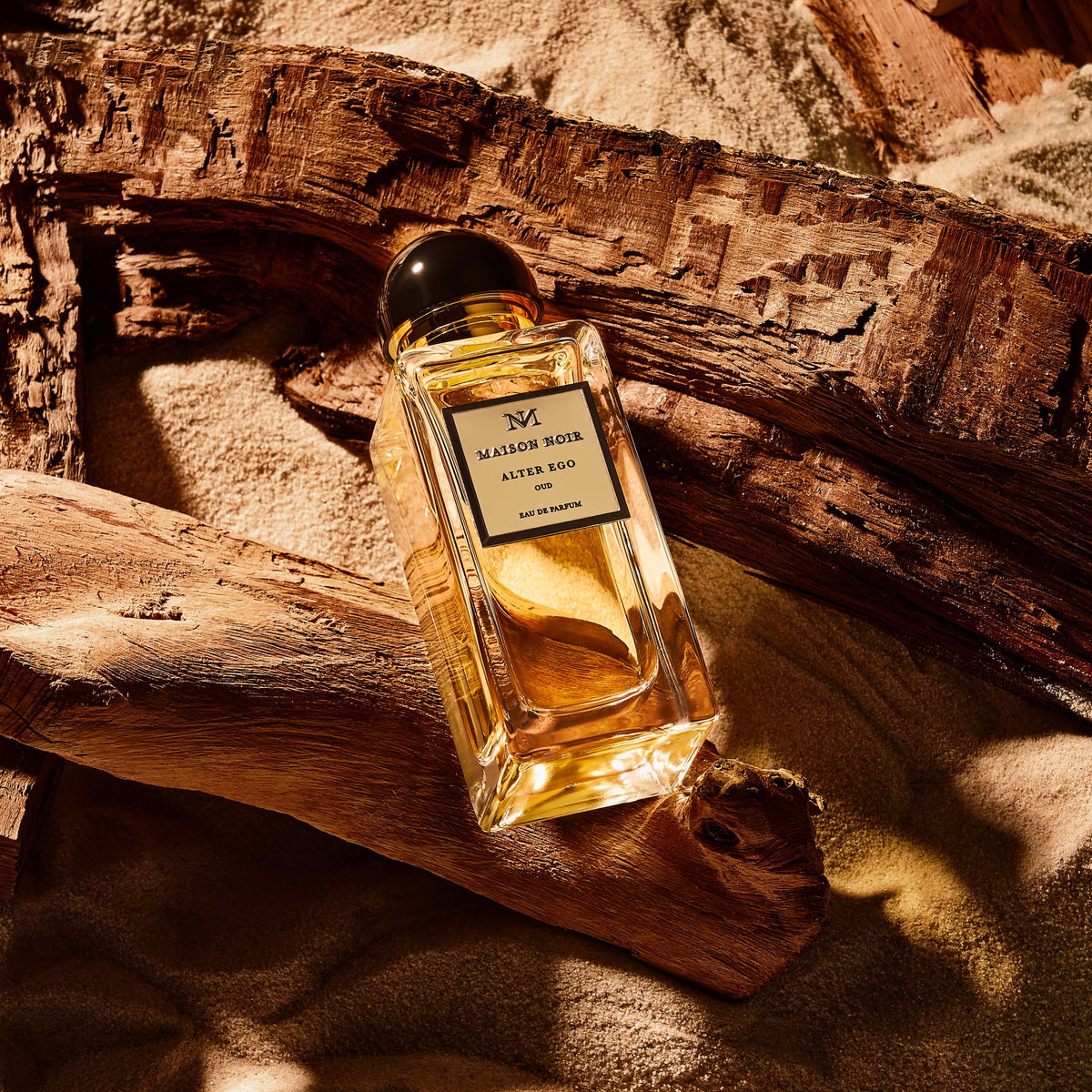
Oud is a resinous, smoky, often deeply woody material derived from agarwood. Many buyers wonder whether women's oud and unisex oud differ in any meaningful way. The short answer: not in the material itself. Oud is inherently rich and straddling. What differs between compositions marketed to different audiences is what surrounds the oud. A women's-labelled oud fragrance may pair the material with rose or florals, while a unisex version might let the resin sit with vetiver or incense. The real difference between oud perfume and cologne gives a clear breakdown. For the historical and cultural context behind this ingredient, the ancient tradition behind Arabic perfume is worth reading. Gourmand fragrances layer edible or dessert-like notes: vanilla, caramel, tonka, almond. They can read as playful or deeply sensual depending on the weight of the base. They surprise buyers who expect scent to smell "like perfume" rather than food.Both families reward sampling before purchase. Their intensity can be polarising until you know how they settle on your skin.
Layering: How to Build a Scent That Is Entirely Yours
Layering means wearing two or more fragrances simultaneously to create a combination that neither bottle produces alone. Done well, it gives you a scent that is specific to you and to that moment. Done carelessly, it produces a confused, headache-inducing muddle.
The basic logic is straightforward: apply the richer, heavier fragrance first and let it settle for a few minutes, then layer the lighter one over the top. The base of the first fragrance acts as an anchor; the top notes of the second add freshness without overriding it.
Some combinations work intuitively: a clean musk under a floral, a woody base beneath a citrus. Others clash. Two heavy orientals on top of each other tend to compete rather than complement, and two aquatics can cancel each other into a generic clean impression. The only way to know is to test on skin.
You will also want to consider longevity balance: a short-lived EDT layered over an EDP may disappear entirely within the first hour, leaving only the base fragrance. How to experiment with fragrance layering without getting it wrong covers the practical rules and the common mistakes in detail.

Collector's Luxury Case
Store your signature scents beautifully in a luxury case designed for collectors.
$75.00
Shop Now →Where to Find and Buy Women's Perfume: A Practical Overview
You can find women's perfume in department stores, specialty beauty retailers, brand boutiques, and online directly from the house. Each channel has different trade-offs in terms of testing access, price, and selection.
For in-person discovery, department store counters (where retailers like Ulta stock broad designer selections) give you immediate access to blotters and sometimes skin testing. The limitation is that counter staff are often incentivised toward specific brands, and the testing environment, dense with competing sprays, makes accurate assessment difficult.
For fragrances under thirty dollars, mass-market retailers and drugstores carry options, though at that price point you are generally working with lighter concentrations and simpler compositions. That is not inherently a problem: a well-formulated EDT at a modest price can be genuinely pleasant. It is honest to say, however, that niche and fine fragrance typically begins above that threshold.
Gift sets are a common way to approach a first purchase, particularly around the holiday season. Many houses bundle a full bottle with a travel size, which gives you flexibility without extra cost. For niche houses, discovery or sample sets are an alternative worth considering before committing. Using samples strategically before buying a full bottle explains how to get the most from that process, and how gift sets work in niche fragrance buying covers the gift occasion context in detail.
Frequently Asked Questions About Perfume for Women
Which perfumes rank among the most popular for women?Consistently popular choices across designer houses include offerings from Chanel, Dior, Valentino, Versace, and Burberry, all of which maintain strong recognition and broad availability. Popularity reflects marketing reach and accessibility as much as quality, so popular and best for you may not be the same thing.
What fragrance qualities make a perfume smell appealing?A perfume smells appealing when its notes unfold in a coherent sequence on your skin, with a balance between projection and restraint that suits the occasion. Skin chemistry plays a significant role: the same formula can smell very different on two people, which is why on-skin testing matters more than counter impressions.
How long do women's perfumes typically last on skin?Eau de toilette formulas typically project for three to five hours; eau de parfum tends to last six to eight hours on most skin types. Variables including skin dryness, heat, and application technique all affect longevity meaningfully.
What are the differences between women's oud and unisex oud fragrances?The oud material itself is the same. The difference lies in what accompanies it: women's-labelled oud compositions often pair the resin with rose, florals, or lighter musks, while unisex formulas may lean into incense, vetiver, or bare wood. The distinction is compositional, not inherent to the ingredient.
Which perfumes work best for autumn season?Woody, amber, and oriental families tend to suit autumn best. Cooler air slows the evaporation of top notes, allowing richer base materials to project more fully. Look for compositions built around sandalwood, vetiver, warm spice, or resinous accords.
Where can someone buy women's perfume locally?Department stores, specialty beauty retailers, and some boutique perfumeries carry a broad selection for in-person testing. Mass-market retailers and drugstores stock accessible price points. For niche fragrances, the house's own website or authorised boutiques are typically the most reliable source.
What women's perfumes cost under thirty dollars?Mass-market and some designer body sprays fall within this range, available at drugstores and large beauty retailers. Fine and niche fragrances generally begin above this price point due to the cost of quality materials and smaller production volumes.
Moving Past the Counter: Choosing Perfume on Your Own Terms
Choosing perfume on your own terms means starting with what you know about yourself: the moods and occasions you dress a scent for, the families that resonate when you smell them, and the concentration that fits your lifestyle. That process is learnable and repeatable, and it removes the counter overwhelm entirely.
The note pyramid, the family categories, and the concentration guide in this article give you the working vocabulary to navigate any collection, designer or niche, without relying on a sales pitch. Sample before you commit. Test on skin rather than on paper. Give a fragrance the hour it needs to settle before you decide.
For a full framework on narrowing your choices, the full guide to finding your scent builds on everything covered here.
To begin with something tangible, explore the Discovery Set and wear several compositions on skin before deciding which door you want to open.
Read more
Niche fragrances live by a different standard than the mainstream. They're composed by independent houses with master perfumers, built around creative...

Discover what the 7 basic smells are, how Amoore's theory explains olfactory classification, and what this science means for choosing and understanding fragrance.