

Eau De Parfum Perfumes: Understanding the Concentration That Dominates Fine Fragrance
Eau De Parfum Perfumes: Understanding the Concentration That Dominates Fine Fragrance
Eau de parfum typically contains 15 to 20 percent aromatic concentrate dissolved in alcohol. It sits between eau de toilette and parfum in the fragrance hierarchy, and for most people, it is the most practical choice: strong enough to last six to eight hours, refined enough for both formal occasions and daily wear. Yet concentration alone does not determine longevity. Skin chemistry, base note composition, and the quality of raw materials all shape how a scent actually performs on you.
If you are new to fragrance, the fragrance education guide covers the full landscape from families to application. For a complete breakdown of every concentration tier, the five fragrance concentrations explained provides the technical detail. This article focuses on EDP: what it is, how long it lasts, how it compares to alternatives, and what actually determines whether a bottle earns its place on your shelf.
Fine fragrance interest peaks in December. If you are considering a purchase or a gift this season, understanding what you are buying matters far more than any marketing claim.
What Does Eau De Parfum Mean?
The phrase is French: "eau" means water, "de" means of, and "parfum" means perfume or scent. Practically speaking, eau de parfum is a perfume oil diluted primarily in alcohol, with the oil concentration falling within the 15 to 20 percent band as a general industry standard. Some houses formulate slightly higher or lower while still labelling the product EDP, so treat these figures as a reliable guide rather than an absolute rule.
Eau de parfum is popular precisely because it balances longevity with wearability. You get real presence without the intensity of a parfum or extrait, and you get reliable wear time without the brevity of eau de toilette.
How Long Does Eau De Parfum Last on Skin?
Most EDP formulations last six to eight hours on skin. That figure comes with an important caveat: concentration sets a ceiling for longevity, but it does not guarantee it.
Projection, how far the scent radiates from your skin into the air around you, is separate from longevity. An EDP with a sharp citrus opening may project boldly in the first hour, then settle into a quieter skin-close trail for the remaining hours. That is not failure. It is a composition unfolding as the perfumer intended.
The most common misconception about EDP longevity is that concentration alone determines how long a fragrance lasts. It does not. A light, citrus-forward EDP with minimal base notes may fade faster than a mid-range EDT built around dense woods or musks. Base note ingredients, particularly resins, ambers, musks, and woods, are what anchor a composition to skin over time. Concentration gives them a vehicle; the ingredients themselves do the lasting.
Ingredient quality compounds this further. A well-sourced vetiver or high-grade ambroxan will perform differently from a synthetic substitute, even at identical concentration levels. For a sensory breakdown of how EDP actually feels as it dries down, what eau de parfum feels like on skin is worth understanding before you buy.
How Does Eau De Parfum Compare to Eau De Toilette and Parfum?
Eau de parfum is stronger than eau de toilette and lighter than parfum. EDP sits in the middle of the conventional fragrance concentration hierarchy, offering more presence and longevity than EDT without the intensity and skin-close character of a parfum or extrait.
The table below gives a practical reference for all major concentration tiers:
| Concentration | Typical % Range | Expected Longevity | Projection | Best Use Case |
|---|---|---|---|---|
| Parfum / Extrait | 20-40% | 10-12+ hours | Skin-close, intimate | Special occasions, evenings, cold climates |
| Eau de Parfum (EDP) | 15-20% | 6-8 hours | Moderate, noticeable trail | Everyday wear, work, social occasions |
| Eau de Toilette (EDT) | 8-15% | 3-5 hours | Brighter, more diffuse | Warm weather, daytime, lighter preference |
| Eau de Cologne (EDC) | 2-4% | 2-3 hours | Fresh, immediate | Post-sport, casual, summer heat |
| Eau Fraîche | 1-3% | 1-2 hours | Very light | Refreshing spritz, layering base |
The EDP-to-parfum step is often misunderstood. Parfum does not simply smell "more" of the same fragrance. Its higher oil content and reduced alcohol mean the composition opens more slowly, sits closer to the skin, and develops differently through its phases. Many wearers find parfum more intimate but less projecting, which is not what everyone wants.
The mistake many shoppers make with EDT is assuming it is simply a weaker version of an EDP of the same name. Some houses reformulate for each concentration, adjusting the note balance rather than just diluting. The EDT of a given scent can legitimately smell different from its EDP, not just quieter.
For a thorough comparison of EDP versus EDT and what the concentration actually changes, eau de parfum vs. eau de toilette addresses reformulation and projection in detail.
What Actually Determines How Long Eau De Parfum Lasts on Your Skin?
Concentration sets the ceiling for longevity, but four other variables often matter more than the percentage on the bottle: skin chemistry, base note composition, skin hydration, and application technique. Understanding these helps you get real performance from any EDP.
Skin chemistry is the most personal variable and the least controllable. Dry skin tends to absorb fragrance faster, shortening the wear time. Oily skin holds aromatic molecules longer, which is why the same EDP can last four hours on one person and nine on another. This is not a flaw in the fragrance. It is biology. Base note composition determines whether a fragrance has anything to anchor it long-term. Woods, resins, musks, ambers, and ingredients like vetiver or tonka bean are dense molecules that bind to skin and release slowly over hours. A composition heavy in top-note citrus with a thin base will fade earlier than its EDP concentration suggests. Conversely, an EDP rich in oud, sandalwood, or labdanum may outlast its stated longevity considerably. Moisturised skin holds fragrance longer. Applying an unscented lotion or body oil to pulse points before spraying gives the aromatic molecules something to adhere to rather than evaporating off dry surface skin. Many wearers find this single step extends wear time noticeably without changing the composition itself. Pulse points (wrists, inner elbows, neck, behind the knees) are ideal application spots because body heat activates fragrance molecules continuously. Spray at a distance of around ten to fifteen centimetres to allow the mist to settle rather than concentrate.Do not rub fragrance into skin after spraying. Rubbing breaks down the top notes before they can develop naturally. The perfumer designed the opening for a reason. For a detailed explanation, why perfumers advise against rubbing fragrance covers the chemistry.
On the niche-versus-designer question: the objection that niche perfumes charge for prestige rather than performance has some merit. But ingredient quality is a real, structural variable. Access to higher-grade naturals and fewer reformulation pressures often translate into better performance on skin. What separates fine fragrance from a commodity scent explains the differences in construction.
How Should Eau De Parfum Be Applied to Get the Best Results?
Apply eau de parfum to clean, moisturised skin at pulse points, holding the nozzle ten to fifteen centimetres from the skin, using two to four sprays depending on the composition's strength. Do not rub the fragrance in. That covers the essentials. The details below help you get consistent results.
Spray distance matters. Too close and the fragrance concentrates in one spot; too far and much of it disperses into the air before reaching skin. Roughly the width of an open hand is a reliable guide. Two to four sprays is a reasonable starting point for most EDP formulations. A heavier, resinous composition (oud, amber, woods) may need only two. A lighter, citrus-forward EDP may benefit from three or four. Begin conservatively in unfamiliar territory: you can always add, never subtract. Pulse points: wrists, inner wrists, neck, inner elbows, and behind the knees are all effective. The neck and chest project most into social situations; the wrists are what you encounter throughout the day. Skin versus fabric: EDP applied to fabric often lasts longer than on skin, but can stain lighter materials and may not develop through the same drying phases. On skin is the technically correct application for most compositions. On layering: a matching or complementary body lotion as a base layer extends longevity without creating conflict between competing scents. Keep it unscented or in the same fragrance family.One common confusion: oud is not a concentration type. It is a base note ingredient, a resinous wood derived from agarwood, found in many EDP, EDT, and parfum formulations. Comparing "oud versus EDP" is a category error, like asking whether oak is stronger than a full glass of whisky. For clarity on this, the real difference between oud perfume and cologne separates the ingredient from the concentration question.
Before committing to a full bottle, how to use fragrance samples to explore before committing outlines a structured approach to testing.

Alter Ego 786
Apply Alter Ego 786 to pulse points for optimal Eau De Parfum longevity.
$125.00 - $195.00
Shop Now →Are Niche Eau De Parfum Perfumes Worth the Higher Price?
Niche eau de parfum perfumes often cost more than designer or commercial fragrances. The difference is partly justified by ingredient quality and construction. The objection that some premium pricing reflects brand positioning rather than formulation cost has genuine merit. The honest answer depends on the house.
The cost argument for niche fragrance rests on structure. Mass-market houses face intense reformulation pressure as ingredient costs rise and regulatory constraints shift. Niche houses, producing in smaller volumes and selling fewer units, often retain access to higher-grade raw materials and are less compelled to substitute cheaper synthetics. The olfactive difference this creates is real, though not universal. Some niche labels charge a premium primarily for exclusivity and packaging.
The practical resolution is sampling before spending. Spending a significant sum on a bottle you have only encountered as a brief spray on paper is a wager, not a considered choice. Many wearers find that their relationship with a fragrance changes significantly between a first encounter and three or four wears across different occasions and seasons.
If you are exploring niche EDP for the first time, explore the Maison Noir Discovery Set. It is a structured way to wear, test, and understand a fragrance before committing to a full bottle.
For a broader view of what distinguishes a niche house from a commercial brand structurally, what makes a niche fragrance house different from a commercial brand addresses the full picture. And why unisex composition is central to fine perfumery explores how that dimension of construction affects the range of wearers a single bottle suits.
How to Choose an Eau De Parfum That Suits You
Choosing an EDP that suits you involves four variables: fragrance family, occasion, season, and your skin chemistry. Narrowing each one before you shop makes the process considerably more productive than starting from an undefined preference.
Fragrance family is the most useful starting point. Broad categories, floral, woody, oriental, fresh, chypre, fougere, give you a rough filter. If powdery florals consistently feel heavy on you, knowing this in advance narrows the field. If dense woods suit your skin and lifestyle, that becomes your anchor. Occasion shapes the appropriate projection and character. A quiet, skin-close wood or musk suits an enclosed workspace; a bright citrus or green composition works in open-air settings. Neither is objectively better; fit to context matters. Season affects how fragrance behaves in the air. Heat accelerates projection, which is why heavy resins and musks can become overwhelming in summer. Ozonic, aquatic, and citrus compositions tend to feel appropriate in warmth. Richer, denser EDP formulations earn their space in autumn and winter. Skin chemistry is where theory meets reality. A fragrance that reads as bright and green on paper may open differently on your skin. This is not unpredictable; it is personal, and sampling is the only reliable way to find out. How to match fragrance to occasion and season provides structured guidance on these choices. For a more considered approach to building a fragrance wardrobe over time, a structured approach to finding your signature scent moves through the same variables methodically.The Maison Noir Fragrance Finder is also useful here: each scent in the collection carries a number that maps its dominant notes on the house fragrance wheel, so you can orient by note family before you sample.

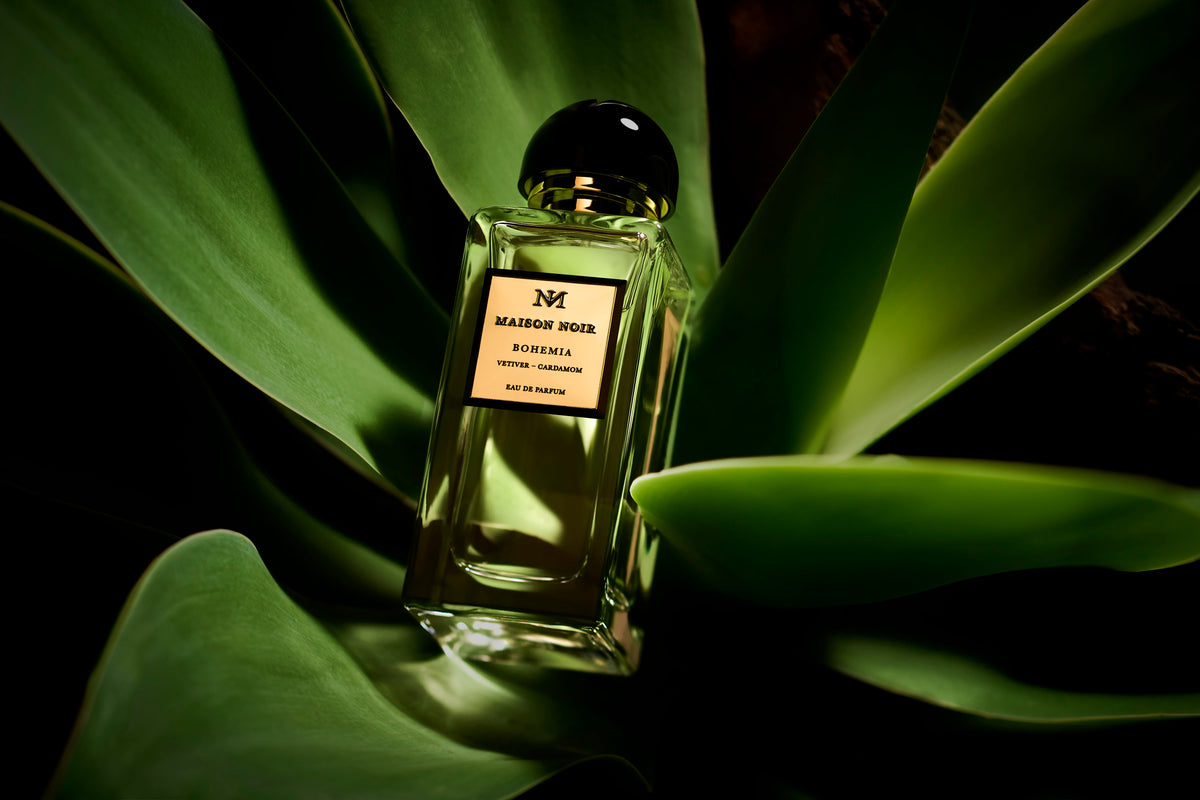
Bohemia 265
Bohemia 265's citrus and woody notes exemplify classic Eau De Parfum profiles.
$125.00 - $195.00
Shop Now →Frequently Asked Questions About Eau De Parfum
1. What does eau de parfum mean and how long does it last?Eau de parfum is French for "perfume water," referring to a fragrance formulation containing typically 15 to 20 percent aromatic concentrate dissolved in alcohol. On most wearers, an EDP lasts six to eight hours, though base note composition and skin chemistry can extend or shorten that range considerably.
2. How does eau de parfum compare in strength to eau de toilette?Eau de parfum is stronger than eau de toilette in concentration, longevity, and typically projection. EDT usually contains 8 to 15 percent aromatic concentrate and lasts three to five hours; EDP runs 15 to 20 percent and lasts six to eight. For the full EDP versus EDT comparison, the differences in character and reformulation are worth reading before you decide.
3. What is the difference between parfum and eau de parfum?Parfum, also called extrait de parfum, contains 20 to 40 percent aromatic concentrate, compared to EDP's 15 to 20 percent. Parfum sits closer to the skin, projects less, and can last well beyond ten hours. It is not simply a stronger version of EDP; the reduced alcohol content changes how the composition opens and develops through its phases.
4. How do concentration levels differ between eau de toilette and parfum?EDT typically contains 8 to 15 percent aromatic concentrate; EDP 15 to 20 percent; parfum 20 to 40 percent. Each step up in concentration generally brings longer longevity and slower development, but projection does not simply scale with concentration. Parfum is often more intimate and skin-close than EDP, not louder.
5. How should eau de parfum be applied or used?Spray two to four times onto clean, moisturised pulse points (wrists, neck, inner elbows) from a distance of ten to fifteen centimetres. Do not rub the fragrance in after spraying, as this disrupts the top notes. Moisturised skin holds fragrance longer than dry skin, so an unscented lotion applied beforehand is a simple way to extend wear time.
6. Are niche perfumes worth the higher price compared to designer fragrances?For some houses, the premium reflects genuine differences in ingredient quality, formulation depth, and the absence of reformulation pressure from mass-market economics. For others, the price reflects brand positioning rather than formulation cost. Sampling before committing is the most practical resolution; a Discovery Set allows you to wear and assess before spending on a full bottle.
7. What is the difference between oud and eau de parfum?Oud is a base note ingredient, a resinous wood derived from agarwood, not a concentration category. It can appear in EDT, EDP, parfum, or any other concentration. Comparing oud to EDP as equivalent product types is a category error; they describe entirely different things about a fragrance.
8. Which floral perfumes have a fresh scent rather than a powdery one?Fresh florals tend to be built on lighter materials: white florals such as plumeria or clean rose rather than iris or heliotrope, often paired with citrus or green notes to maintain airiness. The drydown of the base is what most often tips a floral into powdery territory, so look for compositions with a woody or musk base rather than a heavy amber or vanilla foundation.
Understanding Eau De Parfum: The Takeaway
Eau de parfum is the concentration that suits most fragrance wearers most of the time. It is strong enough to last the day and flexible enough for the range of occasions between a morning commute and an evening out.
Three things matter most. First, concentration sets the ceiling but does not determine longevity alone. Base notes, skin chemistry, and formulation quality all shape how long an EDP actually lasts on your skin. Second, EDP, EDT, and parfum are not simply different volumes of the same scent; they can differ in character, development, and projection, and sometimes in the composition itself. Third, the only reliable way to know whether a fragrance suits you is to wear it, across time and occasions, before committing to a full bottle.
For a selection worth exploring, a curated selection of niche fragrances worth discovering this season is a useful starting point. If you want to understand the broader context before you shop, the full fragrance education guide covers the territory thoroughly.
The considered approach is to explore the Discovery Set. Fragrance discovery, done at this pace, is rarely a wasted step.
Read more
A perfume sample is a small quantity of a fragrance, typically 1 to 2 ml, that lets you wear and evaluate a scent across its full development before...
A niche fragrance comes from an independent house that prioritises creative expression and selective distribution over mass-market volume.