

How to Choose Between Parfum and Eau De Parfum for Winter: When Concentration Really Matters
How to Choose Between Parfum and Eau De Parfum for Winter: When Concentration Really Matters
Parfum is the most concentrated form of fragrance available, typically containing 20-40% aromatic compounds suspended in alcohol. If you're deciding between parfum and eau de parfum for winter, that difference in concentration is exactly what should guide your choice. Cold air slows the diffusion of fragrance molecules, meaning lighter concentrations can disappear within hours in low temperatures. Parfum lingers. Eau de parfum, sitting at 15-20% concentration, is a strong second choice and suits most occasions. Knowing which to reach for will save you from over-applying, under-performing, and spending money on the wrong bottle.
This guide walks you through the full concentration ladder, the science of cold-weather wear, application technique, and what niche parfum formulations offer that mass-market bottles often do not. By the end, you will be equipped to make a genuinely informed choice for the season ahead.
---
What Does Parfum Actually Mean?
Parfum refers to the highest concentration tier in the fragrance hierarchy. It contains the greatest proportion of aromatic compounds relative to alcohol and water, which is why it lasts longest and projects most richly. The word itself comes from the Latin "per fumum," meaning "through smoke." In modern usage, it carries a precise meaning: the strongest category of wearable scent.
The concentration ladder, from strongest to lightest, runs like this:
- Parfum (Extrait de Parfum): 20-40% aromatic compounds
- Eau de Parfum (EDP): 15-20%
- Eau de Toilette (EDT): 5-15%
- Eau de Cologne (EDC): 2-4%
- Eau Fraîche: 1-3%
One common misconception: many people believe eau de toilette is stronger than eau de parfum. It is not. EDT sits below EDP in every measure of concentration and longevity. The word "toilette" carries no strength signal; it simply denotes a lighter dilution.
There is one additional use of the word "parfum" worth knowing. On an INCI ingredient list (the standard cosmetic ingredient declaration), "parfum" or "fragrance" appears as a catch-all term for any blend of aromatic molecules in a product. This is a regulatory labelling convention, completely separate from the concentration tier. If you see "parfum" listed on the back of a lotion or soap, it tells you the product contains a scent compound. It says nothing about concentration or quality.
For a broader sense of what niche houses prioritise differently from designer brands, context helps: concentration is one factor among several, including raw material quality and formula complexity.
---
How Parfum and Eau De Parfum Differ in Concentration and Wear
The practical difference between parfum and eau de parfum comes down to how much aromatic material sits on your skin and for how long it stays active. Parfum, with its higher oil content, releases more slowly and more continuously. Eau de parfum opens brighter and more immediately but begins to thin out after several hours.
Here is a clear comparison across the main concentration tiers:
| Concentration | Fragrance Oil % | Typical Longevity | Sillage | Best For |
|---|---|---|---|---|
| Parfum (Extrait) | 20-40% | 8-12+ hours | Close to moderate | Long days, cold weather, formal occasions |
| Eau de Parfum | 15-20% | 5-8 hours | Moderate | Everyday wear, office, social occasions |
| Eau de Toilette | 5-15% | 3-5 hours | Light to moderate | Casual wear, warmer weather |
| Eau de Cologne | 2-4% | 2-3 hours | Light | Warm weather, post-sport, light refresh |
What higher oil content means in practice: aromatic compounds bind more readily to your skin's natural oils, which slows evaporation and extends the period of detectable scent. An EDT at the same application quantity will feel more immediate, perhaps more vibrant at first spray, but noticeably thinner by mid-afternoon. A parfum of the same fragrance will be quieter at the outset and then hold its shape through the day.
One misconception worth addressing: concentration has no relationship to gender. Parfum is not "for women." Eau de toilette is not "for men." These are performance categories, not demographic ones. Many of the most celebrated contemporary parfum formulations are unisex, and why concentration is not a gender signal is fundamental to understanding the category. If you want to explore long-lasting EDP options, the same framework applies regardless of who is wearing them.
---
Why Fragrance Concentration Matters More in Winter
Cold weather fundamentally changes how fragrance diffuses, which makes concentration a more consequential choice in winter than at any other time of year. In warm temperatures, your skin radiates heat, which accelerates the evaporation of aromatic molecules and projects scent outward. In cold air, that process slows considerably. A fragrance that performs beautifully in September may feel muted and short-lived by December.
This physics works in parfum's favour. Because it contains a higher density of aromatic compounds, it has more material to release slowly over time. The cold does not eliminate that material; it just slows the release rate. For a parfum, that means a steadier, longer-lasting trace of scent close to the skin. For an EDT, the same cold air can suppress the projection to near-nothing within an hour or two.
Specific fragrance families benefit especially from parfum concentration in winter:
- Amber and resinous accords (like the oud-and-smoke profile of Alter Ego 786) grow denser and more rewarding at parfum concentration in cool air
- Vetiver-based compositions (such as the woody-amber depth of Bohemia 265) hold their earthy tension better when oil content is high
- Tonka and gourmand structures (evident in the tonka and ambroxan heart of Icarus 347) become rounder and more enveloping rather than flat
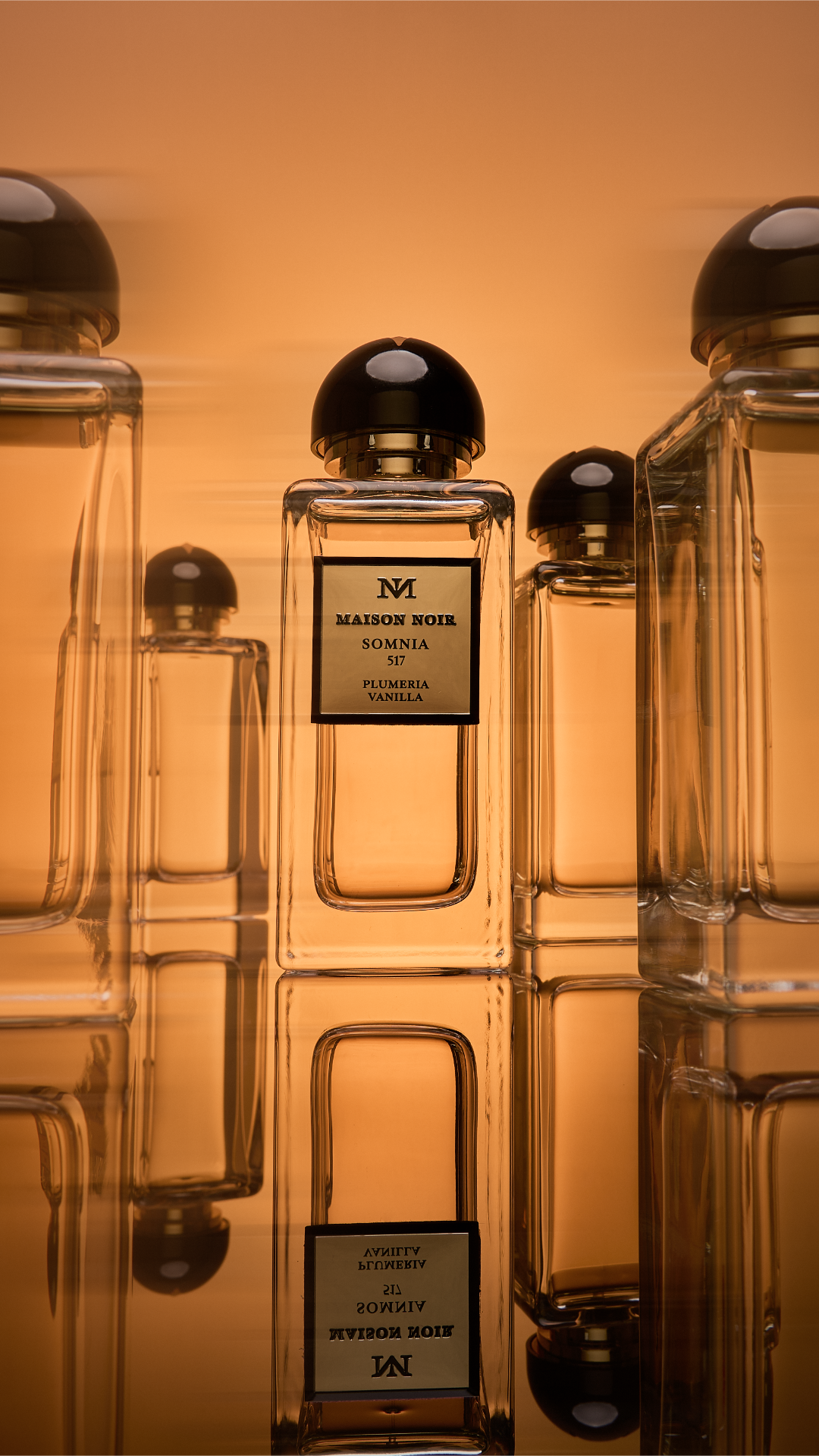
- Cistus and labdanum accords (present in Somnia 517) reward the slower, deeper release that parfum provides
Layering offers a practical alternative when you want to stay with an EDP rather than move to parfum. Applying a neutral, complementary body product before your EDP can extend its wear and add a soft base, particularly useful in dry winter air that otherwise shortens longevity. For niche fragrances suited to cold-weather wear, family matters as much as concentration. And for a focused look at how oud performs across concentration tiers, the difference becomes especially apparent in winter conditions.
---

Alter Ego 786
Alter Ego 786's rich woody and spicy notes perfect winter's deeper fragrance needs.
$125.00 - $195.00
Shop Now →How to Apply Parfum and Eau De Parfum for Maximum Longevity
Application technique shapes how long your fragrance lasts almost as much as concentration does. The right number of sprays and the right placement turn a good fragrance into one that works all day.
For eau de parfum, two to three sprays is a reasonable starting point. For parfum, one to two sprays is typically enough. The higher oil content means each spray carries more aromatic material, so more is rarely better and can quickly become overwhelming in an enclosed space.
Pulse points are the standard advice, and they are standard for a reason. Areas where blood vessels run close to the skin generate warmth, which aids diffusion. The inner wrists, the base of the throat, behind the ears, and the inner elbows are all effective placement points. In winter, the throat and chest are particularly useful because they sit inside your collar, where warmth is retained even in cold air.
One technique to avoid: rubbing your wrists together after application. The friction generates brief heat, which does encourage an initial burst of top notes, but it also crushes the delicate molecular structure of those notes and shortens the overall arc of the fragrance. Spray and let it settle. For the reasoning behind this, why perfumers say not to rub fragrance into the skin is worth reading in full.
In winter specifically, consider applying fragrance to skin rather than to outer layers of heavy fabric. Wool and thick synthetics can hold scent, but they also suppress the interplay between your skin chemistry and the fragrance, which is where the composition comes alive. Apply to your pulse points first, then dress.
As for skin irritation, quality parfum formulations are rarely a problem for most people. The higher concentration of alcohol in lighter formulations can sometimes be more drying. That said, patch-testing on the inside of your elbow before wearing a new parfum directly on sensitive skin is always sensible. Reactions are uncommon but individual skin chemistry varies.
---

Bohemia 265
Bohemia 265 layers beautifully with proper application for lasting winter warmth.
$125.00 - $195.00
Shop Now →What Makes Niche Parfum Different from Mass-Market Concentration
A niche parfum at 25% concentration and a mass-market parfum at 25% concentration share a label but rarely share a character. The difference lies in the quality and cost of the aromatic materials used to fill that concentration.
Mass-market formulations at high concentration often rely on synthetic molecules chosen partly for price efficiency at scale. That is not a criticism of synthetics: many are exceptional materials used by master perfumers worldwide. The issue is that when cost is the primary constraint, the aromatic richness that high concentration promises on the label may not fully materialise on skin.
Niche houses operate with a different set of priorities. The investment is in ingredient quality and formula complexity, with concentration as a tool to serve the composition rather than a marketing claim. When a niche parfum sits at 20-25% aromatic material, the depth that percentage implies tends to be audible in the drydown: more facets, more evolution over hours, more of what makes a fragrance interesting past the first spray.
This is the more useful frame for the reader who asks about alternatives: not which brand to substitute, but what the niche category as a whole offers that mass-market concentration rarely delivers. What defines a niche fragrance house starts with this commitment to materials and craft.
Maison Noir is a useful illustration. Icarus 347 and its extrait expression Icarus 967 Extrait begin from the same tonka, ambroxan, and forbidden-fruit structure, but the extrait's higher concentration reveals additional facets in the base that simply are not perceptible at the EDP level. Somnia 517, with its vanilla and cistus foundation, tells a similarly different story at different concentrations. The Discovery Set is a genuinely practical way to compare these expressions on your own skin before committing to a full bottle. For guidance on how to explore niche fragrances through sample sets, that approach applies across the category.
---
Frequently Asked Questions
The questions below cover the most common points of confusion about parfum, eau de parfum, and how to choose between them.
What does the term parfum mean?Parfum is the highest concentration tier in fragrance, containing 20-40% aromatic compounds. It delivers the longest wear and most sustained sillage of any wearable fragrance format. On an INCI ingredient list, "parfum" also appears as a regulatory catch-all for any aromatic compound, which is a separate use of the same word.
How does parfum differ from eau de parfum?Parfum contains 20-40% aromatic oil; eau de parfum contains 15-20%. In practice, parfum lasts noticeably longer, often 8-12 hours or more, while EDP typically delivers 5-8 hours of wear. Parfum also tends to stay closer to the skin, while EDP projects slightly more initially.
Is eau de toilette or parfum stronger?Parfum is significantly stronger than eau de toilette. EDT typically contains 5-15% aromatic compounds versus parfum's 20-40%. EDT also wears for roughly 3-5 hours, compared to parfum's 8-12 hours or more.
How does eau de parfum compare in strength to eau de toilette?Eau de parfum is stronger than eau de toilette. EDP sits at 15-20% aromatic concentration while EDT sits at 5-15%. EDP will last several hours longer on skin and project more consistently through the day.
What is eau de parfum and how long does it last?Eau de parfum is a fragrance concentration containing approximately 15-20% aromatic compounds, making it the second-strongest standard tier after parfum. On most skin types, it lasts between 5 and 8 hours, depending on skin chemistry, the specific formula, and environmental conditions such as temperature and humidity.
How should eau de parfum be applied?Apply EDP to pulse points: the inner wrists, base of the throat, behind the ears, and inner elbows. Two to three sprays is a reasonable quantity. Do not rub the application points together; allow the fragrance to settle and develop naturally on the skin.
How many sprays of eau de parfum are appropriate per use?Two to three sprays of EDP is the standard recommendation. For parfum, one to two sprays is sufficient given the higher aromatic concentration. More than this in either case risks overwhelming those nearby, particularly in enclosed spaces.
How do EDT and parfum differ in scent concentration and wear time?EDT contains 5-15% aromatic compounds and typically lasts 3-5 hours. Parfum contains 20-40% and typically lasts 8-12 hours or more. The higher oil content in parfum binds more readily to skin, slowing evaporation and extending the perceptible trace of scent considerably.
Is parfum suitable for skin, or does it cause irritation?Parfum is suitable for most skin types. Reactions are uncommon with quality formulations. If your skin is sensitive, patch-test a new parfum on the inside of your elbow and wait 24 hours before broader application. The higher alcohol content in lighter concentrations can sometimes be more drying than parfum itself.
Is parfum marketed for men, women, or both?Parfum, as a concentration tier, carries no gender association. It is available in masculine, feminine, and unisex formulations. Concentration is a performance specification. Many of the most critically regarded contemporary parfums, including across the niche category, are composed as unisex. For a broader perspective on why fine perfumery is moving toward unisex formulation, the direction of the category makes this clear.
---
Choosing the Right Concentration for Winter: A Clear Decision
For winter wear, parfum is the stronger performer. Cold air suppresses diffusion, and the higher aromatic content in parfum gives it the material to release steadily through that suppression. Eau de parfum remains a sound choice, particularly for daytime or office wear where full projection would be excessive.
Concentration is a performance tool, not a marker of sophistication or status. The right choice is simply the one that suits the occasion, the temperature, and the fragrance family you are drawn to.
If you are ready to find your own answer through direct experience, explore the Discovery Set and test the collection on your own skin before committing to a full bottle. For further guidance on making that process worthwhile, how to use fragrance samples to find the right concentration is a practical next step.
Read more
Learn what luxury perfume house gifts are and discover five niche fragrances worth giving this winter. Find the perfect scent for your recipient.

A fragrance accord is a blend of two or more scent materials that merge into a single, unified impression distinct from any of its individual components.