

What Education Do You Need to Become a Perfumer? Formal Training, Self-Study, and the Reality of the Craft
What Education Do You Need to Become a Perfumer? Formal Training, Self-Study, and the Reality of the Craft
A perfumer is a trained creative professional who formulates fragrances from raw aromatic materials, working at the intersection of chemistry, sensory memory, and artistic intent.
If you're asking what education you need to be a perfumer, the honest answer is: there is no single required path. Three main routes lead to the profession. The first is formal perfumery school, typically a two-to-five-year programme taught by working perfumers. The second is a chemistry or cosmetic science degree, which provides the technical foundation that many commercial houses value. The third is structured self-study, an increasingly viable but demanding route that requires deliberate practice and genuine access to materials. Most working perfumers combine elements of all three.
Understanding what a perfumer actually studies sharpens the way you read a composition, recognise how structure works, and understand why a given scent behaves the way it does on skin. Understanding fragrance at a deeper level starts with knowing what goes into the craft. The same curiosity that draws a student to a perfumery bench draws a thoughtful wearer toward what makes a fine fragrance worth returning to.
Formal Perfumery Schools: What They Teach and How Long They Take
Formal perfumery training typically lasts between two and five years, depending on the institution and the depth of the programme. Most programmes combine raw material study, formulation practice, and olfactory training with business or regulatory context. This is the route with the clearest structure and the most direct professional recognition.
The most cited institution in fine fragrance is ISIPCA (Institut Supérieur International du Parfum, de la Cosmétique et de l'Arômatique Alimentaire) in Versailles, France. ISIPCA offers programmes ranging from technical certificates to bachelor and master-level qualifications. Students work through a systematic study of raw materials, both natural and synthetic, and spend considerable time training their olfactory memory, learning to identify hundreds of individual ingredients by smell alone.
The Grasse Institute of Perfumery, based in the town historically regarded as the birthplace of modern perfumery, offers short intensive programmes as well as longer residential courses. Institut Supérieur du Parfum in Paris is another French option with a strong industry reputation. Outside France, Cinquième Sens in Paris offers both professional and consumer courses, and Nottingham Trent University in the UK offers a BSc in Chemistry with Perfumery Science.
What do students actually study day-to-day?
Expect structured work across several disciplines:
- Raw material identification: learning natural extracts, synthetic molecules, and their olfactory characteristics
- Formulation: constructing accords and full compositions from scratch
- Perfumery families and structures: how oriental, floral, woody, and citrus compositions are built
- Regulatory compliance, particularly IFRA (International Fragrance Association) guidelines
- Brief creation and client communication: translating a concept into a formula
The pace is demanding. Olfactory memory is a skill that builds slowly and requires consistent repetition, not unlike learning a musical instrument.
How independent fragrance houses evaluate creative talent differs substantially from how commodity fragrance businesses assess applicants. Understanding both environments helps you choose the right programme focus.Chemistry and Science Degrees: The Technical Foundation Many Houses Require
A chemistry, cosmetic science, or chemical engineering degree does not make you a perfumer, but it makes the technical side of the work substantially more accessible. Many large fragrance manufacturers, including ingredient suppliers such as Givaudan, Firmenich, IFF, and Symrise, prefer or require candidates for trainee perfumer roles to hold relevant science qualifications.
Perfumer vs. fragrance chemist: a distinction worth understanding
These are two different roles, and confusing them costs people years in the wrong direction.
A fragrance chemist (sometimes called an application chemist or analytical chemist in the fragrance industry) focuses on the science of stability, safety testing, regulatory compliance, and quality control of fragrance materials. It is a respected and well-compensated technical career that requires a strong science degree.
A perfumer is primarily a creative formulator. The technical knowledge matters, but the work is ultimately about composing a scent that communicates something: a mood, a story, a character. The craft overlaps with chemistry but is not reducible to it.
Subjects worth studying if you want to pursue perfumery
- Organic chemistry: the structural foundation of aroma molecules
- Analytical chemistry: understanding how materials behave and interact
- Biochemistry: useful for understanding skin interactions and metabolic changes on fragrance
- Sensory science and psychophysics: how smell is perceived and processed
- Cosmetic science or formulation chemistry: the applied side
A science degree followed by enrolment in a formal perfumery programme is a well-worn path into major fragrance ingredient houses. If your ambition is fine fragrance specifically, the creative and artistic training carries more weight, but science fluency remains a practical advantage.
Can You Become a Perfumer Without a Formal Degree? The Self-Study Reality
Yes, it is possible to become a perfumer without a formal degree, but the self-taught route requires more self-discipline, more time, and a clear strategy for gaining access to professional-grade materials and feedback. Many respected independent perfumers have built their practice largely through self-directed study.
The key distinction between productive self-study and stagnation is structure. Smelling widely, though valuable, is not training. Genuine self-study involves systematic material work: acquiring a raw material kit and spending months learning each ingredient individually, then in combination. It means studying perfumery literature seriously. Luca Turin and Tania Sanchez's writing, the work of perfumery educators like Mandy Aftel, and technical texts on natural and synthetic materials all provide foundation. It means seeking critique from communities where compositions are evaluated honestly.
A concrete self-study framework
- Build a focused raw material library. Start with 50 to 100 key materials spanning citrus, florals, woods, musks, and resins. Quality matters more than quantity at this stage.
- Train your nose systematically. Smell each material blind, write detailed notes, repeat. Olfactory memory is built through repetition, not inspiration.
- Study perfumery families and structure. Learn the classic architecture of an accord before attempting a full composition.
- Formulate deliberately. Start with simple two-note accords, then three-note, then build toward basic compositions with top, heart, and base.
- Seek feedback from experienced formulators. Online communities or professional evaluation workshops accelerate your development.
Understanding how commodity and fine fragrance differ in their creative processes is worth your early attention. The creative latitude and intention behind niche work differs substantially from mass-market formulation, and your self-study should reflect which world you want to work in.
Building your own olfactory vocabulary as a fragrance explorer is a natural companion practice. The more deliberately you wear and analyse finished fragrances, the faster your formulation instincts develop.The self-taught route's real obstacle is not knowledge; it is access and credibility. Breaking into established commercial houses without formal credentials requires a portfolio of genuinely strong work and the patience to build a reputation incrementally.

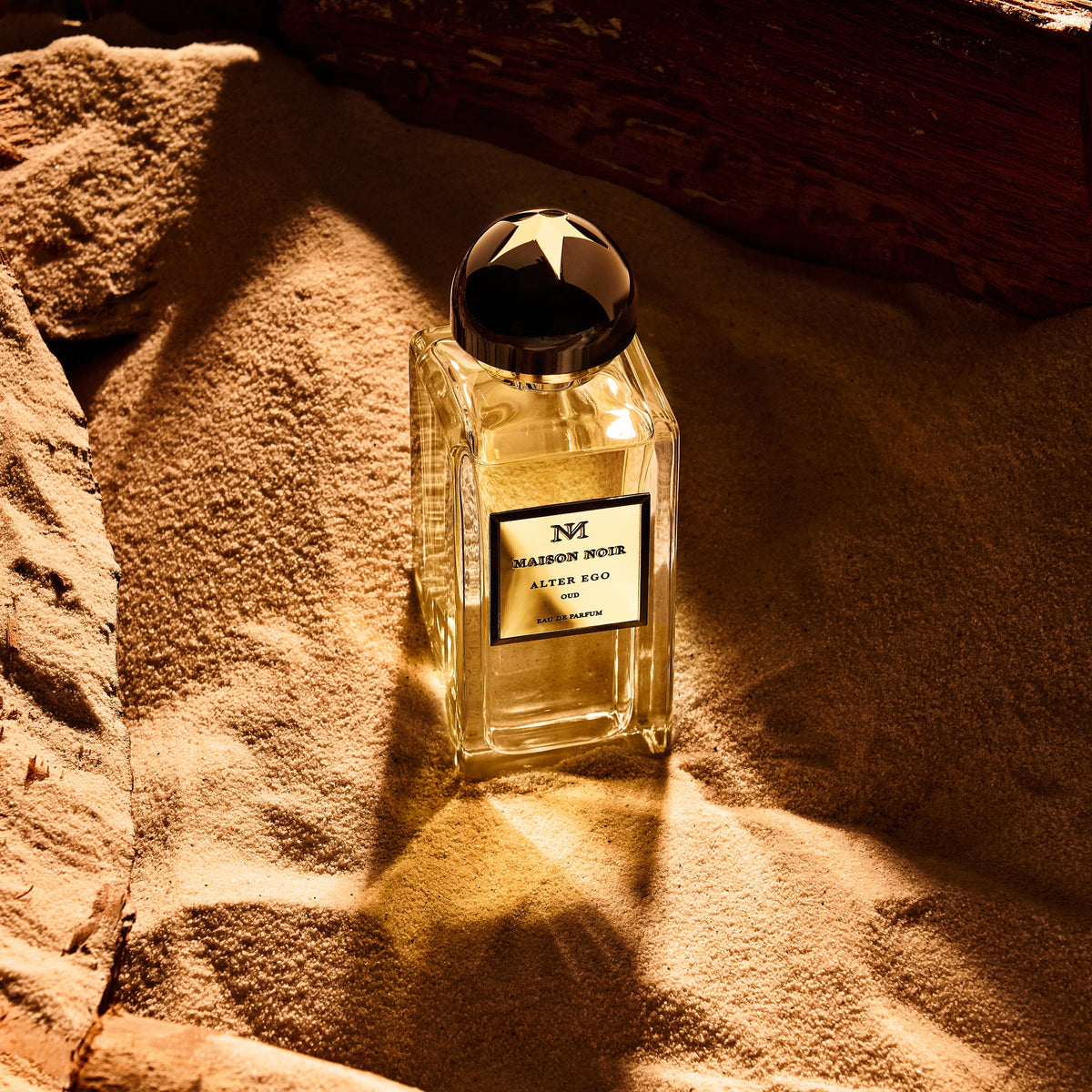
Alter Ego 786
Explore woody and fruity notes to develop your olfactory palate independently.
$125.00 - $195.00
Shop Now →Steps to Becoming a Perfumer: A Realistic Timeline
Becoming a working perfumer typically takes between five and ten years from starting point to independent professional practice. The range reflects how dramatically the starting point, chosen route, and access to materials varies between individuals.
| Stage | Typical Duration | Key Activities | Success Metric |
|---|---|---|---|
| Foundation | 1-2 years | Raw material study, olfactory training, perfumery family survey | Can identify 100+ materials reliably by smell |
| Technical formation | 2-4 years | Formal school or structured self-study; first formulations | Produces composed, coherent accords and simple fragrances |
| Apprenticeship or industry entry | 1-3 years | Trainee roles at ingredient houses, niche brands, or mentorship under working perfumers | First professional briefs fulfilled |
| Independent practice | Ongoing | Building a portfolio, client work, house relationships | Sustained professional output |
The honest total: expect seven to ten years from first serious study to confident independent practice. Formal school compresses the foundation stages. The self-taught path generally extends them. Access to mentorship and professional feedback is the single biggest variable that determines how quickly someone moves through the technical formation stage.
Understanding fragrance concentrations as part of your foundation knowledge is telling. Concentration affects formula construction, not just finished fragrance strength, and a working perfumer needs to understand why.Perfumer Certification and Geographic Differences: What to Know
There is no globally recognised certification that someone must hold to call themselves a perfumer. The profession has no equivalent of a medical licence or a chartered accountant's qualification. Completion of a programme from ISIPCA or the Grasse Institute carries strong industry recognition, but it is reputational rather than regulatory.
A note on terminology: the correct professional term is "perfumer," not "perfumist." The latter is a common search term but not standard usage within the industry. If you encounter "perfumist" in a professional context, it usually signals someone outside the trade.
Geographic differences and their weight
France remains the centre of perfumery training and institutional recognition. A credential from a French institution opens doors in fine fragrance globally. In the United States, there is no equivalent body of formal schools, and many American perfumers either trained in France, pursued chemistry degrees with self-directed creative practice, or came through the training programmes of large ingredient houses.
The United Kingdom, Germany, and Switzerland have university-level options with strong technical emphasis. Switzerland's role in fragrance manufacturing means that Swiss-based candidates with science credentials and demonstrated creative work are well-positioned with the ingredient supply companies operating there.
In terms of certification programmes, organisations such as the American Society of Perfumers offer educational resources and professional community, but membership is not a formal qualification. Some continuing professional development courses offer certificates of completion, which carry weight primarily as signals of commitment rather than demonstrated skill.
How independent perfumers are shaping the future of fine fragrance is worth reading alongside this. The independent and niche sector increasingly allows talented formulators to build reputations outside the traditional institutional pathway.What Fine Fragrance Houses Actually Look for Beyond Qualifications
Fine fragrance houses, particularly at the independent and niche end of the market, evaluate candidates on creative judgment, olfactory fluency, and the ability to construct a coherent concept, not qualifications alone. A strong portfolio of compositions almost always counts for more than a certificate.
This is not an argument against formal training. It is a clarification of what training is meant to produce. A degree or diploma from a recognised programme signals rigour and exposure to materials. What it cannot signal is creative voice. That is what a portfolio demonstrates.
Maison Noir's approach to fragrance offers a useful illustration. The house's numbered fragrances are built along two dimensions: emotion and intuition. Each number encodes the composition's main notes through a fragrance wheel. The idea of helping people "smell with your eyes," reading a scent's character before experiencing it, reflects the kind of intentional thinking that fine fragrance houses look for in a creative collaborator. It is not about having smelled the most materials. It is about knowing what you want to say and constructing a coherent composition to say it.
Houses at this level are also interested in cultural fluency and narrative sense. A candidate who can articulate why a particular accord suits a particular mood, or why a base note choice supports the composition's emotional arc, is demonstrating the same literacy that what distinguishes niche fragrance houses from mainstream perfumery is built on.
How master perfumers construct classic fragrance families gives you direct insight into the structural thinking that separates a skilled formulator from someone who simply assembles pleasant materials together.
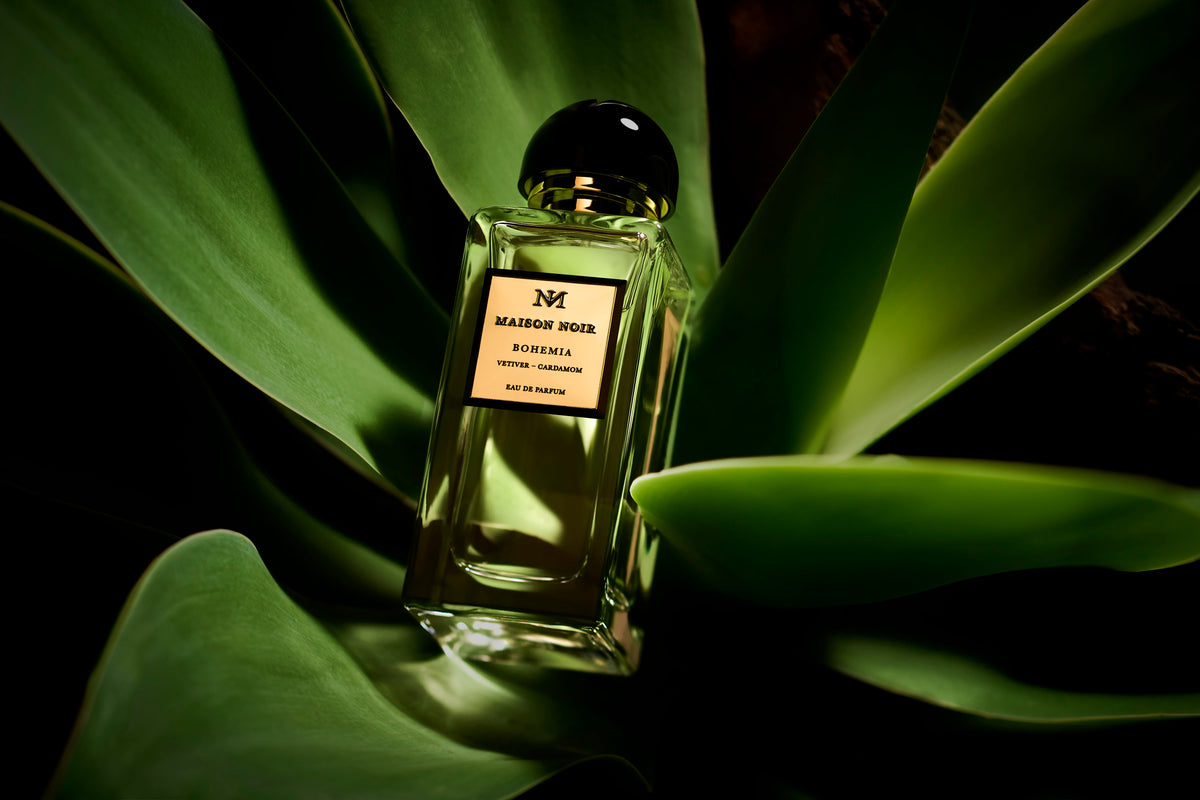
Bohemia 265
Study complex fragrance compositions like citrus and ambery blends professionally.
$125.00 - $195.00
Shop Now →Frequently Asked Questions About Becoming a Perfumer
How difficult is it to become a perfumer?Becoming a working perfumer is genuinely demanding. It requires years of systematic olfactory training, creative development, and either institutional access or determined self-direction. The olfactory memory required to identify and recall hundreds of raw materials takes consistent practice over years to build.
Can someone become a perfumer through self-teaching?Yes, though the self-taught path requires a structured approach rather than casual exploration. Access to professional-grade raw materials, honest feedback on compositions, and deep study of perfumery literature are all necessary. Many respected independent perfumers have built their practice largely outside formal institutions.
Is it possible to become a perfumer without a formal degree?It is possible, but breaking into commercial houses without formal credentials is significantly harder. Independent practice and niche fragrance offer more accessible routes for self-taught formulators with strong portfolios.
What degree qualifications are needed to work as a perfumer?There is no universally required qualification. Degrees in chemistry, cosmetic science, or chemical engineering are valued by large ingredient houses and commercial manufacturers. Fine fragrance and niche houses weight creative portfolio and olfactory skill more heavily than specific degree titles.
How long does it take to become a perfumer?Most practising perfumers describe a process of seven to ten years from first serious study to independent professional practice. Formal school can compress the foundation stages; the self-taught path generally extends them.
What are the steps to become a perfumer?The core steps are: systematic raw material study, olfactory training, formal schooling or structured self-directed practice, an apprenticeship or trainee role, and ongoing portfolio development. Each stage builds on the previous one.
How does one obtain perfumer certification?There is no global standard certification. Completion of recognised programmes such as ISIPCA or the Grasse Institute provides strong industry credibility. Some professional organisations offer membership or continuing education certificates, which signal commitment rather than formal qualification.
Are there geographic differences in perfumer education requirements?Yes. France has the most established institutional infrastructure, and French credentials carry the strongest global recognition. The United States has fewer formal schools; many American perfumers trained in France or through the in-house programmes of large ingredient suppliers. Understanding fragrance concentration as part of your scent education is one small piece of the broader knowledge base that varies in how systematically it is taught across different countries.
Starting Your Olfactory Education: Wherever You Are
Your olfactory education begins the moment you start paying deliberate attention to what you are wearing and why. That is true whether you intend to formulate professionally or simply want to choose fragrance with more confidence. The craft knowledge that shapes a perfumer's training also sharpens the way any thoughtful wearer approaches a composition.
Using fragrance samples to study a perfumer's choices is one of the most accessible starting points. Finished, well-constructed fragrances are your first textbook. Notice how top notes behave in the first minutes, when the heart asserts itself, and how the base develops over hours. These observations are the same ones a student at a formal programme is trained to make.For a broader grounding, the fragrance education guide covers the vocabulary, families, and structural concepts that underpin everything discussed here. And if you want to put that knowledge into practice immediately, niche fragrances worth exploring this season gives you compositions chosen for the range and clarity of their olfactory character.
The most practical next step, whether your interest is professional or purely for pleasure, is to smell compositions you can study carefully. The Maison Noir Discovery Set is designed for exactly this kind of deliberate exploration. Sample the full collection and study each composition across the range of the house's numbered fragrances, from the ozonic freshness of Vertigo 236 to the deep oud character of Alter Ego 786. Serious olfactory education starts with serious material, and it starts now.
Read more
The study of fragrance spans three distinct disciplines: perfumery, olfaction, and fragrance chemistry. Learn what each means, how they differ, and how to begin.
A perfume sample is a small quantity of a fragrance, typically 1 to 2 ml, that lets you wear and evaluate a scent across its full development before...