
Eau De Parfum vs. Parfum: When the Extra Concentration Actually Makes a Difference
Introduction
Eau de parfum and parfum are two distinct fragrance concentration levels, not interchangeable terms for the same thing. Eau de parfum typically contains 15-20% aromatic oil, while parfum (also called extrait de parfum) sits higher, generally at 20-30%. That difference in oil content changes how a scent opens, how it projects, how long it lasts on skin, and how much you will ultimately pay per wearing.
Two misconceptions trip up even experienced shoppers. The first is treating EDP and parfum as synonyms, as if "parfum" simply means fragrance in French (it does, but as a concentration label it refers specifically to the highest-strength format). The second is confusing spray versus dabber application with the concentration category itself. A spray bottle does not make something an EDP; a dabber does not make it an extrait. The format of the cap and the strength of the formula are separate facts about the same bottle.
If you are choosing a fragrance deliberately, understanding these distinctions helps you spend better, wear more confidently, and avoid the frustration of a scent that fades before your afternoon is over.
---
What Are the 5 Levels of Perfume Concentration?
The five standard fragrance concentration tiers are eau fraîche, eau de cologne, eau de toilette, eau de parfum, and parfum. Each represents a different ratio of aromatic oil to alcohol and water. Higher oil content generally means greater longevity and a more intimate projection, though the relationship is not perfectly linear and varies by formula and house.
The table below gives practical ranges. No international body formally regulates these labels, so individual houses do interpret them with some latitude. "Approximately" and "typically" are honest qualifiers here.
| Tier | Typical Oil Concentration | Typical Longevity | Character |
|---|---|---|---|
| Eau Fraîche | 1-3% | 1-2 hours | Very light, immediate, ephemeral |
| Eau de Cologne (EDC) | 2-4% | 2-3 hours | Fresh, often citrus-forward, easy wearing |
| Eau de Toilette (EDT) | 5-15% | 3-5 hours | Bright, moderate projection, daytime versatility |
| Eau de Parfum (EDP) | 15-20% | 5-8 hours | Fuller body, deeper dry-down, noticeable sillage |
| Parfum / Extrait de Parfum | 20-30% | 8-12+ hours | Rich, close-to-skin, complex evolution |
"Parfum" as a label is worth clarifying once, clearly. In French, the word simply means fragrance. As a concentration tier, it specifically denotes the highest-strength format, also called extrait de parfum or pure parfum. Readers who encounter "parfum" in an ingredient list (where it means the fragrance blend inside a product) should not confuse that usage with the concentration category.
The absence of legal standardisation matters practically. A house may call a composition an EDP at 18% or at 22% oil. This is one reason how independent houses approach concentration differs so visibly from the conventions used by mass-market brands. Reading the house's own description, and sampling before buying, remains the most reliable method.
---
What Are the Real Differences Between Eau de Parfum and Parfum?
Eau de parfum and parfum differ across six meaningful dimensions: oil concentration, longevity, projection, dry-down behaviour, application method, and price. Understanding each separately prevents the common mistake of assuming that "stronger always means better" or, conversely, that parfum is simply too intense for regular use.
Concentration. EDP typically sits at 15-20% aromatic oil; parfum at 20-30%. That gap of roughly 5-15 percentage points is significant but not absolute. A dense, resinous EDP at 18% may smell richer than a light parfum formulated at 21%. Longevity. On most skin types, EDP lasts approximately five to eight hours. Parfum frequently extends beyond eight hours, with base notes often still present twelve hours later. The difference is most noticeable in the mid-to-late stages of wear, not the opening. Projection. EDP projects a visible sillage into the surrounding air, especially in the first two hours. Parfum tends to project closer to the skin, more intimate and less broadcast. This is a character difference, not a defect. Many wearers prefer the discretion of a higher-concentration format. Dry-down behaviour. With EDP, the top notes evaporate relatively quickly, revealing the heart and base within thirty to sixty minutes. Parfum slows this process; top notes linger longer, and the transition to base is more gradual and layered. Application method. EDP usually comes in a spray. Parfum frequently uses a dabber or rollerball, which changes how you interact with the formula. Application technique affects longevity meaningfully: dabbing concentrates the scent on specific pulse points, while spraying distributes it more broadly. Neither is inherently superior; they suit different intentions. Price. Parfum costs more per bottle, almost without exception. Reframed as cost-per-wearing, the gap often narrows considerably. A parfum applied sparingly may require fewer reapplications than an EDP worn generously. For the mathematically inclined, the per-wear cost calculation frequently favours the higher-concentration format.On the question of intensity: parfum is not inherently overwhelming. Many weighty, challenging fragrances exist at EDP strength, and many refined, subtle ones exist at parfum strength. Intensity is a function of the formula, the specific materials chosen, and the quantity applied. Sampling before committing to a full bottle remains the most practical advice, at any concentration.
---

Icarus 967 Extrait
Experience the highest concentration with Icarus 967 Extrait's rich woody-fruity blend.
$265.00
Shop Now →Eau de Parfum vs. Parfum at a Glance
The clearest way to understand the eau de parfum vs parfum decision is side by side. Both formats carry the same fragrance DNA; what changes is how that DNA expresses itself across the day.
| Dimension | Eau de Parfum | Parfum |
|---|---|---|
| Oil Concentration | Approximately 15-20% | Approximately 20-30% |
| Typical Longevity | 5-8 hours | 8-12+ hours |
| Projection | Moderate to noticeable sillage | Close-to-skin, more intimate |
| Application Format | Usually spray | Often dabber or rollerball |
| Best Context | Day wear, office, varied occasions | Evenings, formal occasions, cold weather |
| Price Relationship | Lower per bottle | Higher per bottle; comparable per wearing |
| Skin Sensitivity Note | Generally well tolerated | Patch-test advisable for reactive skin |
The projection distinction is worth holding onto. If you want a scent others notice as you enter a room, EDP often serves better. If you prefer a scent that accompanies you rather than announces you, parfum is worth exploring.
---
How Long Does Parfum Last Compared to Eau de Parfum?
Parfum typically lasts longer than eau de parfum on the same skin, approximately eight to twelve or more hours versus five to eight for EDP. The difference is most evident in the base notes, which are the slowest-evaporating materials in the composition and benefit most from a higher oil concentration.
The mechanism is straightforward. Fragrance evaporates as alcohol carries the aromatic molecules away from the skin surface. A higher oil-to-alcohol ratio means more molecules remain after the initial spray or application, and those molecules take longer to disperse fully. It is not a magical property of parfum; it is a consequence of material density.
Four variables affect longevity regardless of concentration tier:
- Skin type. Oilier skin holds fragrance longer than dry skin, because oils slow evaporation and provide a surface for molecules to bond with.
- Body heat. Warmer skin accelerates diffusion, which increases initial projection but shortens overall wear. Pulse points are effective precisely because they are warm.
- Humidity. High humidity slows evaporation and can extend wear; dry air shortens it.
- The specific formula. A parfum built on light, airy materials may not outlast a resinous, oud-heavy EDP. Concentration matters, but ingredient selection matters equally.
For readers who want all-day wear without reapplication, parfum is a practical choice. So is understanding the application methods that extend how long a scent lasts before committing to either format. Technique and concentration work together, not independently.
---

Icarus 967 Extrait Sample
Try Icarus 967 Extrait Sample to test longevity before committing to full-size.
$10.00
Shop Now →When Should You Avoid Parfum Concentration?
Parfum is not always the correct choice, and three situations genuinely call for a lighter concentration. Recognising them prevents discomfort for you and those around you.
Skin sensitivity. Higher oil concentrations increase the likelihood of contact reactions in people with reactive or allergy-prone skin. Patch-testing any new fragrance is sensible; with parfum, it is essential. If your skin is prone to irritation, EDP gives you access to similar compositions with meaningfully lower direct-skin exposure. Enclosed environments. An office, a meeting room, a cinema, a car on a long journey: spaces with limited ventilation magnify projection considerably. EDP's moderate sillage is well-suited to shared, enclosed settings. The same formula in parfum concentration, applied generously, can become intrusive for others nearby. Warm climates and summer wear. Heat accelerates the diffusion of aromatic molecules. In high temperatures, parfum can project more intensely than intended, occasionally tipping from present into overpowering. Lighter concentrations breathe more easily in warm weather. Matching fragrance concentration to occasion and season is a practical skill, not an aesthetic preference.Now for the common error worth correcting directly. Many people avoid parfum entirely because they associate higher concentration with being overwhelming. That assumption conflates two different variables: concentration and application quantity. A single, careful application of parfum to one pulse point is almost always less intrusive than four sprays of EDP to the neck, chest, and wrists. Parfum rewards a lighter hand. Adjust the quantity, not the tier.
---
How Niche Fragrance Houses Approach Concentration Differently
Niche houses approach concentration as a compositional choice, not simply a marketing tier. The distinction matters because it changes what you actually experience.
In a mass-market context, concentration often drives positioning: EDT for the entry price, EDP for the premium version, parfum as the top of the range. The formula may differ only modestly. In niche perfumery, the choice of concentration is more likely to reflect the specific material demands of the composition itself.
Precious naturals, such as aged oud, rare resins, and certain florals, have lower natural volatility than synthetic molecules. They need time and concentration to fully reveal their character on skin. At EDP strength, some of these materials barely surface before the lighter elements have evaporated and the wearer moves on. At parfum concentration, the slower, richer layers have space to develop across hours rather than minutes.
This explains why many niche houses offer an extrait or high-concentration variant of a signature scent. It is not redundancy; it is a different sensory experience built from the same palette. Icarus 967 Extrait in the Maison Noir line is exactly this: a more concentrated, deeper expression of the Icarus 347 EDP, where Akigalawood anchors the composition with a weight and radiance the EDP reaches for but does not hold as long.
The Elixir naming convention, increasingly common across commercial niche, often causes confusion here. "Elixir" is not a standardised concentration tier. It is a marketing term, and what you actually pay for in niche fragrance is rarely the label. Check the oil percentage, not the name on the cap. A product called "Elixir" may be concentrated at 25% or at 18%; how oud-based compositions behave across concentration tiers illustrates this variance concretely.
---
What Makes a Niche Perfume Long-Lasting?
Longevity in niche fragrance is driven primarily by the fixative materials and base-note architecture in the formula, not simply by concentration. This is an important distinction for anyone searching for the most long-lasting niche perfumes.
Fixatives are materials that slow the evaporation of more volatile aromatic compounds. In fine perfumery, these are typically resins (olibanum, benzoin, labdanum), musks, ambroxan, and dense woods like vetiver and oud. When a perfumer builds a composition with a strong fixative base, the whole structure anchors to skin more effectively, regardless of whether the final formula is an EDP or a parfum.
The common misconception is that higher concentration always equals longer longevity. This is roughly true as a tendency, but not as a rule. A parfum built on light, airy green notes may fade faster on certain skin types than a well-anchored EDP grounded in resins and musks. The quality and the type of the base materials matter at least as much as the percentage of oil.
Layering to build longevity and depth is another practical approach. Applying an unscented moisturiser to dry skin before spraying gives aromatic molecules something to bond with, extending their presence meaningfully. How contemporary unisex compositions use base-note materials offers more on this structural approach.The most reliable test remains sampling on your own skin, worn through a full day. Your skin chemistry interacts with every composition differently. A fragrance that lists tonka bean and ambroxan in its base, as Icarus 347 does, may last longer on your skin than a different parfum-concentration scent with a lighter fixative profile. Sample first, then decide.
---

Discovery Set
Explore our Discovery Set to find your ideal concentration across diverse fragrance profiles.
$45.00
Shop Now →Frequently Asked Questions
These questions come up consistently when readers compare eau de parfum vs parfum, because the terminology overlaps with general French vocabulary and the concentration hierarchy is rarely explained clearly on product pages. The answers below address each directly.
Which is better, eau de parfum or parfum?Neither is objectively better. EDP suits moderate-projection, all-occasion wear, while parfum suits situations where you want longevity and intimate depth. The right format depends on how you wear scent, where you wear it, and your skin type.
How long does parfum last compared to eau de parfum?Parfum typically lasts approximately eight to twelve or more hours on most skin types; EDP typically lasts five to eight hours. The difference is most visible in the base-note persistence, not the opening.
What are the key differences between EDP and parfum?The main differences are oil concentration (15-20% versus 20-30%), longevity, projection (EDP projects further; parfum stays closer to skin), application format (spray versus dabber), and price per bottle.
How do concentration levels differ across the five tiers?From lowest to highest: eau fraîche (1-3%), eau de cologne (2-4%), eau de toilette (5-15%), eau de parfum (15-20%), and parfum (20-30%). These are standard ranges, not legally regulated definitions.
Why should some people avoid parfum?Reactive or sensitive skin benefits from the lower direct-contact exposure of an EDP. Enclosed environments and warm climates can also make parfum's projection feel disproportionate. Adjusting the quantity applied often resolves the intensity concern.
What is the difference between parfum and elixir?Parfum is a standardised concentration tier; elixir is a marketing term with no fixed definition. An "elixir" may or may not be more concentrated than a standard EDP. Check the oil percentage, not the label.
How does extrait de parfum compare to eau de parfum?Extrait de parfum and parfum are the same thing: the highest concentration tier. EDP sits below it. The extrait offers greater longevity, slower dry-down, and closer-to-skin projection.
How can someone get a long-lasting impression at a lower cost?Focus on well-anchored base notes (resins, musks, woods) regardless of concentration. Apply to moisturised skin and pulse points. Sampling different concentrations before buying a full bottle is the most cost-effective approach.
---
Choosing the Concentration That Suits How You Wear Scent
The right concentration is the one that fits your skin, your environment, and the impression you want to make. EDP and parfum are not competing products; they are different expressions of the same idea.
Three lessons from this article are worth keeping. First, concentration and intensity are not the same thing: formula and application quantity shape intensity more than the tier on the label. Second, longevity depends on base-note architecture and your skin type, not only on oil percentage. Third, parfum's closer-to-skin projection is a character, not a limitation.
Sampling remains the most practical advice. Wear a fragrance through a full day, in conditions that reflect how you actually live, before deciding on a full bottle. That is especially true when comparing an EDP and an extrait of the same composition.
If you want to understand how a house's compositions actually perform at their concentration, explore the Discovery Set and find the concentration that works on your skin. It is a considered way into the collection. For broader guidance on fit and preference, a guide to finding the fragrance that suits you and understanding fragrance families before choosing a concentration are useful next steps.
Read more
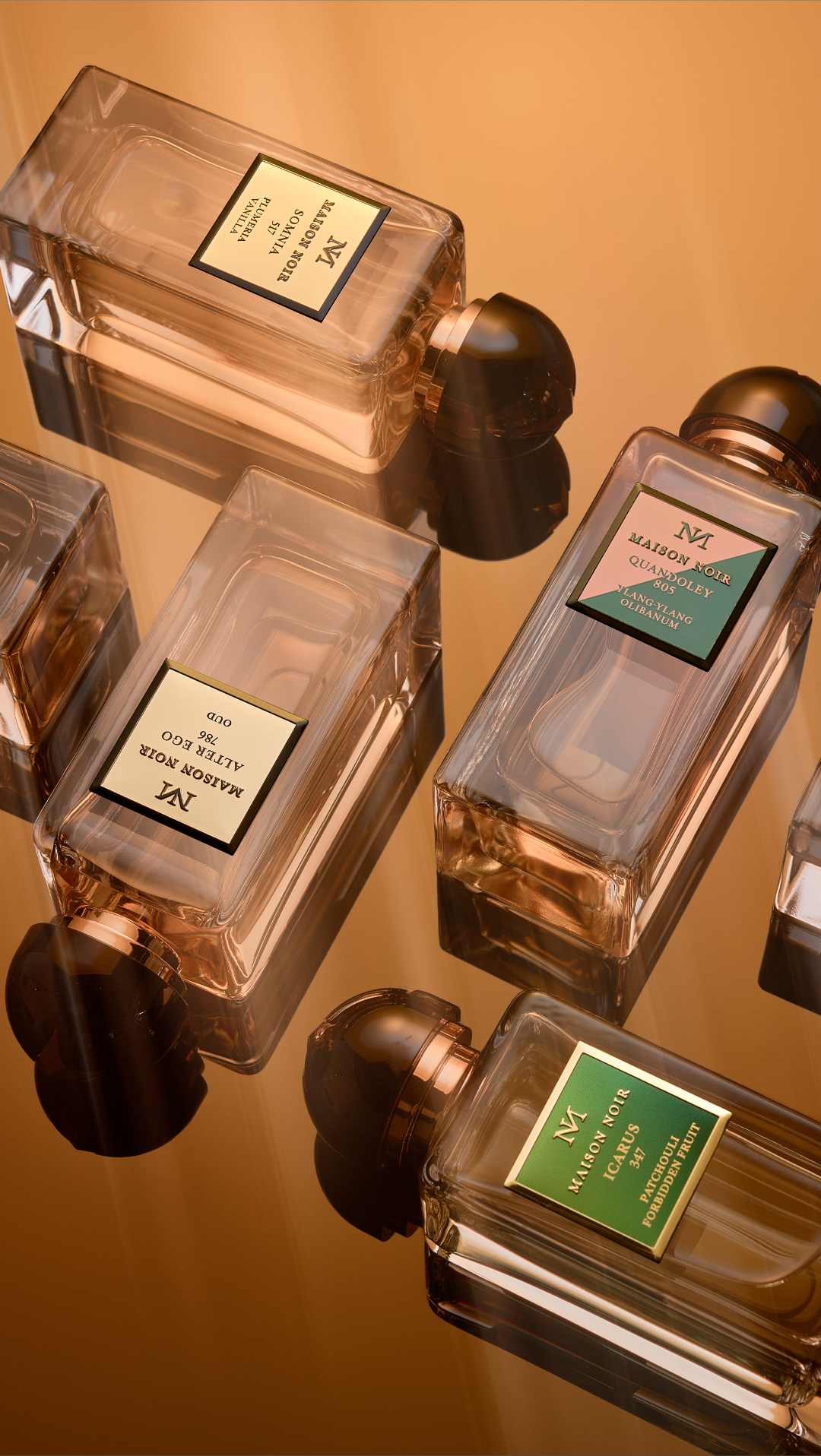
Niche perfume vs designer fragrance: understand ingredient quality, price mechanics, concentration, and how to choose between them with confidence.
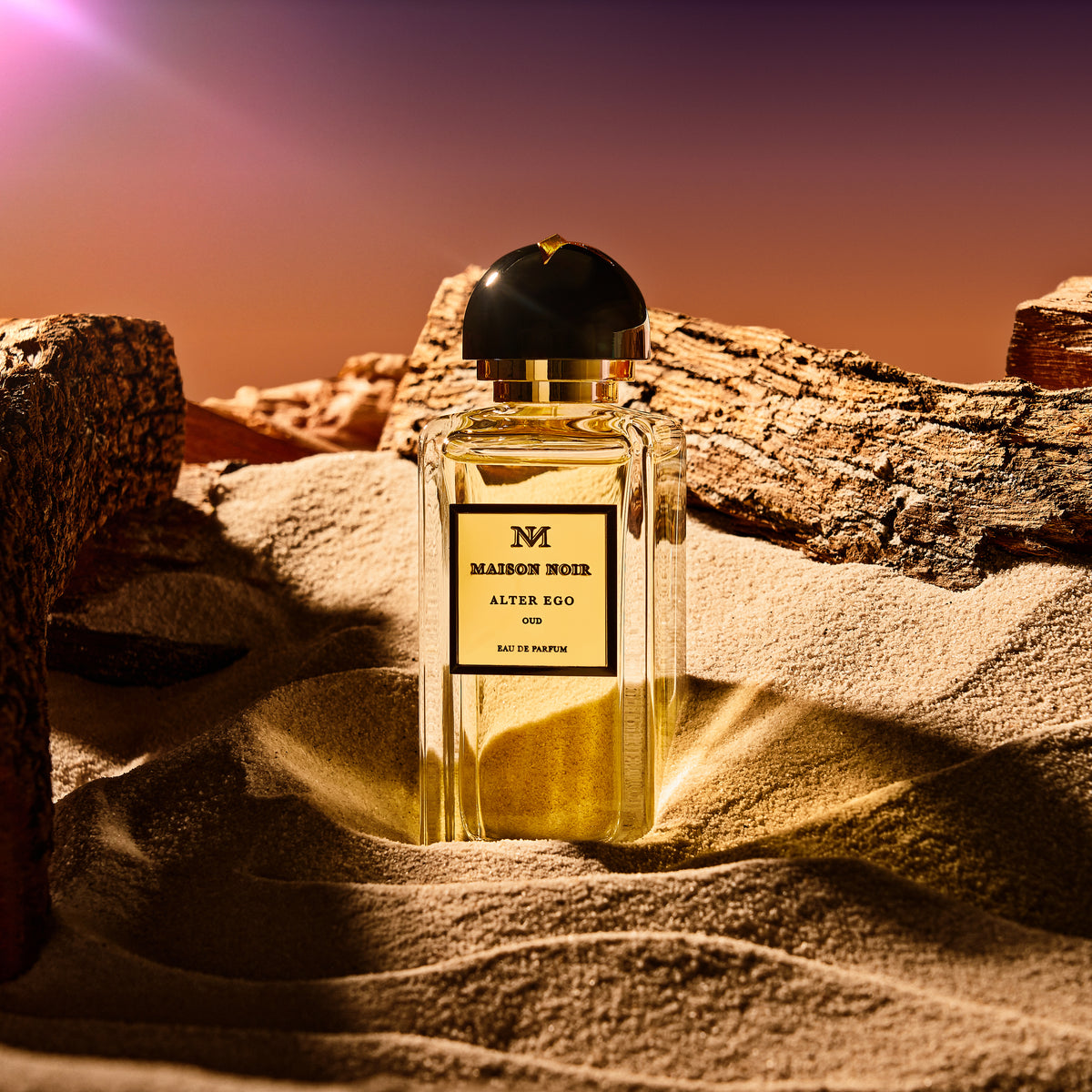
Learn how to choose a fragrance for work that balances personal expression with shared-space courtesy. Covers families, concentration, application, and seasonal wear.