

How to Wear Fragrance: A Practical Guide for Anyone Starting Out
How to Wear Fragrance: A Practical Guide for Anyone Starting Out
Correct fragrance application is the practice of placing the right quantity of scent on the right areas of skin, at the right concentration, for the occasion at hand. If you are searching for how to wear fragrance men typically overlook the basics: where to spray, how much to use, and what to expect from different formats and concentrations. This guide covers all of it, from pulse points and quantity rules to choosing your first bottle and avoiding the mistakes that make fragrance unpleasant for everyone around you.
You do not need a vast collection to wear fragrance well. You need a clear method, a sense of your own preferences, and the willingness to test before you commit. The complete guide to wearing fragrance goes deeper on every point here, but this piece gives you the practical foundation.
Whether you are new to scent or simply realising you have been applying it wrong for years, the information below will serve you.
---
Where to Apply Fragrance: Pulse Points and Why They Work
Apply fragrance to pulse points: areas where blood vessels sit close to the skin's surface, generating warmth that activates and projects a scent throughout the day. The key locations are the neck (both sides), the inner wrists, the inner elbows, the chest, and, for longer wear, behind the knees.
Warmth is the mechanism. Skin at pulse points runs slightly warmer than surrounding areas, which continuously diffuses the fragrance molecules outward. This is why a scent applied to the chest or neck carries further than the same scent rubbed into your hands.
The 30/50/20 Rule Explained
The 30/50/20 rule offers a simple framework for distributing fragrance across your body. Apply roughly 30 percent of your sprays to the lower body (chest and torso), 50 percent to the mid-zone (neck and collarbones), and 20 percent to the upper zone (wrists, if at all). The logic is that heat rises: a scent applied lower radiates upward through the day, projecting naturally without overwhelming those nearby.
This ratio is a guide, not a formula. A heavier Extrait de Parfum may need only one or two placements; a lighter Eau de Cologne might call for three or four. The principle remains consistent: anchor the scent in warmer, lower zones and let physics do the distribution.
The Walk-Through-a-Cloud Mistake
Spraying fragrance into the air and walking through it is one of the most common application errors. Almost all of the fragrance falls to the floor or clothes rather than landing on skin, which means you waste the product and miss the warmth activation that pulse points provide. Apply directly to skin, at a distance of roughly fifteen centimetres from the nozzle.
For more on making your application last, see how to make your fragrance last all day.
---
How Much Fragrance Is Enough
Two to four sprays of a standard Eau de Parfum, applied to pulse points, is sufficient for most situations. If the concentration is higher (an Extrait or Parfum), one to two placements is usually the upper limit.
The difficulty with quantity is olfactory adaptation: your nose adjusts to a scent within minutes of applying it, which means you stop registering it even when others around you still do. Fragrance wearers report a persistent temptation to spray more because they cannot smell themselves, and this is the single most common cause of over-application.
Quantity by Concentration Tier
Different concentrations carry different fragrance oil loads, which directly affects how much you need.
- Eau de Cologne (EDC): Typically 2 to 4 percent fragrance oil concentration. Lighter, shorter wear time. Three to five sprays is reasonable.
- Eau de Toilette (EDT): Typically 5 to 15 percent. Two to three sprays on pulse points.
- Eau de Parfum (EDP): Typically 15 to 20 percent. Two to four sprays, applied carefully.
- Extrait de Parfum / Parfum: Typically 20 to 30 percent or above. One to two placements is often sufficient.
The higher the concentration, the more restrained your application should be. A heavily concentrated fragrance worn generously in a warm, enclosed space is difficult to share a room with.
Lighter, lower-concentration formats like body mists exist for a reason. Read more about when a fragrance mist is the right format to reach for.
---
How to Apply Fragrance Correctly: Spray, Dab, and Mist
The correct application method depends on the format: spray directly onto clean skin at about fifteen centimetres distance, dab oil-based fragrances with a fingertip or the bottle's applicator, and apply mists in a gentle sweep across the target area. Each method serves a different product type and yields a different result.
Spray Application
Atomiser bottles are the most common format. Hold the bottle fifteen centimetres from the skin, spray once per pulse point, and allow the fragrance to dry naturally. Do not rub the sprayed area. Rubbing breaks the top-note structure and speeds up evaporation, meaning the fragrance develops less gracefully and fades faster than intended.
Dab Application
Roll-on and stopper-bottle formats are common for oil-based fragrances. Apply by touching the applicator or a fingertipped drop directly to the skin. Oil-based formulas sit closer to the skin and project less aggressively than alcohol-based sprays, which makes them a considered choice for close encounters or concentrated spaces. The trade-off is projection: they wear beautifully but read as more intimate.
Solid Perfume Application
Solid perfumes are wax-based. Press a fingertip into the balm and press (do not rub) it onto a pulse point. The warmth of your skin melts a small amount of the solid, releasing the fragrance. Solid formats are convenient for travel and tend to wear softly, close to the skin.
Spraying onto Clothing
Spraying fragrance directly onto fabric can stain, particularly lighter materials, and the scent develops differently without skin warmth. Apply to skin as a primary method. If you spray lightly onto the collar of a garment, do so with caution and distance. Read more about whether the 3:1:1 application formula actually works.
---
Choosing the Right Fragrance for the Occasion and Season
The right fragrance for an occasion is one that matches the formality, setting, and temperature of that moment: lighter and fresher for daytime and warm weather, richer and more structured for evening and cold months. A scent that works beautifully in a Sunday morning context may read as excessive in a formal boardroom.
Daytime and Warmer Months
In heat, fragrance projects further because warmth amplifies diffusion. This means a scent that reads as moderate in autumn can become overwhelming in summer. Fresh, citrus-forward, and lightly woody compositions tend to handle warmth well. They project enough to be present without saturating the air around you.
Evening and Cooler Months
Cooler air tightens fragrance projection. Richer compositions, whether amber-based, woody, or spiced, work with this quality: they need warmth to bloom, and body heat provides it when ambient temperature does not. These are the fragrances that reward close contact in an evening setting.
A Concrete Example: Bohemia 265
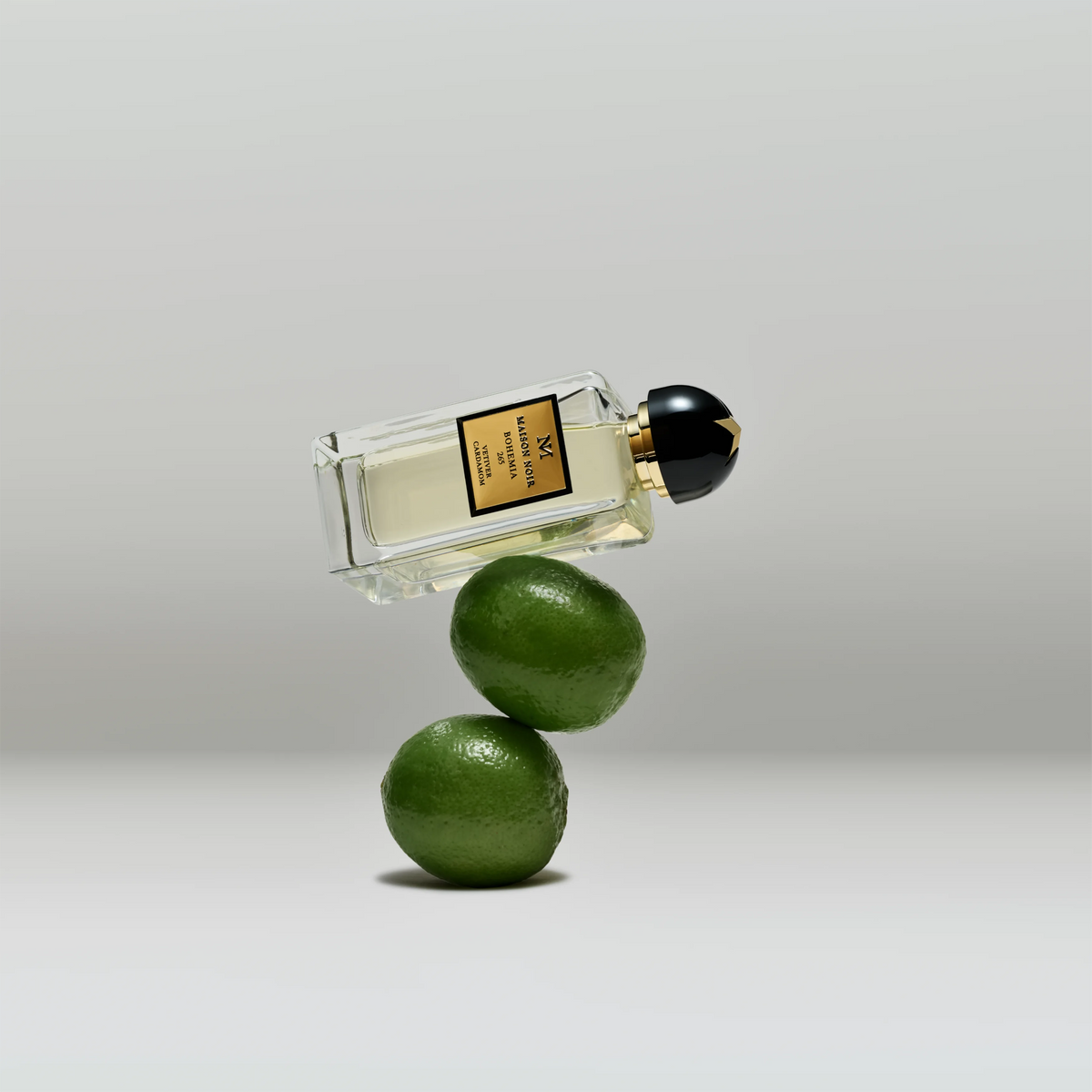
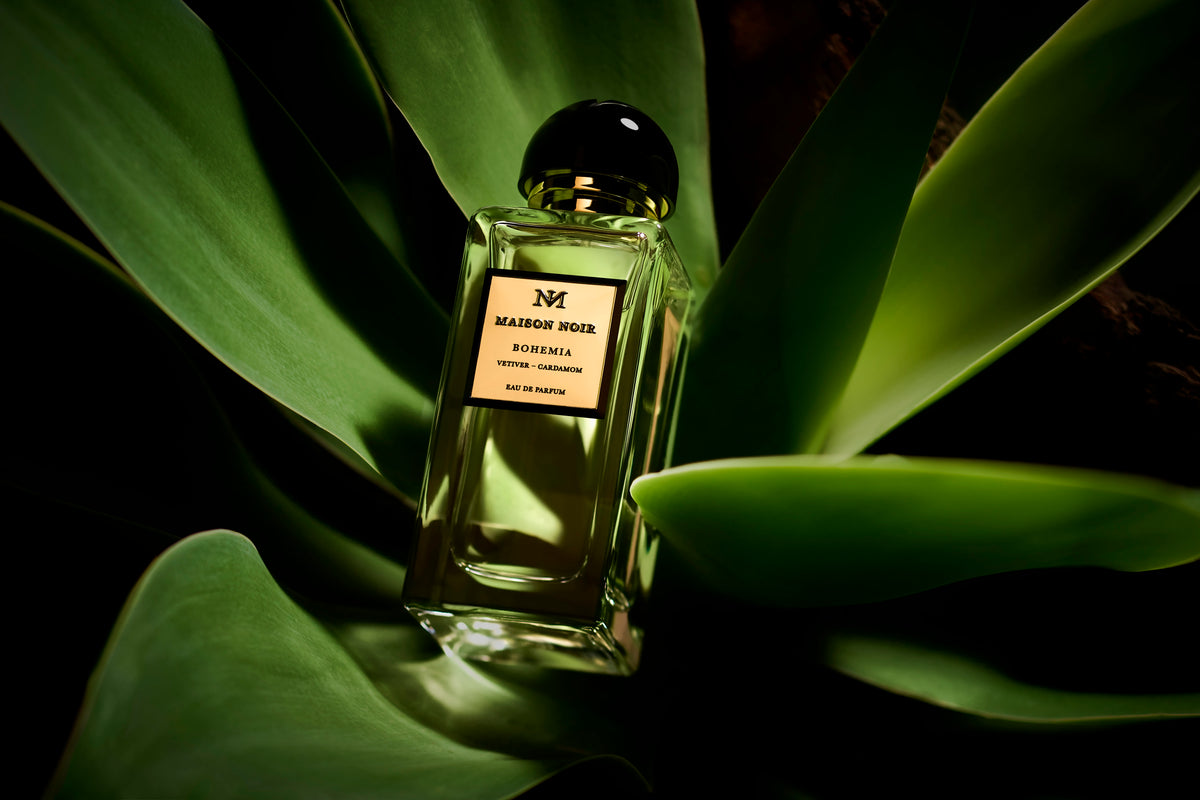
Bohemia 265 is a useful reference point for versatility. Its composition opens with fresh bergamot and aromatic cardamom, settles into woody notes, and rests on a foundation of subtle amber vetiver. That structure gives it range: the bergamot-cardamom opening suits daytime wear and transitional seasons, while the woody amber base deepens as the day cools. It is the kind of composition that does not demand a specific occasion.

Bohemia 265
Bohemia 265 exemplifies citrus-woody balance perfect for beginners learning application techniques.
$125.00 - $195.00
Shop Now →The Beginner's Starting Point
Most fragrance advisers suggest starting with two compositions: one light and fresh for daily wear, one richer for evenings and cooler weather. This covers most situations without requiring a large collection. As your sense of what you like becomes clearer, you can add more specific compositions.
For structured guidance by season, see how to choose the right fragrance for every season and occasion, and for cooler-weather specifics, read which fragrance characteristics suit autumn.
---
Fragrance Families: What the Categories Actually Mean
A fragrance family is a classification that groups scents by their dominant character and shared ingredients. Knowing the families gives you a shorthand for predicting what a fragrance will feel like before you try it, which is valuable when navigating a large collection or shopping blind.
| Family | Core Character | Typical Notes | Best Occasion |
|---|---|---|---|
| Fresh | Clean, airy, light | Citrus, marine, green, aquatic | Daytime, warm weather, office |
| Floral | Blooming, soft, sometimes powdery | Rose, jasmine, iris, peony | Daytime, spring, relaxed social settings |
| Oriental/Amber | Warm, rich, enveloping | Amber, vanilla, resin, spice | Evening, autumn, winter, formal events |
| Woody/Aromatic | Grounded, dry, structured | Sandalwood, vetiver, cedar, oud | Year-round, professional, transitional seasons |
| Gourmand | Sweet, edible, layered | Vanilla, tonka bean, caramel, praline | Evening, winter, casual settings |
Fougère and What It Means
Fougère (the French word for fern) is a sub-family often encountered in fragrance marketed to men. It is built on a structural accord of lavender, oakmoss, and coumarin (a tonka-derived ingredient). The result is an aromatic, herbal freshness with a soft, woody base. Many classic colognes fall here, and fragrance enthusiasts frequently cite fougère as an entry point into the category.
Unisex Versus Gendered Labelling
Some buyers assume that a fragrance labelled unisex uses a different formula or different ingredients than one labelled for men or women. It does not. The distinction is marketing, not chemistry. A fragrance is composed of notes and accords: those notes do not carry a gender. Unisex simply means the house chose not to direct the fragrance at one demographic on the packaging. The composition itself is what matters.
For more on this, read why unisex fragrance is a composition choice, not a compromise, and how to decode floral, fruity, and gourmand compositions.
---
Stop Wearing Fragrance Wrong: The Most Common Mistakes
Most fragrance errors fall into a small number of predictable patterns. Identifying them is the fastest way to improve how your scent reads to others. Stop wearing fragrance wrong by addressing these habits one at a time.
Common mistakes to correct:- Rubbing after application. Rubbing two sprayed wrists together crushes the top notes and alters the drydown. Let the fragrance settle on its own.
- Applying to dry, unmoisturised skin. Scent anchors better to hydrated skin. Applying an unscented moisturiser before fragrance extends longevity meaningfully. Fragrance wearers with dry skin consistently report shorter wear times.
- Over-applying because you can no longer smell yourself. Olfactory adaptation is normal and rapid. The absence of self-perception is not a signal to apply more.
- Spraying onto clothing as the primary method. Fabric does not generate the warmth that develops a fragrance correctly. Staining is also a genuine risk.
- Walking through a spray cloud. Almost all the product falls to the floor. Apply directly to skin.
- Applying only to wrists. Wrists are a starting point, not the whole picture. The neck and chest are often more effective placements.
- Wearing summer fragrances in winter. A light citrus that reads pleasant outdoors in June can disappear completely in December cold.
The Testosterone Question
Some readers have encountered claims that certain fragrances affect testosterone levels. There is no credible body of evidence to support this as a practical concern in normal fragrance use. Fragrance is applied to the skin's surface and is not absorbed in meaningful quantities. The claim does not require further rebuttal.
Layering Without Conflict
Fragrance layering can produce genuinely interesting results, but incompatible base notes can produce something muddy. If you are new to layering, begin with compositions from the same family before mixing across families. For a full framework on this, read how to layer fragrances without creating conflicts.
---
How to Choose Your First Fragrance
The right first fragrance is one you have smelled on your own skin, not just off a card or a description, before committing to a full bottle. Sampling before purchasing is the single most important practice for any beginner.
Why Sampling Matters
A fragrance that smells appealing on a strip may read entirely differently on your skin. Skin chemistry, temperature, and even diet influence how a composition develops. A ten-minute test on a strip tells you how a fragrance opens. Wearing it on skin for four to six hours tells you whether you actually want to live with it.
Read more about how to use fragrance samples to find a scent you will actually wear.

Bestseller Discovery Bundle
Start your fragrance journey with curated samples to find your signature scent.
$20.00
Shop Now →Where to Begin
Beginner overwhelm is real. A useful starting point is a structured way to find your scent, which narrows the field using preferences you already have, even if you have not articulated them yet.
Where to Buy
Department stores and specialist fragrance retailers allow you to test before purchasing. Online purchasing is most sensible once you have sampled and decided. Gift sets, which frequently appear around the end of the year, typically contain a full bottle and a smaller travel size or complementary product. They can offer good value but are not a substitute for sampling first.
The Discovery Set Model
Maison Noir's Discovery Set is designed precisely for this: each fragrance in the collection is available as a numbered door to try before you walk through it. Rather than committing to a full bottle blind, you encounter each composition at scale, on your skin, in your life. See the Discovery Set as a structured way into the collection.
For background on what distinguishes this category of fragrance, read what makes a niche fragrance house different.
---
Frequently Asked Questions
The questions below address the most common points of confusion about wearing fragrance correctly. Each answer is self-contained and draws on the sections above.
How should fragrance be applied correctly?Apply fragrance directly to pulse points on clean, moisturised skin, holding the bottle about fifteen centimetres away. Allow the scent to dry naturally without rubbing. The pulse-point section of this guide explains the mechanics in full.
What is the 30/50/20 rule in perfume application?The 30/50/20 rule distributes fragrance across three zones: 30 percent to the lower body and chest, 50 percent to the mid-zone (neck and collarbone), and 20 percent to the upper zone (wrists). The logic is that heat rises, so anchoring scent lower allows it to project naturally upward.
How do you apply solid perfume or oil-based fragrances?For oil-based formats, touch the applicator or a fingertip to the product and press it onto a pulse point. For solid perfumes, press a fingertip into the balm and hold it against the skin; body heat melts a small amount and releases the fragrance. Avoid rubbing either format.
What makes a fragrance suitable for daytime versus formal events?Daytime fragrances tend to be lighter in concentration and fresher in character, projecting more subtly and working with ambient warmth. Evening or formal fragrances are often richer, deeper, and more structured, designed to bloom in the warmth of the body during cooler hours. Concentration also plays a role: an Extrait at a daytime meeting is often too much.
How do you prevent fragrance conflicts when layering scents?Begin by layering within the same fragrance family before crossing family lines. Compositions sharing a base note, such as two woody scents, generally coexist without creating an unpleasant clash. For more detail, the dedicated article on how to layer fragrances without creating conflicts covers this systematically.
What should beginners look for in their first cologne?Start with something from the fresh or woody families: they tend to be the most versatile and the least polarising. Sample on skin before buying, and look for a brand that offers a discovery or sample set so you can test across multiple compositions before choosing one. For context on what separates different categories, see the difference between oud perfume and cologne.
Are unisex fragrances different from fragrances marketed to men?No. The distinction is one of marketing positioning, not chemistry or formula. A fragrance's character comes from its notes and accords, and those are not inherently gendered. Unisex labelling simply means the house chose not to direct the composition at one demographic specifically. More on how oriental floral fragrances work shows how notes transcend these categories.
---
Wearing Fragrance Well Is a Practice, Not a Performance
Wearing fragrance well means applying the right amount, in the right places, suited to the occasion you are actually in, not the one you imagine. It is a skill that develops with attention and time. Nobody gets it perfectly right from the first bottle.
The core habits are straightforward: apply to pulse points on moisturised skin, let the fragrance develop without rubbing, calibrate quantity to concentration, and sample before committing to a full bottle. These four practices separate someone who wears fragrance intentionally from someone who simply owns a bottle.
As your nose sharpens and your preferences clarify, the choices become easier. You will recognise families, understand what different concentrations feel like to wear, and build a sense of what suits different moments of your day and year.
The most useful next step is to smell things. Read the full guide to wearing fragrance at every level for a deeper treatment of everything covered here, or begin exploring specific compositions through the Discovery Set to find the numbered door that opens onto your own olfactive world.
Read more
The Best Unisex Fragrances for Autumn: Niche Picks for Cooler Days Unisex fragrance is a scent composition designed to wear beautifully on any skin, regardless of gender, typically built around ...
What Eau De Parfum Actually Feels Like on Skin: Projection, Dry-Down & When to Choose It Introduction Eau de parfum contains roughly 15 to 20 percent aromatic compounds, which puts it squar...