

Niche fragrance meaning explained: it's about creative autonomy and ingredient depth, not price. Learn what separates niche houses from mainstream brands.

Fragrance preference is personal, shaped by your biology, memory, and the culture you live in.

Osmology is the formal name for the scientific study of smell and perfume.
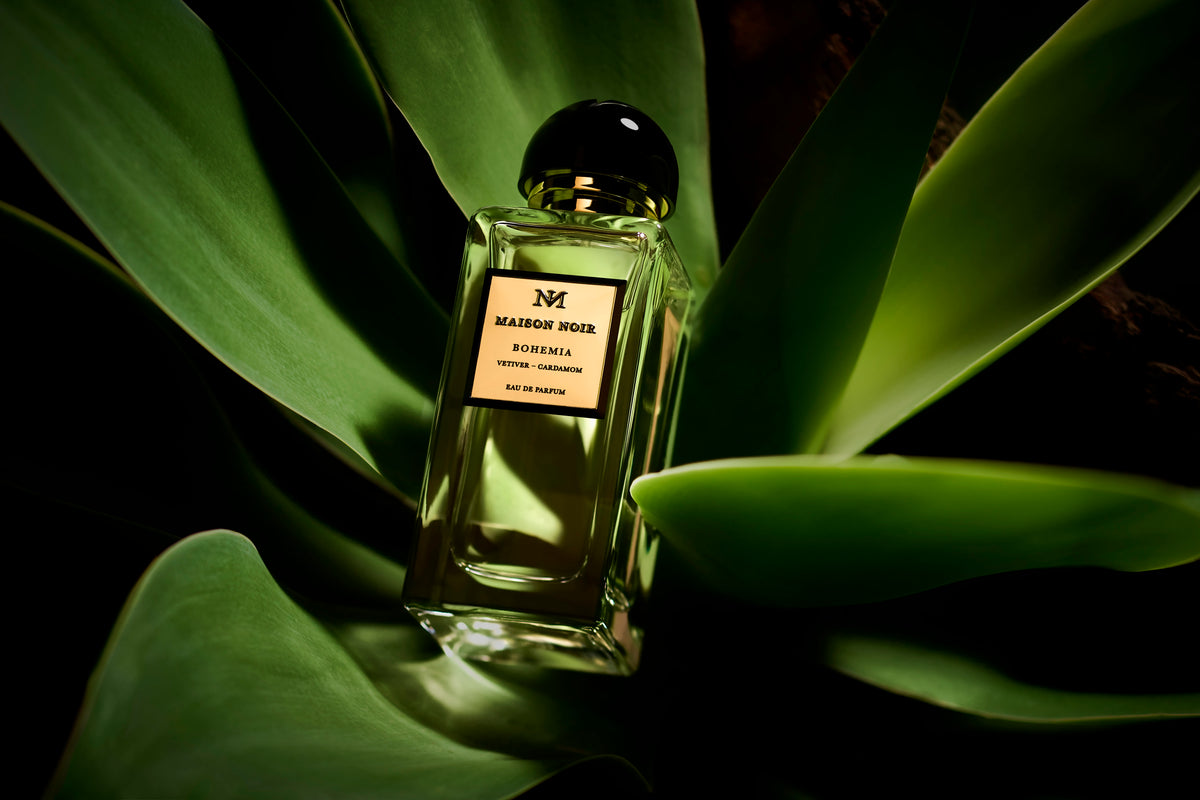
A master perfumer composes and refines fragrances through years of training and raw material mastery. Learn how they work, how to become one, and what the career looks like.
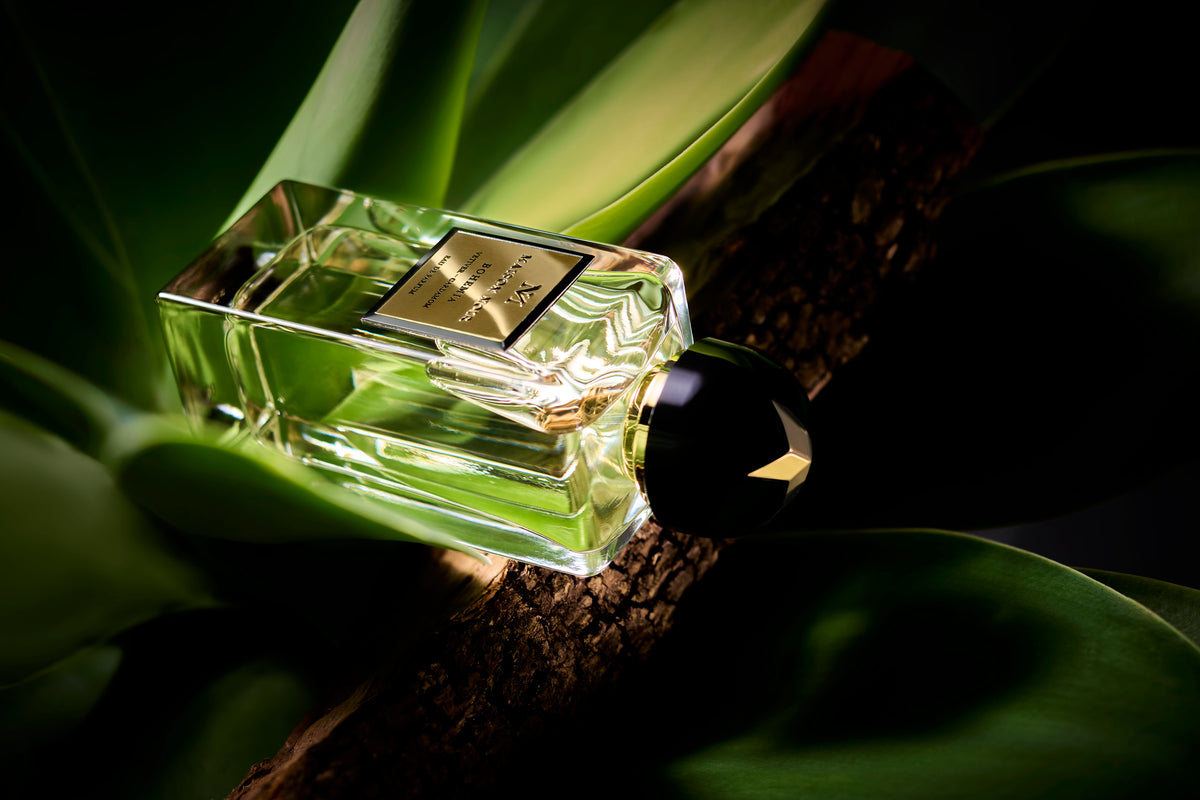
A leather fragrance is a scent built around an accord that evokes the smell of tanned, worked, or raw hide, constructed almost entirely from synthetic...
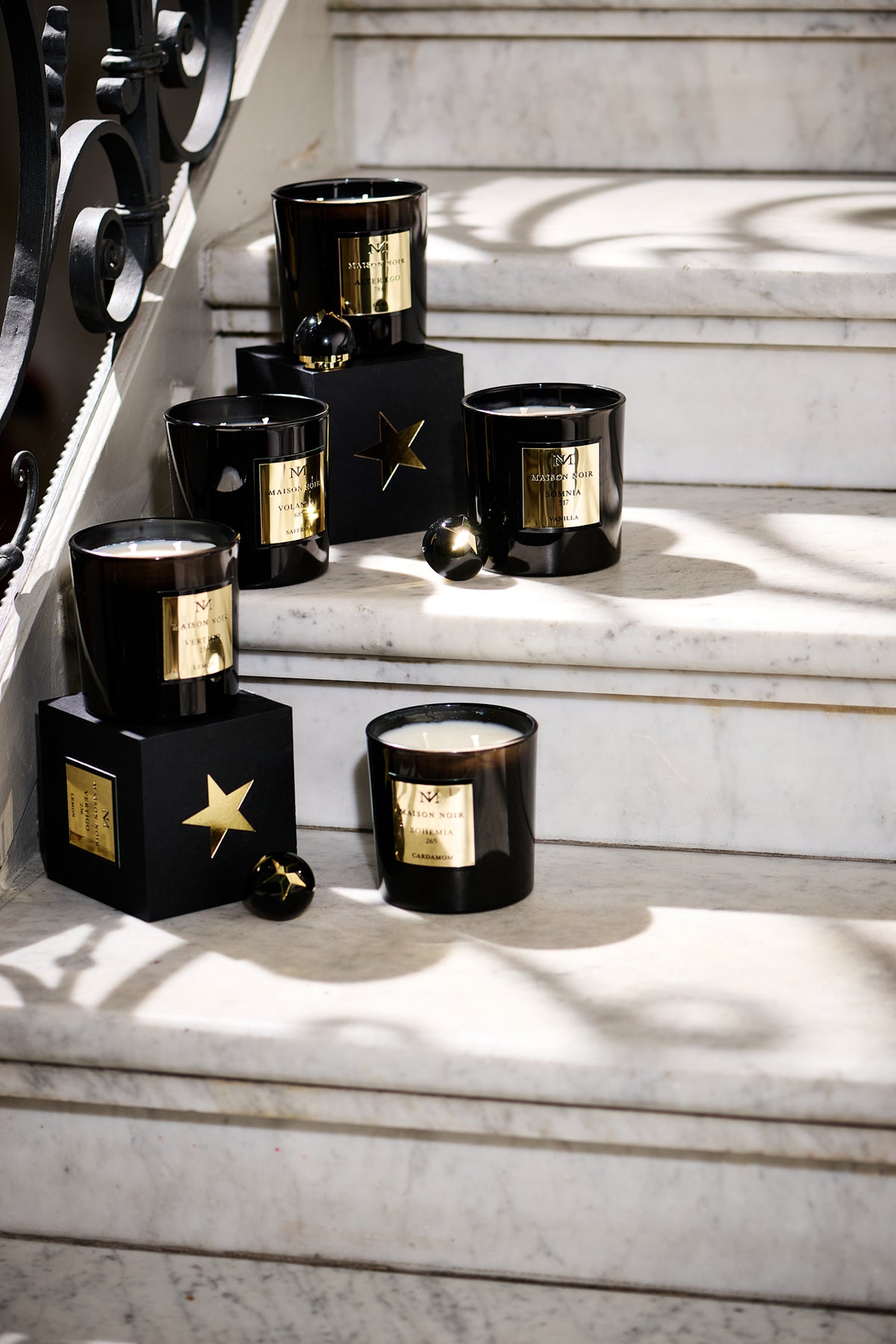
A niche fragrance comes from an independent house that prioritises creative expression and selective distribution over mass-market volume.

Eau de parfum typically contains 15 to 20 percent aromatic concentrate dissolved in alcohol.

A perfumer is a trained creative professional who formulates fragrances from raw aromatic materials, working at the intersection of chemistry, sensory...
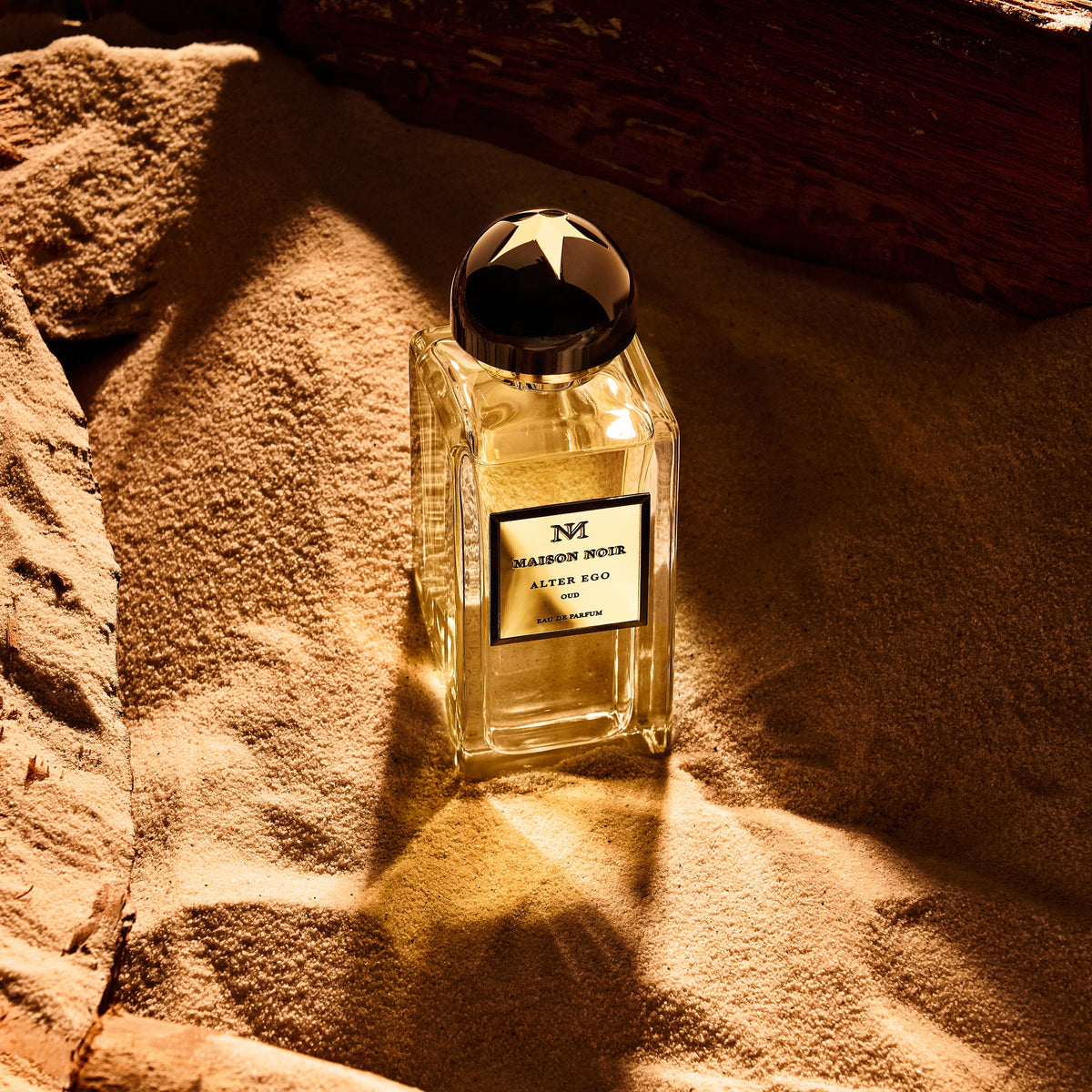
The study of fragrance spans three distinct disciplines: perfumery, olfaction, and fragrance chemistry. Learn what each means, how they differ, and how to begin.