
Leather in Perfumery: How a Synthetic Accord Became One of Fine Fragrance's Most Expressive Notes
Leather in Perfumery: How a Synthetic Accord Became One of Fine Fragrance's Most Expressive Notes
Leather Fragrance: What It Is and Why It Matters
A leather fragrance is a scent built around an accord that evokes the smell of tanned, worked, or raw hide, constructed almost entirely from synthetic materials. There is no leather in it. And that absence is precisely the point.
Leather is one of the most characterful families in fine perfumery. Depending on how a perfumer builds it, it reads as smoky and rugged, as powdery and intimate, or as dark and animalic. It is instructive for anyone new to fragrance because it demonstrates something fundamental: the most convincing scents are often made, not extracted.
No molecule is pressed from cowhide or suede. The accord is an act of interpretation, using materials such as birch tar, isobutyl quinoline, and synthetic castoreum substitutes to suggest leather without touching it. That synthetic nature is not a compromise. In many cases, it is what allows the note to achieve a precision and longevity that natural materials cannot match.
What follows covers the origins of leather in fine fragrance, the chemistry behind the accord, the three distinct sub-types you are likely to encounter, and how to choose among them. Whether you are building a knowledge of fragrance families or trying to find a leather scent that genuinely suits your skin and style, this framework is designed to stay useful regardless of which house or bottle you eventually reach for.
---
What Causes That Distinctive New-Leather Smell
The smell of new leather comes primarily from the chemicals produced during tanning. When animal hides are treated with tannins, aldehydes, and other curing agents, the process generates a family of volatile compounds, including certain phenols and aliphatic aldehydes. Together, these register as that crisp, slightly smoky, distinctly material scent. "Leather" sits across several perceptual categories at once: it is partly smoky, partly animalic, partly woody.
This distinction matters. Automotive leather sprays, leather conditioning products, and fragrance oils sold for soap-making or candle production are entirely separate categories. Those products are functional or craft materials designed to scent a surface or a wax. This article concerns itself exclusively with fine fragrance: eau de parfum, extrait, and their concentration relatives, worn on skin. If you are researching fragrance oils for a home craft project, the note framework discussed here does not transfer directly.
The confusion is understandable. A search for "leather fragrance" returns everything from car air fresheners to perfume concentrates, and the vocabulary overlaps. In fine fragrance, the leather note is not about recreating the smell of a specific product. It is about evoking a mood, a texture, a material memory, using carefully assembled aroma chemicals.
One further point: the smell of new leather in a car or handbag and the leather accord in a fine parfum are conceptually related but technically distinct. The first is accidental chemistry. The second is deliberate art.
---
Why Leather Fragrance Is Almost Always Synthetic, and Why That Matters
Leather is synthetic in fine fragrance because there is no economical or stable way to extract a usable perfumery material directly from hide. Perfumers instead reconstruct the character of leather through aroma chemistry, and this is where birch tar, isobutyl quinoline, and related compounds enter.
Birch tar is produced by the dry distillation of birch bark. Its smoky, tarry, slightly medicinal character has been used in Russian leather-making for centuries as a preservative and conditioning agent. In birch tar perfumery, the material is used sparingly because it is powerful. Handled with restraint, it lends a leather accord its dry, smoky backbone: the note you associate with aged book spines or a worn riding jacket.
Isobutyl quinoline, sometimes called the "suede molecule," contributes the softer, more powdery dimension of leather. It is less overtly smoky than birch tar and more linear on skin, which makes it the material of choice when a perfumer wants leather to read as intimate rather than rugged.
Castoreum, a natural material derived from beaver gland secretions, was historically significant in animalic leather constructions. Its use in fine fragrance has declined substantially for both ethical and regulatory reasons. Modern leather accord compositions typically use synthetic substitutes that isolate the relevant facets without the animal-derived source.
The significance of synthetics here is not merely practical. The development of Chanel's Cuir de Russie in 1924 demonstrated that a constructed accord could surpass any natural approximation in sophistication and control. A well-constructed fragrance separates itself from a simple blend through intention and structure. Synthetics allow a perfumer to isolate a character, adjust its intensity, and predict how it will behave at every stage of dry-down in ways that natural extracts cannot guarantee.
---
Smoky, Suede, Animalic: The Three Main Expressions of Leather in Perfumery
Not all leather fragrances smell alike. The family divides into three recognisable expressions, each built on different materials and suited to different occasions and preferences. Understanding which sub-type appeals to you is more useful than searching by brand name alone.
| Expression | Key Materials | Character on Skin | Suits These Occasions |
|---|---|---|---|
| Smoky | Birch tar, phenols, vetiver | Dry, tarry, austere, campfire-edged | Evening, autumn and winter, formal or creative environments |
| Suede | Isobutyl quinoline, iris, musks | Soft, powdery, skin-close, warm | Day wear, transitional seasons, office, intimate settings |
| Animalic | Castoreum substitutes, labdanum, civet replacements | Deep, carnal, complex, slightly raw | Evening, cold weather, confident occasion dressing |
---

Volantis 685
Experience smoky and spicy leather expressions in this woody fragrance.
$125.00 - $195.00
Shop Now →A Brief History: How Leather Became a Fine-Fragrance Staple
Leather entered fine fragrance through utility before it entered through art. The Córdoba tradition in Moorish Spain, in which perfumed gloves and leather goods were scented to mask the smell of tanning, is one of the earliest documented intersections of leather-working and perfumery in Europe. The craft spread through Spain and France across several centuries, creating an audience familiar with the association between sophisticated scent and worked hide.
The formal arrival of leather as a fine-fragrance note came with Cuir de Russie, a style of leather accord developed in Russia using birch tar-treated hides. Chanel released their celebrated interpretation of this tradition in 1924, and it remains a reference point for anyone studying how niche fragrances handle the note with genuine complexity. The composition demonstrated that leather could anchor a parfum without dominating it, sitting beneath flowers and aldehydes as a structural element rather than a novelty.
The mid-twentieth century produced a period that fragrance historians sometimes describe as "brutal leather": heavy, uncompromising constructions in which the leather accord was often the central statement. These were largely masculine-coded in their marketing, though the compositions themselves were rarely as gender-specific as their advertising implied.
The niche revival that began in the 1990s onward reopened leather to experimentation. Freed from mass-market expectations, niche fragrance houses began treating the note with the same latitude they applied to oud, tobacco, and iris. They used it in softer concentrations, in unexpected pairings with fruity or green materials, and in parfum concentrations where concentration changes what a note delivers on skin.
---
Why Leather Fragrance Remains So Appealing to Wearers
Leather appeals because it carries the credibility of a material with a long human history, translated into a form you can wear. It suggests craftsmanship, age, and physicality in a way that floral or citrus notes rarely do. Structurally, it is also one of the most reliable base-note anchors in perfumery.
From a sensory perspective, leather sits at a productive intersection of the familiar and the refined. Most people have handled leather in some form, so the note lands with immediate recognition. What a well-made leather accord adds is the element that daily life does not provide: intention, control, and complexity. The smoky facets suggest fire and working materials. The suede facets suggest skin and warmth. The animalic facets suggest something more visceral.
Structurally, leather performs a specific function in a composition. It slows the dry-down, adds depth without necessarily adding sweetness, and gives a fragrance a sense of materiality that abstract musks or woody bases sometimes lack. For wearers who find lighter, more linear fragrances disappear too quickly or read as anonymous, a leather accord provides a foundation that persists and evolves.
It is also worth noting that leather is one of the least gendered notes in fine perfumery, despite decades of marketing that positioned it otherwise. Its directional, uncompromising character does not belong to any particular wearer, which is part of why it shapes a fragrance's personality across the full arc of dry-down so effectively.
---
Which Seasons and Occasions Suit a Leather Fragrance
Leather is primarily an autumn and winter note, but that is not an absolute rule. Sub-type and concentration determine suitability far more than the note itself.
Smoky leather in a high concentration is demanding in heat. The phenolic, tarry character intensifies on warm skin and can read as heavy rather than complex. In summer, this sub-type is best avoided unless you are spending time in air-conditioned environments.
Suede leather is the most seasonally flexible. In a lighter concentration, applied with restraint, it transitions comfortably into the warmer months. Its powdery, skin-close character does not project aggressively in heat and suits day wear particularly well in transitional seasons. If you are curious about leather in summer and want a point of entry, suede is the place to begin.
Animalic leather follows the same logic as smoky: it rewards cool air and evening occasions. In cold months, the depth it adds is precisely the point. For autumn and winter fragrances, animalic leather accords often appear in combination with oud, resins, and spices, structures that need low temperatures and unhurried time on skin to fully open.
For occasion guidance: smoky leather suits formal evenings, creative or academic environments, and any context where an austere, confident presence is appropriate. Suede leather suits offices, daytime social settings, and intimate occasions. Animalic leather is best reserved for evenings and confident occasion dressing where complexity is a virtue rather than an intrusion.
---
How to Choose a Leather Fragrance That Suits You
The most useful thing you can do before buying is identify which of the three sub-types you are drawn to, then sample within that category. No amount of reading replaces time on skin.
A note on common confusion: searching for a "leather fragrance" may surface fragrance cases made of leather, leather-scented automotive products, or brand-specific results from mass-market houses. This guide does not cover those, since accurate current product information for them is not available here. What it offers instead is the sub-type framework, which transfers to any house. When you read a note list and see birch tar, vetiver, and phenols, you are in smoky territory. Isobutyl quinoline, iris, and soft musks point toward suede. Labdanum, civet replacements, and castoreum substitutes signal the animalic family. That framework applies regardless of who made the bottle.
For gift buyers: the sample-first approach solves the personalisation problem more reliably than any other method. A set of samples covering all three leather sub-types gives the recipient the experience of choosing, which is itself the more considered gift. If delivery timelines are a concern, samples are lighter, faster to ship, and easier to manage than full bottles. Getting the most from fragrance samples before you commit is a practice worth developing before any significant purchase.
If you are working toward a signature scent rather than exploring the category broadly, start with suede leather. It is forgiving, adaptable, and legible without being obvious. From there, you can move toward smokier or more animalic territory with a clearer sense of how much complexity suits you.
---

Quandoley 805
A bold ambery-spicy leather choice for discerning fragrance enthusiasts.
$125.00 - $195.00
Shop Now →Frequently Asked Questions About Leather Fragrance
What causes the distinctive smell associated with new leather?The smell of new leather comes from volatile compounds produced during the tanning process, including certain phenols, aldehydes, and other curing-agent byproducts. In fine fragrance, these characteristics are recreated synthetically using materials such as birch tar and isobutyl quinoline. No leather-derived material is extracted directly for use in perfumery.
Why is leather scent appealing to consumers?Leather sits at the intersection of the familiar and the refined: most people recognise it immediately, but a well-constructed leather accord adds complexity and materiality that the original scent does not possess. It also functions structurally as a reliable, lasting base that gives a fragrance weight and directionality without defaulting to sweetness.
What is the source or origin of leather fragrance notes?Leather fragrance notes in fine perfumery are entirely synthetic in origin, built from materials such as birch tar, isobutyl quinoline, and synthetic castoreum substitutes. This article covers fine fragrance only. Leather fragrance oils used in soap-making, candle production, or household products are a separate category.
What types of leather fragrance expressions exist in fine perfumery?Three main expressions exist: smoky leather (dry, tarry, austere), suede leather (soft, powdery, skin-close), and animalic leather (deep, complex, slightly raw). All three fine-fragrance sub-types are constructed from synthetic aroma chemicals.
Which leather fragrances are suitable for summer wear?Suede leather in a lighter concentration is the most suitable for warm weather, as its powdery, low-projection character works well in heat. Smoky and animalic leather fragrances are more suited to cooler months or air-conditioned environments, where their heavier character can develop without becoming overwhelming.
What is birch tar and why does it appear in leather perfumes?Birch tar is a material produced by the dry distillation of birch bark, and it has been used in Russian leather-making for centuries as a preservative that leaves a distinctive smoky, slightly medicinal character on hides. In perfumery, it provides the dry, tarry backbone of smoky leather accords. It is used sparingly because even small amounts are highly impactful.
Is leather fragrance unisex?Leather is one of the least inherently gendered notes in fine perfumery. Despite historical marketing that positioned leather fragrances primarily for men, the note itself carries no gender-specific character and is composed and worn across all identities. Many contemporary niche houses build leather accords into explicitly unisex compositions.
How does leather compare to other base notes in longevity?Leather is one of the most reliable base-note anchors available. Its structure allows it to persist on skin longer than many florals or lighter woody notes. This longevity is one reason it remains a favourite for compositions designed to evolve and deepen over several hours of wear.
---
The Case for Wearing Leather: A Note Worth Understanding
Leather repays attention. The more you understand how the accord is built, what materials underpin each sub-type, and how concentration and season shape its character on skin, the more deliberately you can choose among the considerable range of leather fragrances available.
Three ideas run through this article and are worth holding onto. First: leather in fine fragrance is almost entirely synthetic, and that is a strength, not a limitation. Second: the family divides into three meaningfully different expressions, and identifying which sub-type you prefer is a more reliable guide than any brand recommendation. Third: sampling before committing is the most honest advice available, particularly for a note this dependent on individual skin chemistry and context.
Understanding why niche fragrance approaches a note like leather differently from mass-market production helps explain why the most interesting leather compositions tend to come from houses where the perfumer has genuine latitude. Leather rewards that latitude. Handled with craft and restraint, it becomes something that changes across a day on skin, that suits a room or a season, and that sits in the memory long after the first wearing.
If you are ready to begin that exploration with intention, the full collection offers a place to continue. For a structured, sample-first approach to finding the leather accord that suits you, explore the collection through the Discovery Set.
Read more
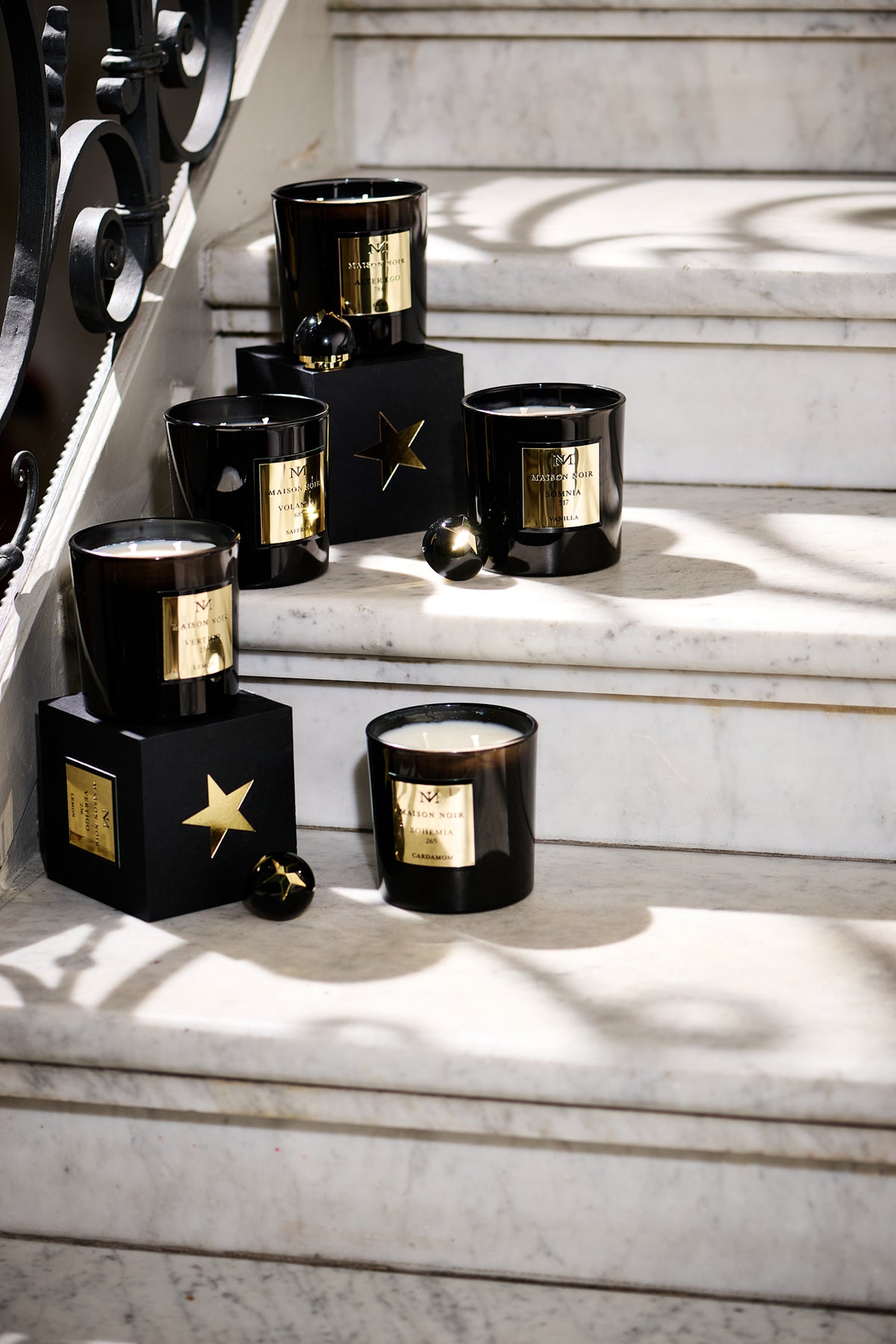
A niche fragrance comes from an independent house that prioritises creative expression and selective distribution over mass-market volume.
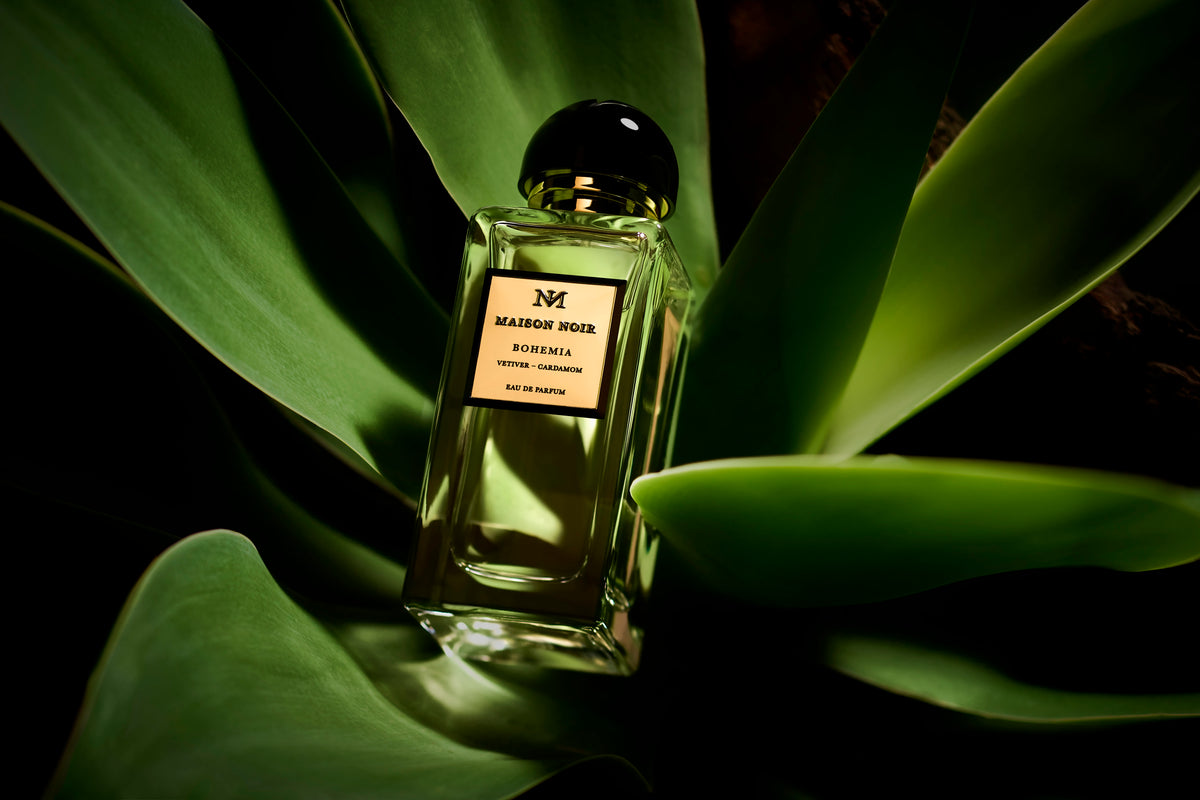
A master perfumer composes and refines fragrances through years of training and raw material mastery. Learn how they work, how to become one, and what the career looks like.