Oriental Floral Fragrances: How to Read This Rich, Layered Family
Oriental Floral Fragrances: How to Read This Rich, Layered Family
What Is an Oriental Floral Fragrance?
An oriental floral fragrance is a composition where a rich floral heart, typically roses, jasmine, or exotic blooms, is anchored by warm base notes of resin, amber, vanilla, or oud, creating a layered, long-lasting scent that reads as both opulent and deeply sensory.
This is one of the most nuanced fragrance families, and also one of the most misunderstood. The term "oriental" carries decades of marketing baggage, and you will increasingly see "amber floral" used as a more neutral equivalent. The mechanics, however, remain the same: flowers on top of warmth. The floral notes provide brightness and personality; the oriental base provides depth, longevity, and presence.
If you are new to structured fragrance thinking, the fragrance education guide is a grounding place to begin. For those already familiar with how families work, what follows is a close reading of what makes this particular family so specific, layered, and rewarding to understand before you buy.
---
What Defines the Oriental Floral Family
The oriental floral family sits at the intersection of two distinct olfactive territories: the floral and the oriental. Oriental florals are defined by a floral heart, usually warm or heady in character, suspended over a base of resinous, spiced, or sweet materials such as amber, benzoin, sandalwood, musk, or vanilla.
The key term here is "heart." In fragrance construction, the heart is the layer of notes that emerges after the volatile top notes fade, typically within the first fifteen to thirty minutes. In an oriental floral, the heart is where you meet the flower. The base, emerging later and lasting longest, is where the oriental character lives.
This structure matters because it determines how a fragrance evolves on skin. You might encounter a composition that opens bright and citrus-led, blooms into jasmine or rose through the heart, and then settles into a resinous amber warmth for hours afterward. That full arc is the signature of this family.
An "accord" in this context means a blended cluster of materials that reads as a single idea: an amber accord, for instance, is rarely one ingredient but a constructed warmth built from labdanum, benzoin, and often a touch of vanilla. Oriental florals are built from multiple accords working in layers.
The "amber floral" label is gaining traction in modern perfumery as a more culturally neutral descriptor for the same family. You may encounter either term depending on where you shop.
For a broader understanding of what separates fine fragrance construction from mass-market formulation, see what makes a fine fragrance.
---
Oriental Floral Versus Related Fragrance Families
The oriental floral family is not the only one that uses flowers or warmth. Knowing how it differs from adjacent families helps you shop with precision rather than guesswork.
| Family | Dominant Character | Typical Notes | Overall Effect | Best Season |
|---|---|---|---|---|
| Oriental Floral | Warm, opulent, layered | Rose, jasmine, amber, resin, vanilla, musk | Rich and sensory, with floral brightness over deep warmth | Autumn, winter, cool evenings |
| Pure Floral | Fresh, single-note or bouquet | Rose, peony, lily, freesia, muguet | Clean, lighter, more transparent | Spring, summer |
| Pure Oriental | Resinous, spiced, dry | Oud, incense, sandalwood, labdanum, benzoin | Heavy and abstract, minimal flower presence | Winter, evening |
| Floral Fruity Gourmand | Sweet, playful, edible | Berry, peach, jasmine, caramel, vanilla | Accessible and youthful in character | Spring, summer |
| Aromatic Fougere | Herbal, fresh, structured | Lavender, oakmoss, bergamot, coumarin, woods | Clean and structured, traditionally masculine in register | Year-round, daytime |
The aromatic fougere is worth a separate note because it occasionally overlaps with oriental floral in modern reformulations. Classic fougeres are lavender-led, dry, and herbaceous, quite different in effect. However, contemporary compositions sometimes introduce warm musks or light amber to a fougere structure, pulling it toward oriental territory. If a fragrance is listed as both aromatic and warm, read the base notes carefully before deciding which family it more closely belongs to.
The floral fruity gourmand is the lighter sibling of oriental floral. Both use florals and sweet materials, but the gourmand leans into fruit and edible sweetness rather than resin and incense. The result is a more transparent, playful scent with far less projection and depth. Where an oriental floral feels considered and evening-appropriate, a floral fruity gourmand tends toward daytime and casual wear.
These distinctions matter because why unisex fragrance has reshaped these categories is directly relevant here. The boundaries between families have blurred significantly as unisex composition has become the norm in fine perfumery.
---
How to Read an Oriental Floral Fragrance Pyramid
Reading a fragrance pyramid tells you how a composition is designed to unfold over time, and for oriental florals, the base is the most important tier to study before buying.
A fragrance pyramid has three layers. Top notes are volatile and evaporate within minutes. They set the first impression but are not what you are really buying. Heart notes emerge next, often after ten to twenty minutes, and form the true character of the scent. Base notes appear last and persist for hours, anchoring everything above them.
For oriental florals specifically, the base deserves the most attention. This is where the oriental character lives: resins, musks, vanillic materials, woods. If you are sensitive to heavy sweetness or thick, smoky notes, the base of an oriental floral will tell you everything you need to know about whether a particular fragrance suits you.
Consider Somnia 517, which lists edgy vanilla and cistus in its structure. Cistus, a resinous labdanum-adjacent material, contributes an amber-like warmth in the base, while the vanilla adds a creamy depth. The bergamot and plumeria operate higher in the pyramid, but the base is what defines how this fragrance wears across an entire day. Quandoley 805 places olibanum, which is another name for frankincense, at the structural core of its composition, giving it a distinctly resinous, ceremonial character at the base level that fruity or fresh fragrances simply do not have.
When you read a pyramid, do not just note which notes are present. Note which tier they occupy. A rose in the top notes will read very differently from a rose in the heart.
For practical guidance on wearing fragrance so the full pyramid can unfold on skin, see how to wear fragrance effectively. If you are still identifying which family suits you, finding your scent offers a structured approach.
---
When and Where Oriental Florals Wear Best
Oriental florals are at their best in cool air, at evening events, and in any context where you want a scent that projects with intention. They are not designed to disappear quietly.
Autumn and winter are the natural season for this family. Cooler temperatures slow the evaporation of aromatic materials, allowing warm, resinous bases to unfold gradually and project steadily. In that environment, an oriental floral has time to develop its full arc on skin.
In summer heat, the same composition can become overwhelming. Warm air accelerates evaporation, which means the projection of heavy resins and musks increases rapidly. This is not a reason to avoid oriental florals in warmer months entirely, but it is an honest trade-off worth acknowledging. If you do wear them in summer, apply lightly and favour pulse points where projection is controlled.
Occasion matters as much as season. Oriental florals suit evening events, dinners, gallery openings, or any occasion where you expect to be physically close to other people and want the scent to create an impression. They are less suited to professional daytime settings where a strong presence might feel intrusive, or to outdoor events where projection becomes difficult to manage.
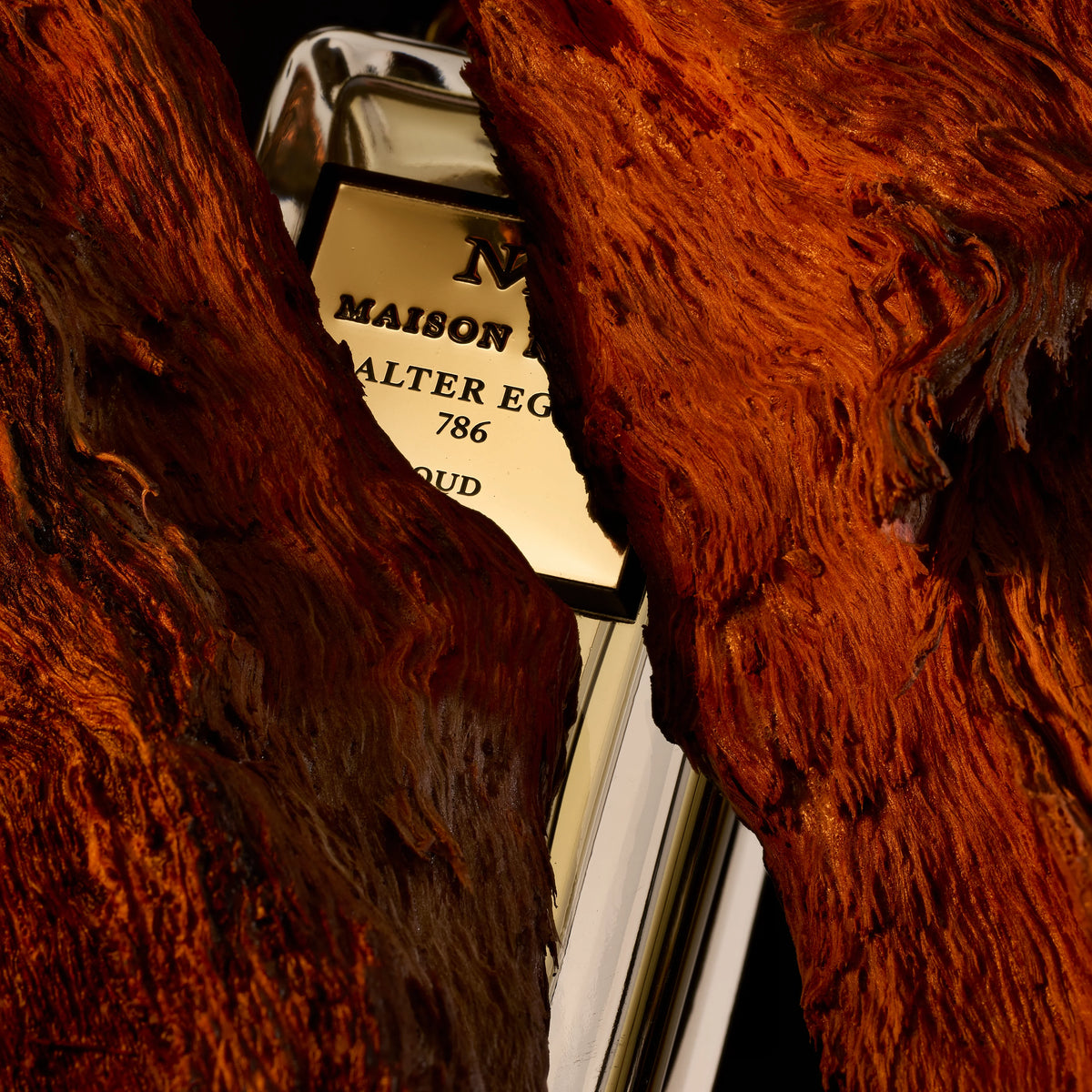
Bohemia 265 is a useful example of where a bergamot-led, woody oriental composition sits on this spectrum. Its fresh bergamot and cardamom heart gives it more versatility than denser compositions, making it serviceable in transitional seasons, early autumn evenings, or a cool summer night outdoors. Alter Ego 786, with its oud wood base and smoky top, reads more firmly in the evening and cold-weather column. Its depth and smoke require space to develop without becoming overpowering.
For a structured approach to matching fragrance to occasion and season, the occasion and season fragrance guides are a practical next step.
---
Oriental Floral Fragrance for Men: Moving Past the Gender Myth
The category label "oriental floral fragrance for men" reflects a marketing convention, not anything inherent to the chemistry or composition of these fragrances. Resins, flowers, musks, and amber have no gender.
The gendered framing of oriental florals, and of florals generally, is a retail convention that emerged in mass-market fragrance in the mid-twentieth century. In fine perfumery, and particularly in contemporary unisex houses, these conventions have been steadily abandoned. The question is not whether a fragrance is for men or for women. The question is whether a specific composition suits your skin, your preferences, and the contexts in which you intend to wear it.
Oriental floral compositions that feature oud, smoky accords, and dry resinous materials have long been worn across genders in the fragrance traditions of the Middle East and South Asia. These are not edge cases or recent innovations. They are older than the marketing segmentation that claimed otherwise.
Alter Ego 786, with its oud wood foundation and smoky top accented by raspberry, is an example of a composition where the notes themselves contain no gendered direction. The oud reads dry and complex; the smoke adds depth; the raspberry lifts the opening. Any of those qualities might appeal to any wearer. Quandoley 805, with ylang-ylang, olibanum, olive bitterness, and gourmand vanilla, similarly resists a single demographic interpretation. The ylang-ylang can read as heady and rich rather than conventionally floral when it is balanced against the bitter olive and frankincense.
If you approach oriental florals through the lens of notes and wear rather than through category labels, the range of available compositions opens considerably. The future of unisex fine fragrance explores how this shift has changed the broader landscape.
---
Layering Oriental Florals: Building Depth Without Conflict
Layering with oriental florals works best when you approach the composition's own structure as a guide. The idea is to extend and support the existing architecture, not to introduce a conflicting character.
Icarus 347 offers a useful illustration of how a single composition already contains layering logic within itself. Its verified notes, tonka beans and ambroxan in the base, with forbidden fruit and patchouli forming the heart, demonstrate how brightness and depth can coexist in one bottle without competing. The patchouli brings an earthy, slightly resinous quality; the ambroxan contributes a warm, skin-like softness; the fruit introduces contrast. When you layer an external fragrance over or under Icarus 347, you are adding a fourth layer to something already deliberately constructed.
Three practical strategies for layering with oriental florals:
- Layer a fresh or citrus scent underneath. Apply something bergamot-led or light to clean skin first, allow it to settle for a few minutes, and then apply the oriental floral over it. The citrus will soften the initial projection of the richer scent and give the composition a brighter opening before the base takes hold.
- Use a complementary single-material spray. A light sandalwood or clean musk applied to clothing or hair, not skin, can extend the dry-down of an oriental floral without competing with its heart notes.
- Avoid layering two heavy oriental compositions simultaneously. The base notes, both dense with resin and musk, will not separate on skin. The result tends to be a single undifferentiated heaviness rather than two distinct characters in dialogue.
For a detailed guide to application technique and layering method, see how to layer and apply fragrance.
---
How to Choose an Oriental Floral Fragrance
Choosing an oriental floral fragrance well requires more than reading a note list. It requires understanding how the composition will behave on your skin, in your climate, and in your typical occasions for wear.
A four-step framework:
Step 1: Identify your base note tolerance. Scan the pyramid for base materials: vanilla, oud, amber, labdanum, incense, benzoin. If you know you find heavy sweetness cloying or smoke overwhelming, narrow toward compositions where the base is built on cleaner woods or lighter musks. Step 2: Map your typical wearing occasions. Evening-heavy wardrobes suit deeper, denser oriental florals. If you primarily wear fragrance in professional or daytime contexts, look for compositions where the floral heart is more prominent and the oriental base is lighter. Step 3: Consider concentration. An Eau de Parfum will project more assertively and the base notes will emerge more fully than in a lighter formulation. An Extrait or parfum concentration deepens the oriental character further, extending the base note phase significantly and softening the top notes. Know which arc you prefer before you commit to a concentration. Step 4: Sample before committing. Oriental florals wear very differently in the opening than in the dry-down. A paper strip will not tell you what a fragrance does over six or eight hours on your skin. The Maison Noir Discovery Set is designed precisely for this: sampling the full range in wearable quantities before selecting a full bottle.For more structured guidance on identifying your preferences, see a guide to finding your scent.
---
Frequently Asked Questions About Oriental Floral Fragrances
The questions below cover the search intent most commonly associated with this family. Answers use hedged language where exact data is unavailable, and no performance claims are fabricated.
What is the difference between an oriental floral and a regular floral fragrance?
A regular floral fragrance places flowers at the centre of the composition, with minimal warmth or resin underneath. An oriental floral uses the same floral heart but anchors it over a base of amber, resin, vanilla, or musk, creating a richer, warmer, and longer-lasting overall effect. The flower is present in both, but the context in which it lives is fundamentally different.
What makes a fragrance "oriental"?
The oriental character in a fragrance comes from its base: resinous materials like labdanum, benzoin, and oud; sweet materials like vanilla and tonka bean; spiced elements like cardamom or clove; and warm musks. These notes create depth, projection, and longevity. They are the foundation on which other character notes sit, and they are what defines how a composition lingers on skin. For deeper context, the broader fragrance education section is a useful resource.
Are oriental floral fragrances suitable for men?
Oriental floral fragrances are suitable for any wearer. The gendered framing is a marketing convention, not a property of the materials. Oud, resin, amber, and floral notes have been worn across genders in many fragrance traditions for centuries. The relevant questions are whether the specific notes appeal to you and whether the occasion suits the projection level of the composition.
What season is best for oriental floral fragrances?
Autumn and winter are generally where oriental florals perform best. Cool air allows the warm base notes to diffuse gradually, which is the most flattering way for resinous and vanillic materials to develop. In summer, the same compositions can project more aggressively than intended. That said, lighter oriental florals with prominent citrus or wood elements can work in transitional seasons.
What notes are typical in floral fruity gourmand fragrances?
Floral fruity gourmand fragrances typically feature stone fruits or berries in the top notes (peach, raspberry, blackcurrant), a soft floral heart (jasmine, rose, peony), and a sweet, edible base of caramel, vanilla, or praline. They share the sweet base with oriental florals but tend to be lighter, more transparent, and less resinous overall. You can read more about how these categories relate in the cultural history of scent.
How long do oriental floral fragrances typically last on skin?
Oriental florals tend to be among the longer-lasting fragrance families, primarily because their resinous and musky base notes cling to skin warmth effectively. Longevity varies depending on concentration, skin type, and the specific materials used, so exact durations differ meaningfully from one composition to the next. Drier skin types typically find that any fragrance, including oriental florals, fades more quickly and may benefit from unscented moisturiser applied to skin before spraying.
---
The Gateway Into Oriental Florals
Oriental floral fragrance rewards those who read it carefully. Knowing the family means you can distinguish it from adjacent categories, decode a pyramid before you buy, and match a composition to the occasion and season where it will genuinely perform.
Three things to carry from this article. First, the base notes define the oriental character, and the base is what you commit to when you choose a fragrance in this family. Second, the gendered labels attached to oriental florals are convention, not composition. The notes themselves have no inherent gender, and the finest compositions in this family are worn by anyone whose skin chemistry suits them. Third, sampling is not optional with this family. An oriental floral on paper is not the same fragrance as one that has spent a full day developing on skin.
For help planning which fragrance suits which moment in your life, the occasion and season fragrance planning guide offers a practical framework. If you are still identifying your preferences within the family, finding your scent is where to begin.
The clearest starting point is to wear the compositions themselves. The Maison Noir Discovery Set makes that possible before you commit to a full bottle. Each fragrance in the collection opens a different door. This family is among the most rewarding to walk through.