
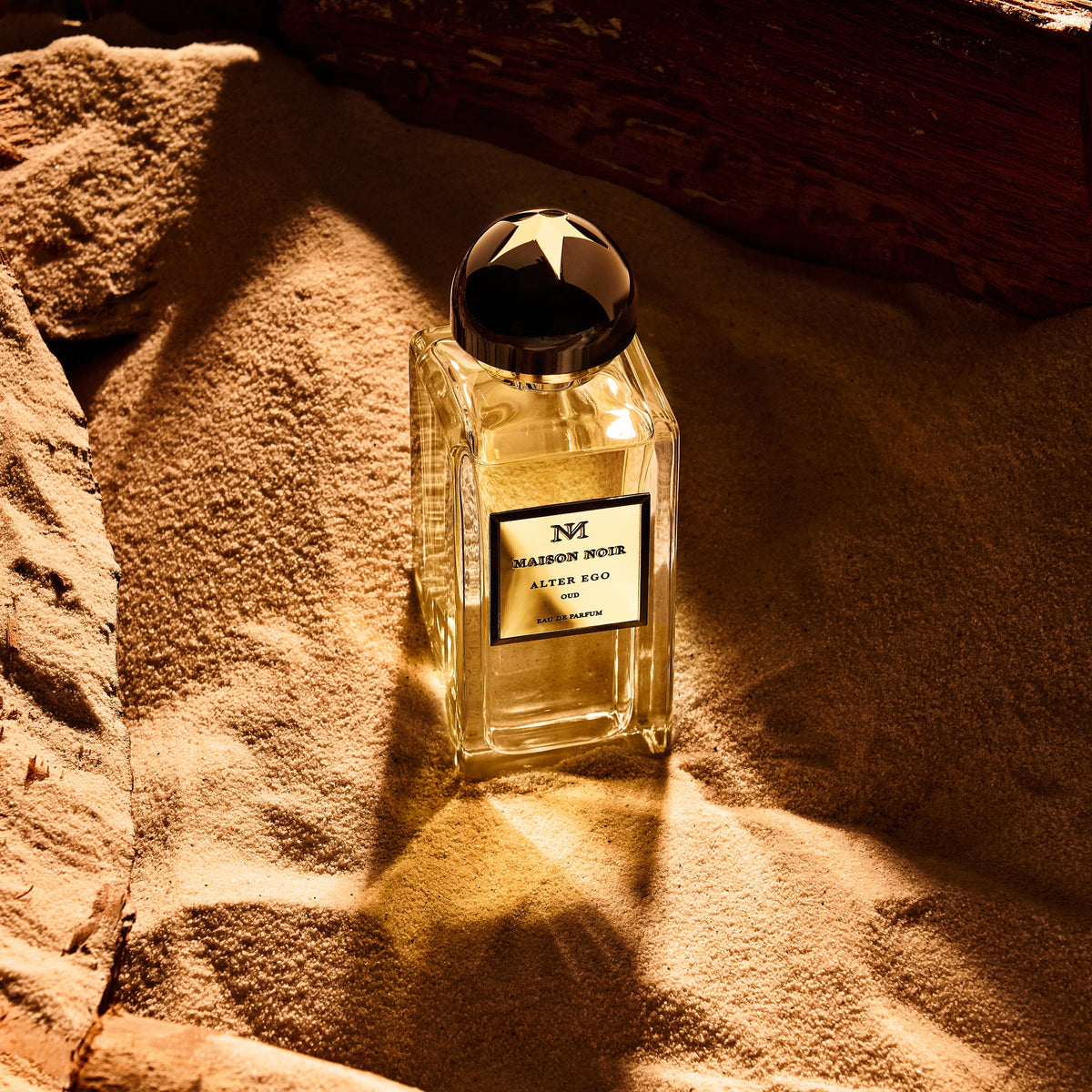
The study of fragrance spans three distinct disciplines: perfumery, olfaction, and fragrance chemistry. Learn what each means, how they differ, and how to begin.

Olfactory adaptation is the process by which your nose stops registering a constant stimulus, including the scent you are wearing, usually within thirty...
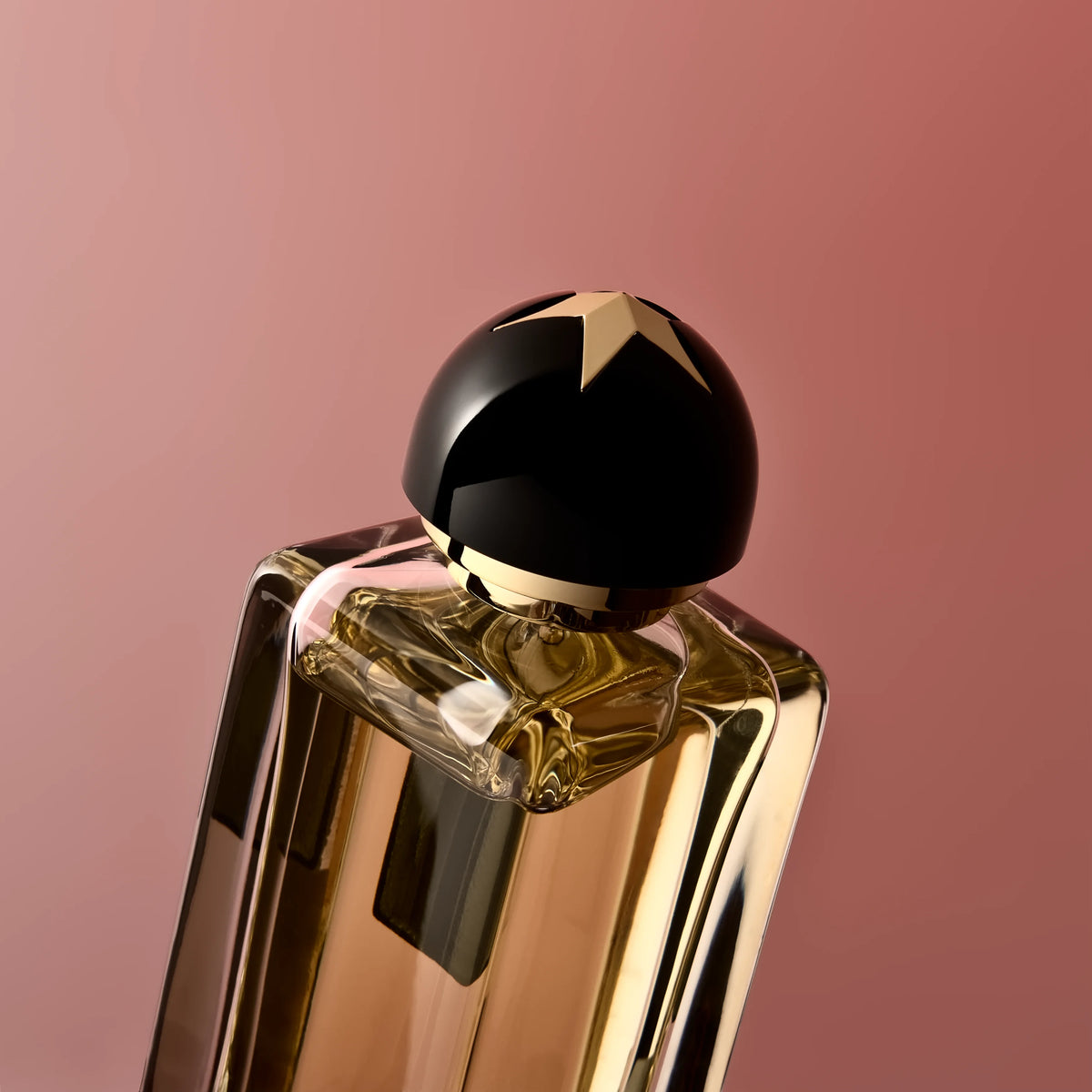
Rubbing cologne into your wrists destroys top notes and shortens wear. Learn the correct spray technique, how many sprays to use, and how to make cologne last longer.

A cologne sample is a small, trial-sized quantity of a fragrance, typically 1–2 ml, intended for on-skin evaluation before purchasing a full bottle.

Discover what the 7 basic smells are, how Amoore's theory explains olfactory classification, and what this science means for choosing and understanding fragrance.

Perfume for women is any fragrance marketed toward a female audience, though that label describes a sales category rather than a composition standard.
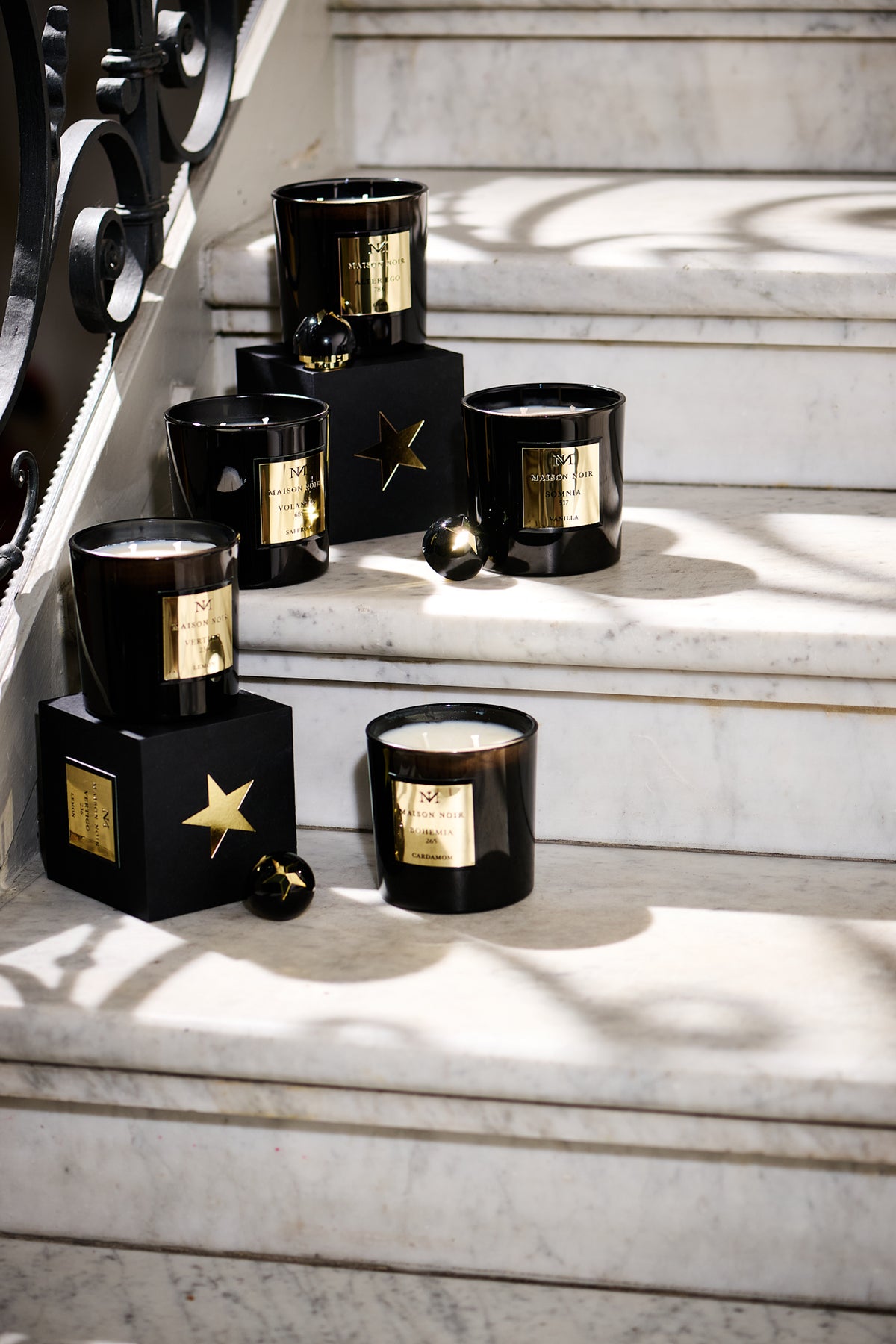
Niche fragrances live by a different standard than the mainstream. They're composed by independent houses with master perfumers, built around creative...

Unisex, men's, women's: the categories are marketing, not science. Learn what actually separates fragrances and how to choose without the label.
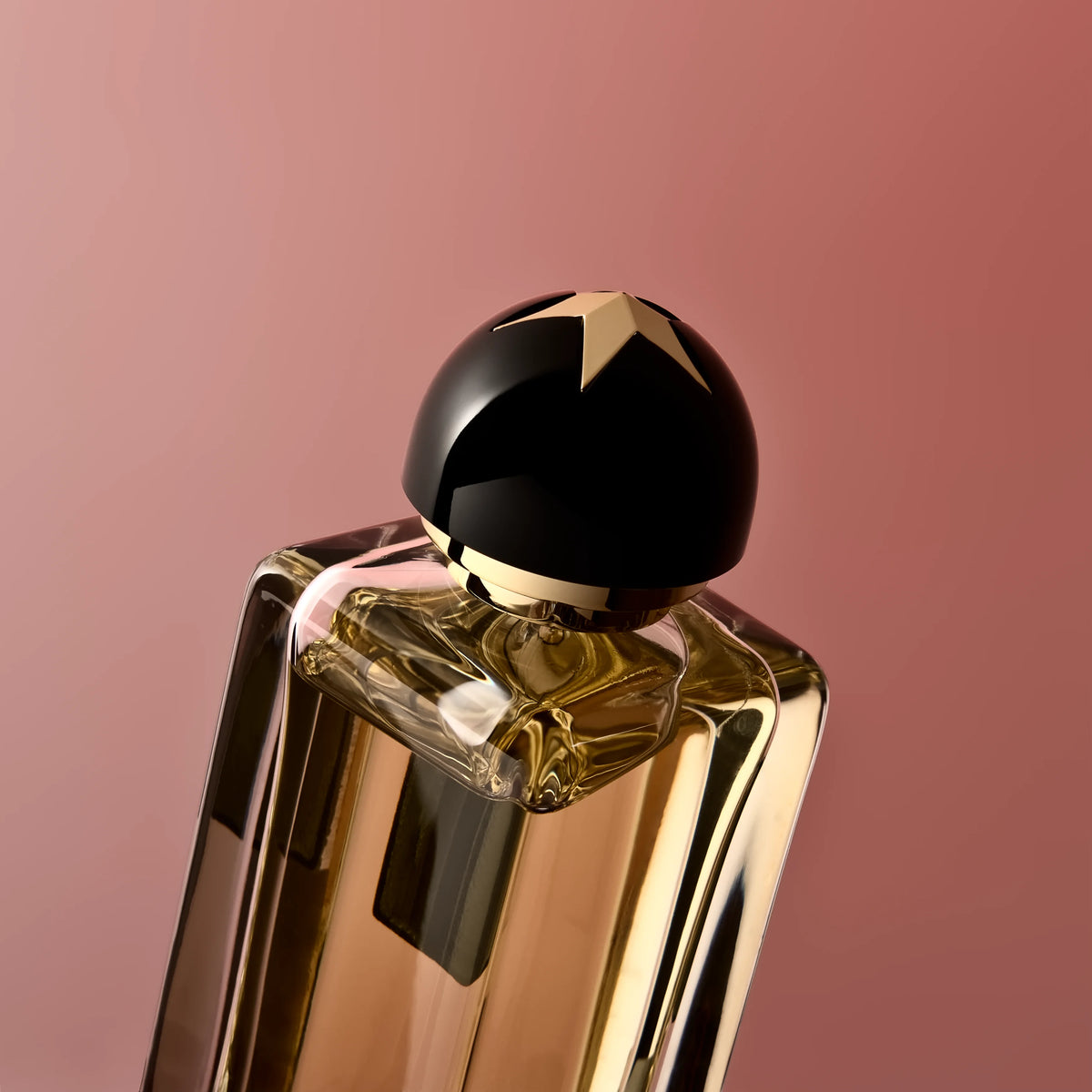
Discover why the most long-lasting perfumes for women and men go beyond concentration. Learn how base notes, skin chemistry, and application technique determine wear time.